
Why AI-Driven Leadership Matters Now
In 2026, artificial intelligence (AI) is changing everything, from how businesses work to how leaders make decisions. It’s not enough to just know about AI anymore. Today, leaders must actively use AI to guide their companies forward. This is what we mean by an "ai driven leader."
An ai driven leader is someone who blends smart human judgment with the powerful insights that AI tools offer. They understand that the future of AI isn’t just about using new software. It’s about thinking differently and making choices that keep their company ahead.

This kind of leadership is super important because AI is evolving so quickly. If leaders don’t master AI, their organizations risk falling behind. A framework for leading AI transformation highlights progressive leadership skills needed to navigate this changing landscape, from simply adopting AI to becoming a leader in the AI ecosystem
Being an ai driven leader matters right now for a few big reasons.
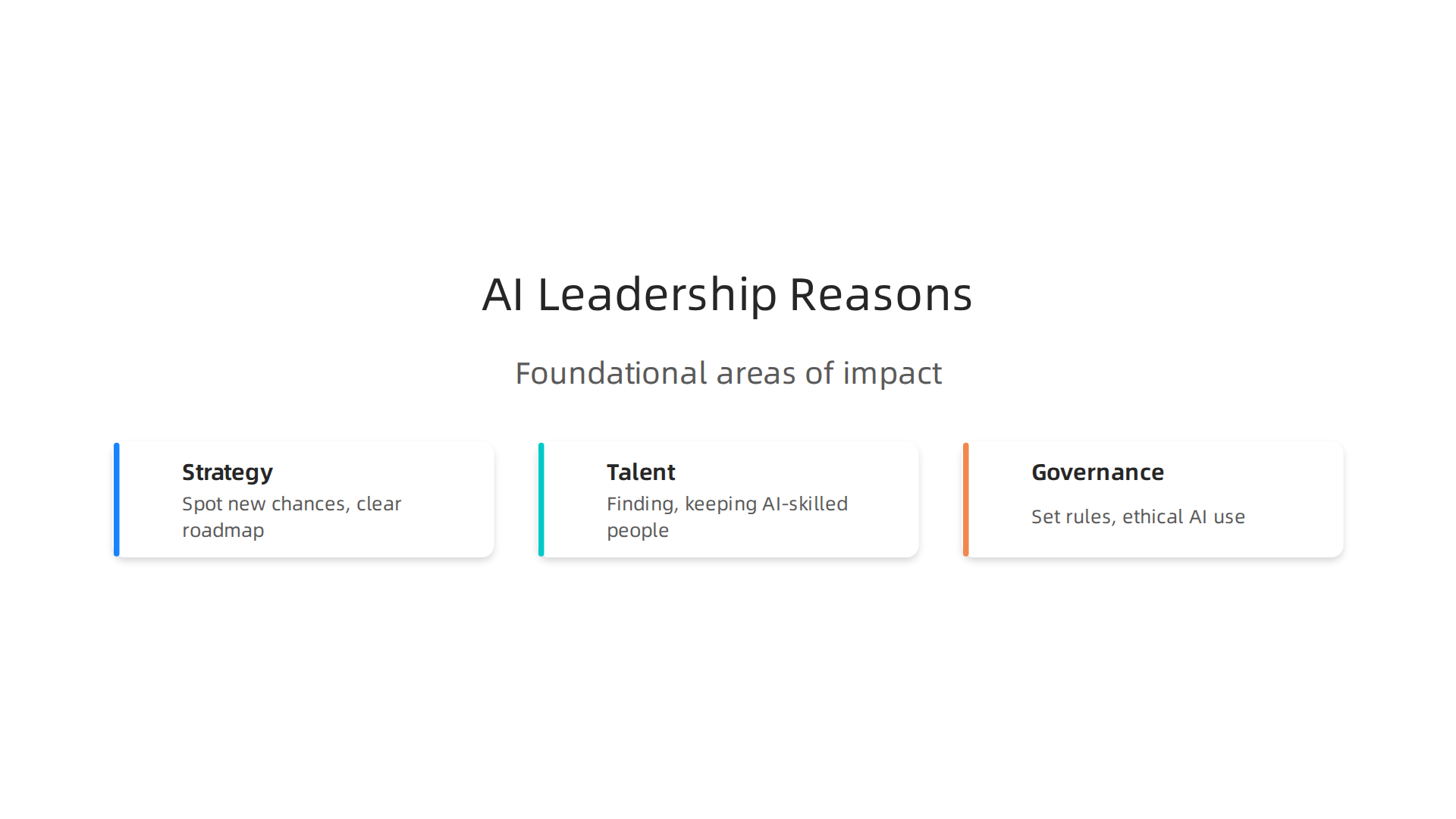
Companies are rapidly bringing AI into their everyday work. This means leaders need to make smart choices about strategy, talent, and governance.
- Strategy: How do you plan for success when technology changes every few months? An ai driven leader uses AI to spot new chances and make a clear ai roadmap for their business. They know how to pick the right AI projects that will truly help the company grow, rather than just chasing hype.
- Talent: Finding and keeping people who understand AI is a huge challenge. Leaders must know what skills their teams need and how to teach them. In 2026, top executives need skills like strategic AI judgment and value identification to really lead in this space

AI Leadership Skills Executives Should Have in 2026.
- Governance: Using AI responsibly is critical. Leaders need to set clear rules for how AI is used to make sure it’s fair, safe, and ethical. This stops problems before they start and builds trust with customers and employees.
To truly master AI and lead effectively, staying informed is key. The world of AI changes daily.
To keep up with the fast pace of AI developments and gain deep insights, consider subscribing to The AI Newsletter Worth Reading.
1) What an AI-Driven Leader Actually Is
Being an AI-driven leader means more than just knowing about AI. It’s about a deep shift in how leaders think and make choices. This kind of leader actively weaves artificial intelligence into every part of their work, from setting big goals to solving daily problems. They don’t just use AI tools; they change their whole approach to leadership around AI’s strengths.
At its core, an AI-driven leader has a special mindset. They are always curious, ready to learn, and quick to adapt as AI changes. They understand that the future of AI means constant change, so they embrace it instead of fearing it. These leaders also value data above all else. Instead of relying only on gut feelings, they look to AI for deep insights, seeing how different pieces of information fit together. The 2026 AI Leadership Framework highlights that "human-in-the-loop" decision-making is key, meaning human leaders still make the final call after AI provides analysis AI Leadership Framework: 4 Rules For 2026 [Expert Insights]. This balance of human smarts and AI power helps them build a strong AI roadmap for their companies.
When it comes to making decisions, an AI-driven leader acts like a master conductor, bringing together many different signals. They look at:
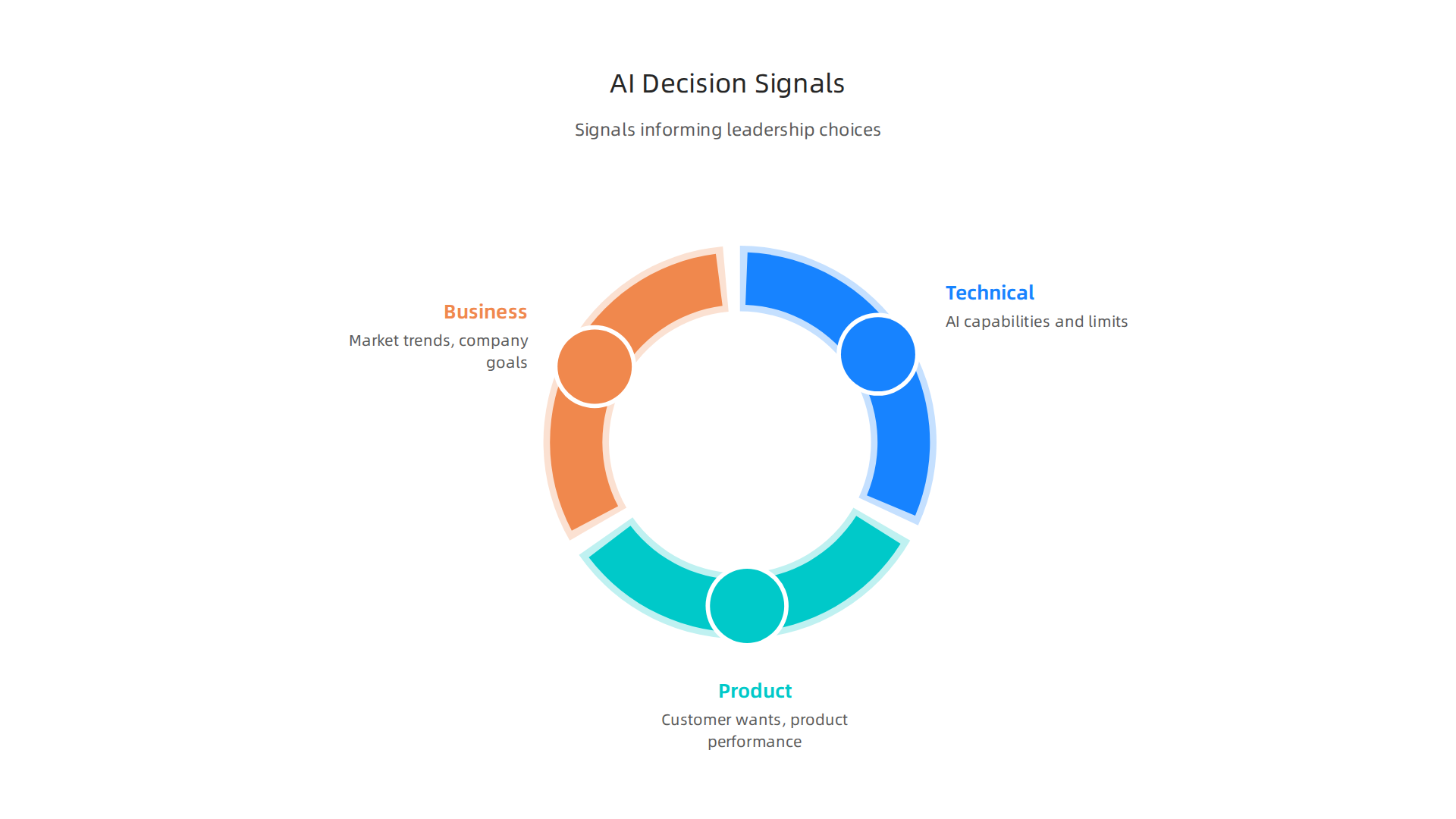
- Technical Signals: What the AI technology itself is capable of right now, and what its limits are. This means understanding the basics of how AI and machine learning work. You can explore more about these foundational concepts by reading about Artificial Intelligence and Machine Learning Fundamentals.
- Product Signals: What customers want, how products are performing, and how AI can make products better or create new ones.
- Business Signals: Overall market trends, financial health, and long-term company goals.
By mixing these signals with AI’s fast analysis, AI-driven leaders can spot new chances, avoid problems, and make choices that are truly smart for the business.

They use AI to predict what might happen next, not just react to what has already happened. In fact, by 2026, career success often depends on having many skills, including technical knowledge, data understanding, and human skills like good judgment and strategic thinking The 2026 AI Leadership Roadmap. This helps them in mastering AI for real business value.
Ultimately, an AI-driven leader empowers their team and their company to work with AI, not against it. They guide their organizations through the changes AI brings, always keeping an eye on ethical use and fair practices.
To truly lead with AI, an AI-driven leader needs certain key skills that go beyond just understanding technology. These skills help them guide their organizations effectively in 2026 and beyond.
Technical Fluency
One important skill is technical fluency. This does not mean you need to be a computer programmer or an AI engineer yourself. Instead, it means knowing enough about AI to ask the right questions and understand the answers.

You need to grasp what AI tools can and cannot do, and how they fit into your business. This helps you make smart choices and guide your team without getting bogged down in tiny technical details. Experts agree that by 2026, AI literacy is required for executive leaders to stay competitive. You can learn more about these different areas of AI by exploring Understanding AI Domains and Platforms in 2026.
Product Orientation and Data Literacy
Another key skill for a successful AI-driven leader is being product-focused and understanding data really well. You must know how to set clear goals for what your company wants to achieve with AI. This means defining measurable outcomes and making sure everyone on the team understands them. For example, if you use AI to improve customer service, you need to track how much faster customer problems are solved or how much happier customers become.
This focus helps align all teams, ensuring they work together towards the same data-driven results. It’s not just about using AI; it’s about making sure AI truly brings value and helps the business grow. In fact, turning AI power into real, measurable business results is a major goal for leaders in 2026, according to those leading the way in AI. An effective AI-driven leader focuses on clear results and practical uses for AI.
Staying updated on the latest AI advancements and how they apply to business is also key for leaders. It helps you keep your skills sharp and spot new chances.
Get clear daily AI updates from The AI Newsletter Worth Reading.
3) Organizational Structures and Culture that Support AI Leadership
But being a good AI-driven leader isn’t just about personal skills; it also means making sure the whole company is set up to use AI well. This involves thinking about how to organize AI teams and creating a culture that helps AI efforts grow.
Some companies choose to have one central team that handles all AI projects. This is like having a main office for all AI work. This "centralized" way helps keep all AI efforts the same and makes sure they follow the same rules. Other companies might spread out their AI teams. This means different departments, like marketing or sales, would have their own smaller AI teams. This is called a "federated" approach. It can help teams work faster because they are closer to the daily problems they are trying to solve with AI.
An effective AI-driven leader knows how to pick the best setup for their company’s AI roadmap. The choice depends on what the company needs and how it wants to grow with AI.
Beyond how teams are structured, the company’s culture plays a huge part in how well AI is used. An AI-driven leader needs to create a place where people are excited to learn new things and are open to using AI tools.

This often means guiding people through big changes in their daily work. Leaders must clearly show why AI is good for everyone and help their teams understand and master AI software.
For example, an AI leader is not just someone who understands technology; they also need to be good at bringing about change and helping different teams work together to get value from AI across the whole company, as noted in expert advice on AI leadership interview questions. They need to manage these changes carefully so that AI becomes a normal part of how the company works, not just a passing trend. Actually, skills like change management and helping an organization transform are very important for leaders in 2026, especially in companies that are powered by AI. Many executives need these skills to keep up with the fast changes that AI brings, according to a report on the AI skills executives need.
After getting the right team structure and a good company culture, an AI-driven leader must also think about the tools and data their company uses. This means making smart choices about technology and how data is handled. These choices are very important because they affect how fast new AI products can be made and how safe they are.
An AI-driven leader needs to make sure the company has strong foundations for its AI efforts. This includes deciding on the best type of infrastructure. For example, some companies keep their data and AI systems in their own buildings, called "on-premises" setups. Others use "cloud" services, where their data and tools are stored by other companies online. In 2026, many companies are moving some of their AI work back from public clouds to their own systems because of better performance needs, according to a survey on enterprise AI infrastructure. This decision impacts everything from cost to how easily data can be accessed and recovered, as highlighted in cloud data infrastructure statistics for 2026.
Beyond choosing where things are stored, an AI-driven leader must focus on data governance. This means setting clear rules for how data is collected, stored, and used. Getting data right is super important before even trying to make AI models better. Good governance helps reduce risks and makes sure the AI works fairly and correctly. Experts often say to "build governance in early" when setting up AI infrastructure, a key piece of advice in The State of AI Infrastructure in Startups — 2026 Insights. This focus on data is part of truly mastering AI.
Leaders also need to figure out which tools to use. They can choose from a few options:
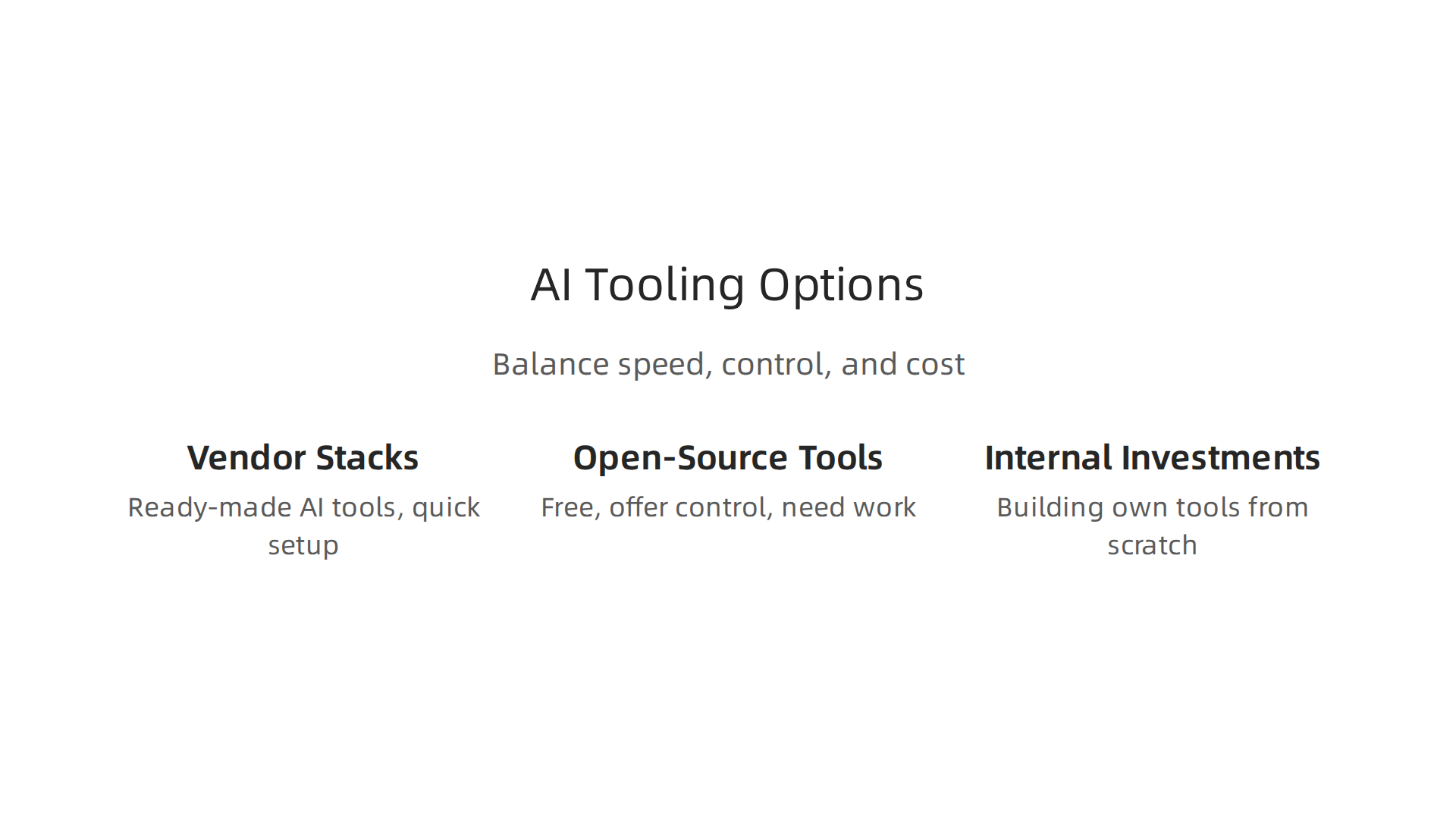
- Vendor Stacks: These are ready-made AI tools and services offered by other companies. They can be quick to set up but might not fit every unique need. Evaluating these options carefully is a must for any AI driven leader, and a helpful resource for this is a comprehensive AI Tools Guide: Evaluate, Implement, and Invest Smartly in 2026.
- Open-Source Tools: These are free tools that anyone can use and change. They offer a lot of control but might need more work from your own team to set up and maintain. Learning about these options can offer cost savings and full control for businesses, as described in an article on open source AI software.
- Internal Platform Investments: This means building your own AI tools and systems from scratch inside the company. This gives the most control and can be tailored perfectly to your needs, but it takes a lot of time and money.
The choice between buying, using free tools, or building your own affects how quickly your company can launch new AI features and how stable and safe those features will be. In fact, how well a company’s AI data setup is organized really impacts how stable and good their AI products are, according to a report on AI data infrastructure maturity and production outcomes.
An AI-driven leader must guide these decisions, always keeping the company’s future of AI in mind. They need to balance the need for speed with the need for safety and good data handling. Staying informed about these rapidly changing areas is crucial.
If you want to keep up with the latest in AI and technology, you should definitely check out The AI Newsletter Worth Reading for clear daily updates from The Deep View Newsletter.
After putting strong tools and data rules in place, an AI-driven leader must then turn their focus to the people who make it all happen: the team. Building the right team is just as important as the technology itself. This means thinking about how to hire the best talent and how to keep them growing with the company.
5) Talent, Hiring, and Organizational Design for AI Teams
Finding the right people for AI teams in 2026 is a big challenge. The job market for AI roles is very competitive. An AI-driven leader needs smart hiring plans. They look for different kinds of experts:
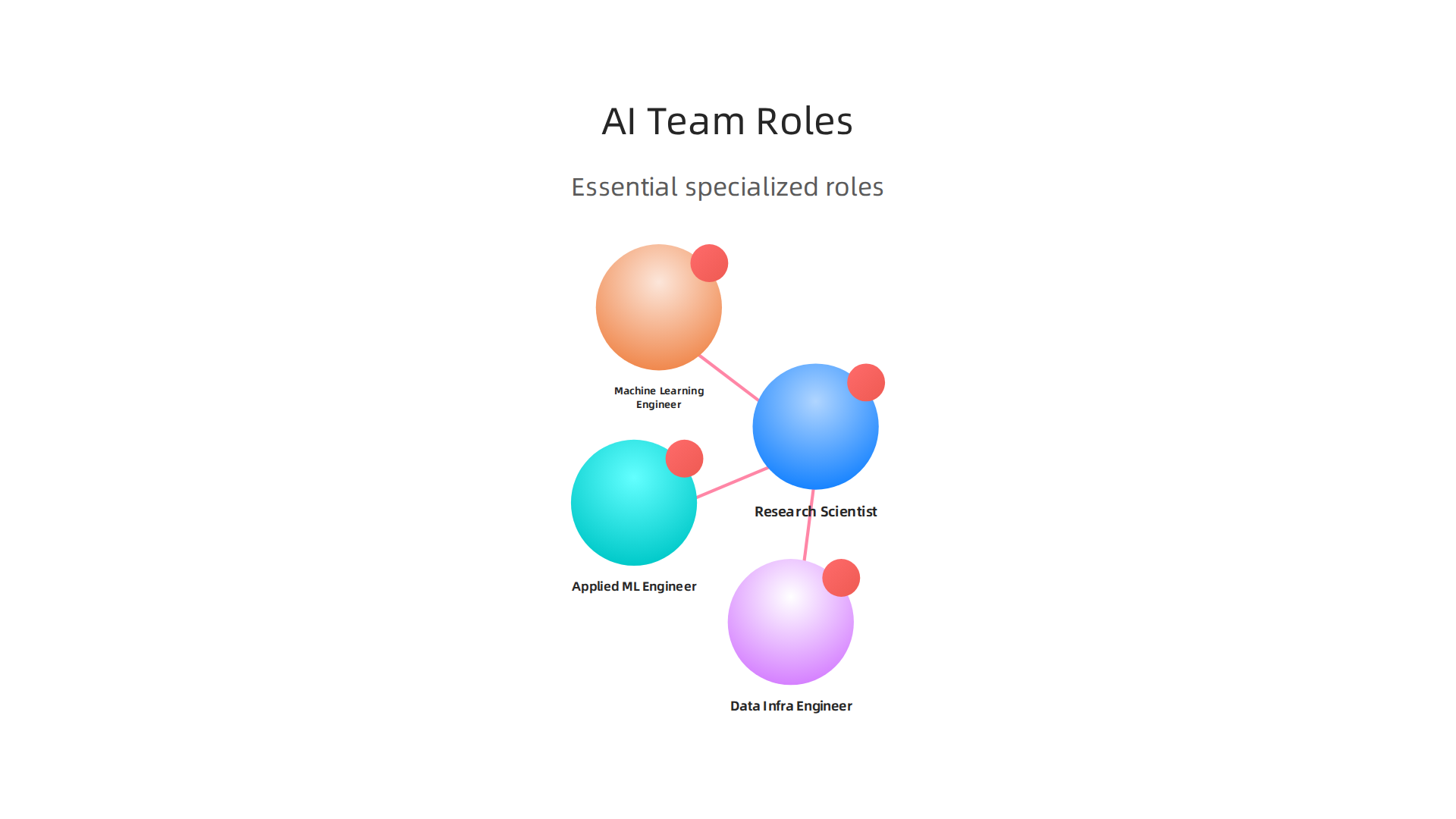
- Research Scientists: These people explore new AI ideas and push the boundaries of what AI can do.
- Applied Machine Learning Engineers: They take the new ideas and make them work in real products.
- Machine Learning Engineers: These experts build and keep up the systems that run AI models.
- Data Infrastructure Engineers: They make sure the data needed for AI is collected, stored, and ready to use.
Getting these skilled people often means offering good pay. For example, senior AI and ML engineers can earn very high salaries, often well into the six figures, along with company ownership shares, according to the 2026 AI Hiring Report. The demand for these skills continues to be strong across industries, as highlighted in reports on the State of AI Hiring 2026. Hiring takes time too, sometimes weeks or even months to find the right fit.
Beyond just hiring, an AI-driven leader must also focus on keeping these valuable team members happy and helping them grow. This means:
- Growing Expertise: Giving team members chances to learn more about their area of AI and how it fits into the company’s products. This helps in mastering AI for the company’s specific needs.
- Clear Career Paths: Showing people how they can move up in the company, taking on more responsibility or learning new skills.
- Strong Leadership Skills: Helping team leaders learn how to guide their teams well. Being an AI leader today isn’t just about knowing tech. It’s about being a big picture thinker, helping the company change, and talking clearly across different groups, according to tips for Top 50 AI Leadership Interview Questions & Answers [2026]. They need to understand how to turn AI ideas into real business results, which is a key skill for AI Leadership in 2026.
It’s also important for all executives to have good AI literacy. This means they should know enough about AI to ask the right questions and make good decisions, not just rely on technical staff. Understanding the AI Leadership Skills in 2026 is crucial for any senior leader. This broad understanding helps shape the company’s future of AI.
By focusing on smart hiring and continuous learning for their teams, an AI-driven leader sets their company up for long-term success in the quickly changing AI world.
After building a strong team, an AI-driven leader must also think about how others see their company. This means understanding what investors and the market look for to spot true leadership in the fast-paced world of artificial intelligence. These outside views are very important for a company’s success.
6) Investment and Market Signals: How Investors Spot AI-Driven Leaders
Investors want to put their money into companies that will grow a lot. When looking at AI companies, they pay close attention to certain signs. These signs can be about how the company works inside (operational signals) or how it looks from the outside (market signals). An AI-driven leader knows how to show these strengths.
Operational Signals
These are clues from inside the company that tell investors about strong leadership and a good plan for the future of AI.
- Key Numbers: Investors check important numbers, or metrics. They look at how well AI products are working for customers. Are users happy? Is the AI making tasks easier or saving money? Good numbers show that the company’s AI efforts are truly helping.
- How Things Get Done: Investors also watch how quickly a company can build and deliver new AI solutions. They want to see a clear plan, or AI roadmap, and steady progress. This shows the team is good at getting things done and is led by an effective AI-driven leader.
- Being the Best: Companies that set new standards or perform better than others in their field catch investor eyes. If a company’s AI can do something nobody else can, that’s a big plus.
Market Signals
These are external signs that show a company is likely to do well and that an AI-driven leader is at the helm, successfully mastering AI.
- Funding Patterns: How much money a company gets from investors is a huge sign. In 2026, global startup investment has soared, with AI being a major reason. For instance, Q1 2026 saw AI startups globally raise an impressive amount of funding, showing strong investor confidence in the sector, according to reports like the Q1 2026 AI Funding Report. This includes large investments in generative AI companies. Investors track these funding trends carefully. If a company keeps getting more money, it signals that smart people believe in its future. To learn more about how investors find promising companies, you can check out guides on how to identify, evaluate, and track top AI companies in 2026.
- Partnerships: When a small AI company partners with a larger, well-known company, it’s a very good sign. It means bigger players trust their AI technology and leadership.
- Talent Moves: Top experts moving to an AI company is another strong signal. When skilled researchers and engineers leave big companies to join an AI startup, it tells investors that something special is happening there. In 2026, for example, many funded companies with new C-level hires are being tracked as strong signals for potential growth and leadership, as highlighted by a Lusha Dataset on funded companies.
By paying attention to these operational and market signals, investors can spot the companies with the strongest AI-driven leaders. These leaders are not just building great tech, they are also showing the world their potential for massive success.
Staying updated on these market shifts and the companies driving them is crucial for anyone involved in the AI space.
Get clear daily AI updates from The AI Newsletter Worth Reading.
After understanding what makes investors interested, an AI-driven leader also needs to keep a close eye on how their company is doing. This means looking at numbers to see the real impact of AI and setting clear rules to handle any risks. It’s all about making sure the AI work is both strong and safe.
7) Measuring Impact, Risk, and Governance for AI-Led Organizations
For any company using artificial intelligence, knowing its true value and staying safe is very important. An AI-driven leader must track certain things to measure how well their AI is helping the business and to make sure it’s used wisely.
How to Measure AI’s Impact
Measuring impact means checking if AI is actually making things better. Leaders should look at specific numbers, called metrics or KPIs, to see if AI solutions are working as planned.
- Business Boost: Does the AI help the company make more money, save costs, or do things faster? For example, if AI helps customer service, are customers happier? Are fewer people calling for help? In 2026, many businesses are using AI, but only a few have fully scaled their AI tools across all parts of the company. It’s important to track where AI truly makes a difference in daily work. Understanding how AI changes business strategy is key for an AI-driven leader.
- Model Check-Up: It’s also vital to see if the AI itself is working correctly. This means checking its accuracy and how often it makes mistakes. An AI model that works well helps the company succeed. Reports from 2026 show that companies with better ways to handle their AI data often see their AI work more steadily and produce better results. This highlights why having good AI data systems is a big race right now, according to the AI Is Now an Infrastructure Race: What Data for AI 2026 Found report.
Handling Risks and Setting Rules (Governance)
AI can bring new challenges, so an AI-driven leader must put rules in place to manage these. This is called AI governance. It helps prevent problems like unfair AI, privacy issues, or even damage to the company’s good name.
- Clear Guidelines: AI governance means having clear policies and steps for how AI is used. It’s about being responsible and ethical. In 2026, many groups have created guides to help companies with this. For example, the NIST AI Risk Management Framework helps organize how to deal with AI risks, while the ISO/IEC 42001 provides a way for companies to show they manage AI well globally. These are some of the 7 AI Governance Frameworks You Should Know in 2026.
- Fairness and Trust: Leaders need to ensure AI is fair and that people can trust it. This means making sure the AI doesn’t treat certain groups of people badly or make biased decisions. Sometimes, AI systems can be hard to understand, so tools like explainable AI can help by showing how the AI came to its decisions, building business trust and regulatory compliance.
- Staying Current with Laws: The world of AI is changing fast, and new laws are always being made. Leaders must keep up with these rules. For instance, countries like India have their own AI Governance Techno-Legal Framework for 2026 to guide how AI should be used safely and fairly. Staying updated helps avoid legal troubles and keeps the company’s reputation strong.
By carefully measuring AI’s impact and setting strong governance rules, an AI-driven leader shows they are thoughtful and ready for the future. They prove their company is not only innovative but also responsible.
Summary
This article explains what it means to be an AI-driven leader in 2026 and why that leadership style is essential for competitive businesses. It defines the AI-driven leader as someone who blends human judgment with AI insight, then walks through the practical skills, organizational choices, and cultural shifts required to make AI deliver real business value. The piece covers how to choose between vendor, open-source, or proprietary platforms, how to set up data and governance, and which team roles and hiring practices matter most. It also explains what investors look for—operational metrics, product traction, partnerships and talent—and shows how leaders should measure impact and manage AI risks. After reading, leaders will know the strategic priorities, structures, and governance steps needed to build AI capability and demonstrate responsible, measurable results.