
Why a Unified Guide to AI Domains and Platforms Matters
In 2026, the world of Artificial Intelligence (AI) is growing super fast. It feels like every day there are new ideas, new words, and new tools. This can make it really hard to understand what’s what. Imagine trying to learn about cars, but everyone uses different names for the engine, wheels, and steering wheel. That’s a bit like what’s happening with AI right now. There are so many kinds of AI and so many different ways people talk about them, leading to a jumble of terms and platforms.
This mix-up of words and tools creates a big problem. It makes it tough for people to keep up with all the new "ai domains" and "ai platforms."

Experts even agree that having a clear way to sort out all the parts of AI is important. They call this an AI taxonomy, which is just a fancy word for a clear system of names and categories.

Without such a system, finding the right "ai applications" or the best "ai solutions" can feel like searching in the dark.
That’s why a clear guide to "ai domains" and platforms is so important. It helps everyone, from people who put money into new AI ideas to those who start their own AI companies and even experts who study the market. For investors and founders, a unified guide means they can do their research much faster. They won’t get lost in all the different terms, helping them find the truly promising "top ai platforms" and spot potential "top 100 ai companies" more easily.
This guide helps people make better choices too. When you have a clear picture of the AI landscape, you can make smarter decisions about where to invest your money or what new products to build. It also gives teams a common language to use. When everyone on a team understands the same terms for different "ai solutions" and "ai applications," they can work together more smoothly. It cuts down on confusion and helps everyone be on the same page. Staying informed in this fast-changing field is key to success.
To navigate this exciting but complex world, staying updated with clear, insightful information is crucial. Get clear daily AI updates to help you make informed decisions and stay ahead of the curve.
The AI Newsletter Worth Reading
A Clear Taxonomy: What We Mean by ‘AI Domains’ and ‘Platforms’
To truly understand AI and make smart choices, we need a clear way to talk about its different parts. This is where an "AI taxonomy" comes in handy. It’s like having a map for a big city. Without the map, you might get lost, but with it, you can find exactly what you’re looking for. In AI, this means clearly defining terms like "ai domains" and "ai platforms." Experts are working to create such clear systems to help everyone navigate this complex field. One paper, for example, shares A Unified Taxonomy of 19 AI System Types to help make things clearer.
So, what do these terms mean?
Understanding AI Domains
Think of "ai domains" as the big problem areas, industries, or specific types of technology where AI is used. These are the places where AI "lives" and helps. They show us what AI is being used for.
Here are some simple examples of AI domains:
- Healthcare: AI helps doctors find problems faster, makes new medicines, and improves patient care.
- Finance: AI helps banks spot fraud, manage money, and give advice on investments.
- Retail: AI helps stores know what customers want, manage stock, and make shopping easier online.
- Transportation: AI powers self-driving cars and helps make traffic flow better.
- Creative Arts: AI helps create new music, pictures, and stories.
These are just a few examples. As you can see, "ai domains" cover a wide range of real-world uses and challenges that AI aims to solve.
Understanding AI Platforms
Now, if "ai domains" are the what, then "ai platforms" are the how. These are the actual tools, software, systems, or services that make AI applications possible. They are the building blocks and frameworks that developers use to create specific AI solutions. Some people call these the "top ai platforms" because they are so important.
Let’s break down some common types of AI platforms:
- Generative Models: These platforms create new things. Think about AI that writes text, makes images, or even composes music from simple instructions.
- Perception Platforms: These are about how AI "sees" and "hears" the world. This includes tools for recognizing faces in photos, understanding speech, or making sense of sensor data.
- Decisioning Platforms: These platforms help AI make choices. They can analyze lots of data to recommend actions, like deciding the best route for a delivery truck or approving a loan.
- Vertical AI Platforms: These are platforms made specifically for one industry. For example, there might be an AI platform just for managing farms, or another just for making movies. These platforms offer specialized "ai solutions" for very particular "ai domains."
By using a clear language, we can better track the biggest AI companies and the "top 100 ai companies" that build these crucial tools. Having this clear picture helps everyone, from new learners to seasoned investors, understand the landscape of AI more easily. To dive deeper into how this works and what it means for the industry, you might find our comprehensive AI guide for investors, founders, and analysts very helpful.
Now that we know what "ai domains" are in a general sense, let’s look closer at the main technical areas that make up these domains. These are the core parts of AI that help it do amazing things. Think of them as the different skills AI has. Various groups, like the Royal Academy of Engineering, work to create a clear AI taxonomy to help everyone understand these skills better.
Here are some of the most important core AI domains:
Computer Vision: AI That Sees
This domain is all about teaching computers to "see" and understand images and videos. It’s like giving AI eyes. Computer vision allows AI applications to:
- Recognize Objects: Identify different items in a picture, like cars, people, or signs.
- Facial Recognition: Spot and identify faces.
- Medical Imaging: Help doctors analyze X-rays or scans to find health issues faster.
- Self-Driving Cars: Let vehicles see the road, other cars, and pedestrians to drive safely.
Natural Language Processing (NLP): AI That Understands Language
NLP is the part of AI that helps computers understand, interpret, and make human language. It’s how AI "reads" and "writes." This domain is key for many helpful ai solutions, such as:
- Chatbots and Virtual Assistants: Programs that can talk to you and answer questions.
- Language Translation: Tools that translate text from one language to another.
- Text Summarization: AI that can read long articles and give you the main points.
- Sentiment Analysis: Figuring out if a piece of writing is positive, negative, or neutral.
Speech Recognition and Synthesis: AI That Hears and Speaks
This domain is closely linked to NLP, but it focuses on spoken language. Speech recognition is when AI understands what you say, and speech synthesis is when AI generates speech. If you want to dive deeper into this specific area, our guide on text to speech AI in 2026 can be very helpful. Examples include:
- Voice Assistants: Like the ones on your phone or smart speaker that respond to your commands.
- Transcription Services: Turning spoken words into written text.
- Automated Customer Service: AI systems that can understand your voice when you call a company.
Reinforcement Learning: AI That Learns by Doing
Reinforcement learning is a different way AI learns. Instead of being given examples, AI learns by trying things out and getting rewards or penalties. It’s like teaching a dog tricks with treats. The AI tries an action, sees if it worked, and learns from the outcome. The National Institute of Standards and Technology (NIST) has also created an AI Use Taxonomy that helps classify how AI systems contribute to outcomes, highlighting different learning methods.
This domain is used in:
- Robotics: Teaching robots to perform complex tasks.
- Game Playing: AI systems that can beat human champions in games.
- Optimizing Systems: Finding the best way to manage traffic lights or factory processes.
How These AI Domains Work Together
Often, these core AI domains don’t work alone. They are combined to create powerful ai solutions.

For example:
- A self-driving car uses computer vision to see the road, NLP to understand voice commands from the driver, and reinforcement learning to make decisions about how to navigate traffic.
- In healthcare, AI might use computer vision for diagnostics and NLP to process patient records, leading to better treatment plans.
These technical domains are the foundation for the broader "ai domains" we talked about before, like healthcare, finance, retail, and manufacturing. Understanding these core skills helps us see why some top ai platforms are so vital, as they provide the building blocks for these complex AI applications. As the AI landscape keeps changing, staying informed is key.
If you want to keep up with these fast-moving developments, you’ll love The AI Newsletter Worth Reading. Get clear daily AI updates from The Deep View Newsletter.
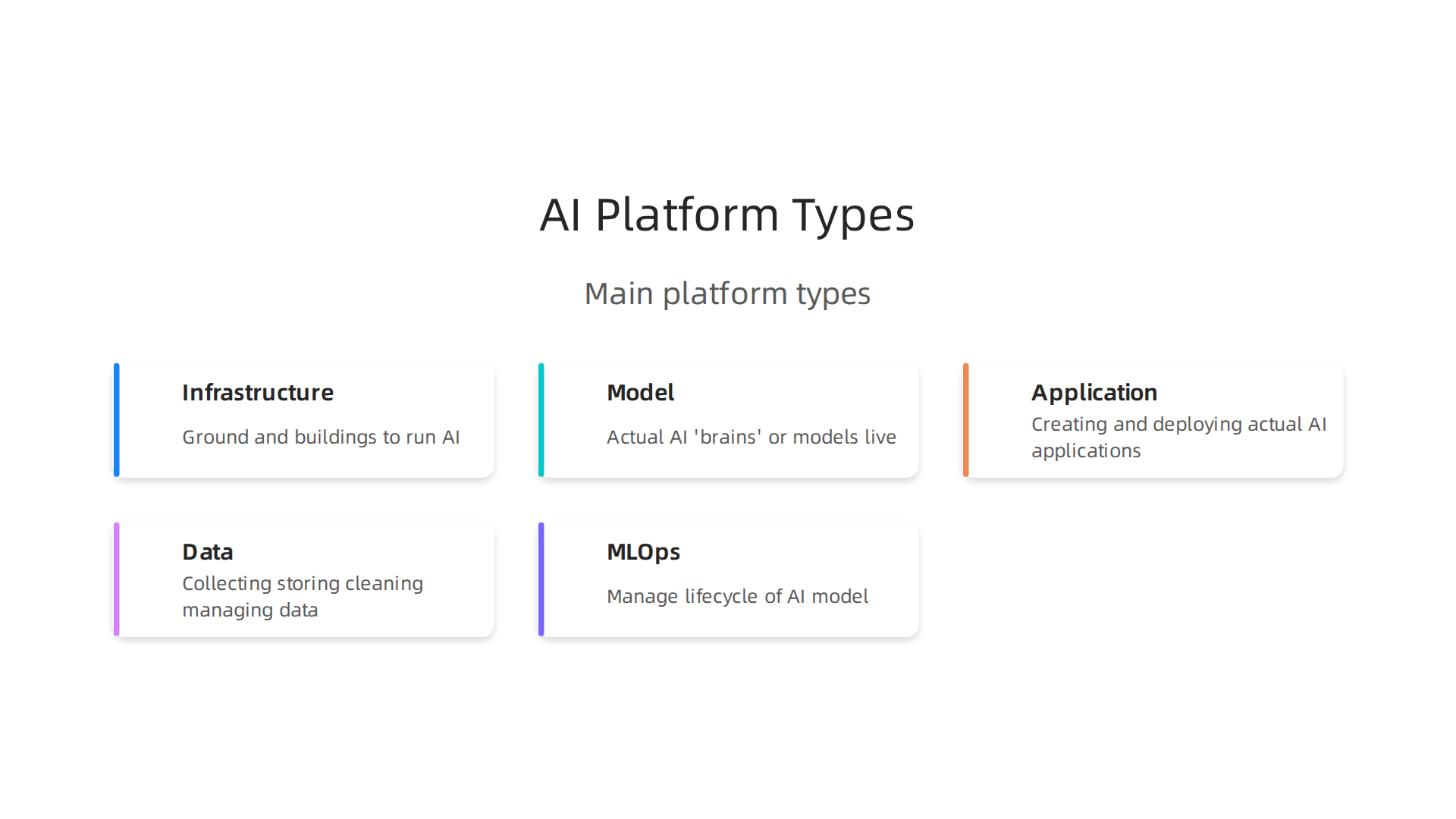
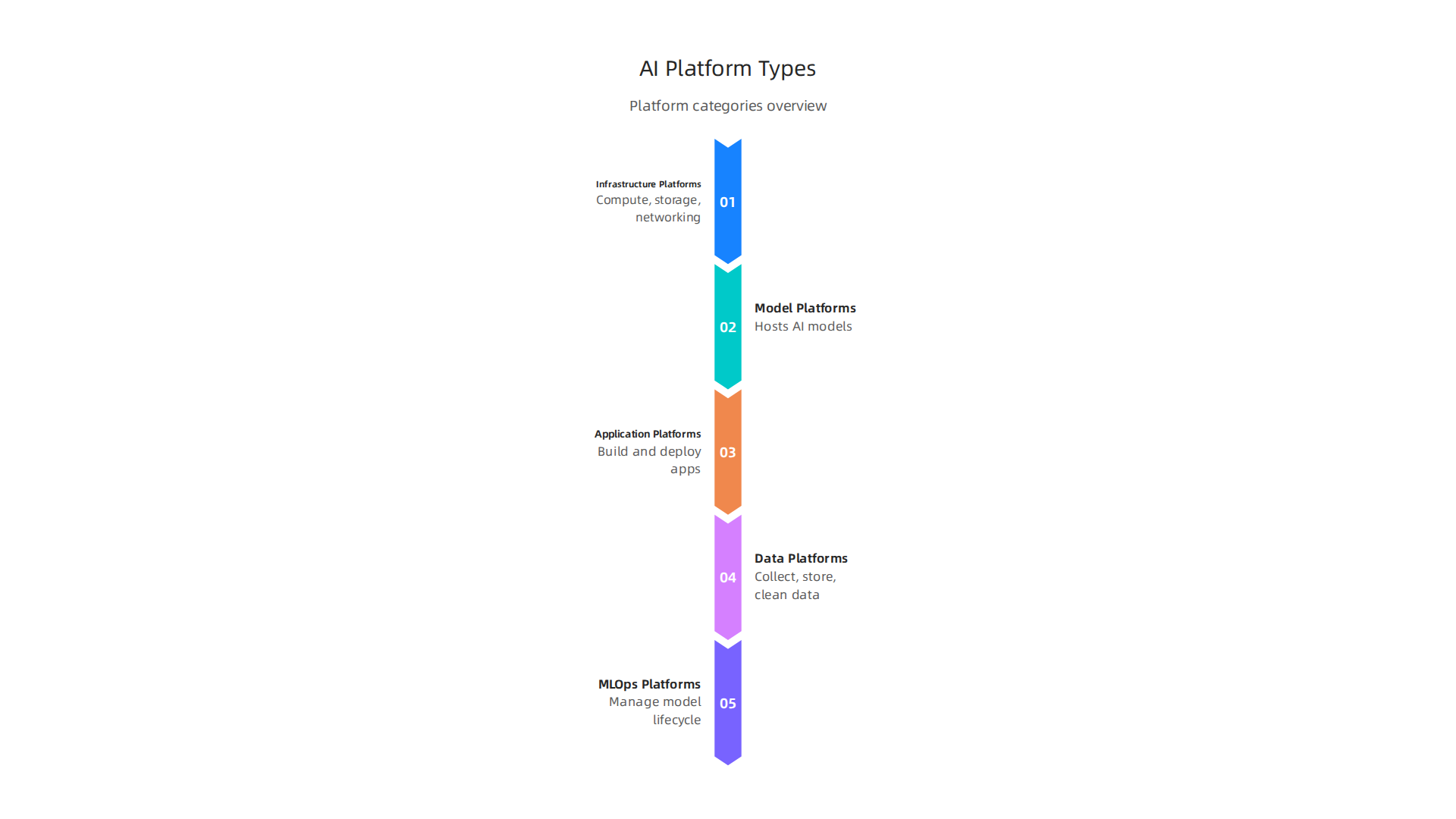
The core skills of AI we just talked about, like computer vision and natural language processing, don’t just happen by magic. They need special places to live and grow, which we call AI platforms. These platforms are like big toolboxes or building sites where AI is created, managed, and put to use. In 2026, many different kinds of these platforms exist, each with its own job. Understanding them is key to seeing how "ai domains" truly come to life.
Let’s look at the main types of AI platforms:
Infrastructure Platforms: The Foundation
Think of infrastructure platforms as the ground and buildings needed to run AI. This includes powerful computers (hardware), cloud services, and special software that helps AI models train and run. Without strong infrastructure, complex AI applications wouldn’t work. These are the basic building blocks for any AI effort. Many big tech companies offer these services, making it easier for smaller businesses to access the power of AI without buying all the expensive gear themselves. For a closer look at these foundational elements, you can explore the AI Infrastructure Market Map 2026.
Model Platforms: The Brains of AI
Model platforms are where the actual AI "brains" or models live. These are the programs that have learned to perform specific tasks, like understanding language or recognizing images. Some platforms offer ready-to-use models through something called an API (Application Programming Interface), which is like a set of instructions that lets different computer programs talk to each other. This means developers can easily add smart AI features to their own ai solutions without having to build the AI model from scratch. Companies like OpenAI and Google offer many of these important AI models, as detailed in the AI Market Map 2026.
Application Platforms: Putting AI to Work
These platforms provide tools and services for creating and deploying actual AI applications. They’re often designed for specific business needs, such as customer service chatbots or tools for analyzing financial data. They make it easier for companies to build their own custom AI tools, even if they don’t have a team of AI experts. Gartner highlights various AI vendors to beat in 2026, many of which operate in this space, helping businesses create practical enterprise AI software in 2026 solutions. These platforms bridge the gap between complex AI models and everyday business uses.
Data Platforms: Feeding the AI
AI models need huge amounts of data to learn. Data platforms are all about collecting, storing, cleaning, and managing this data. They make sure the AI models get good, reliable information to learn from. Think of it like feeding a growing child; they need good food to become strong. For AI, good data is essential for accurate learning. There are specialized AI data platforms in 2026 that combine data management with AI and machine learning tools, providing predictions and insights.
MLOps Platforms: Keeping AI Running Smoothly
MLOps stands for Machine Learning Operations. These platforms help teams manage the entire lifecycle of an AI model, from training it to deploying it and making sure it keeps working well over time. It’s like having a team that manages a factory line, making sure everything is built correctly and any issues are fixed fast. MLOps platforms help keep ai solutions efficient and reliable. Many companies need robust MLOps to handle the complexities of AI, as discussed in guides comparing Enterprise AI Platforms in 2026.
Together, these different types of platforms form the backbone of the AI industry. They allow the core AI domains to be turned into real-world products and services, driving innovation across all sectors. As AI continues to grow, so too will the importance of these diverse top AI platforms that empower them. For those looking to invest in these rapidly growing areas, understanding the landscape of top AI platforms for enterprise is crucial.
Now that we know about the different kinds of AI platforms, let’s see how companies fit into this exciting world. Imagine you’re looking at a big map. On this map, you’ll find all sorts of companies, from small startups just starting out to huge public firms that are known everywhere. Each one plays a part in different ai domains.
How Companies Fit into the AI World
We can sort companies into groups based on their size and what they do:
- Startups: These are new companies, often with fresh ideas. They usually focus on solving one specific problem in an AI domain. For example, a startup might create a new tool for very specific ai applications or build a unique kind of AI model.
- Scaleups: These companies are a bit bigger than startups. They’ve found success with their first ideas and are now growing fast. They might be expanding their ai solutions or serving more customers.
- Public Firms: These are the very large companies, like Google or Microsoft, that are traded on the stock market. They often work across many AI domains and use all types of top ai platforms. Many of these firms also offer their own AI platforms and tools for others to use.
To understand where a company fits, you need to look at its core value. What is the main thing it offers? If a company makes the basic computer power that AI needs, it’s likely an infrastructure platform company. If it builds a smart program that helps doctors read X-rays, it’s working in the healthcare AI domain, probably using model and application platforms. For a comprehensive look at the major players, the AI Company Rankings 2026: Dataset for 2,000+ AI lists many of these important businesses.
Some companies might specialize in just one area, like creating better tools for training AI models. Others, especially the larger ones, might offer a wide range of AI products and services, covering many different ai domains. Keeping track of these companies helps us see how the AI market is growing and changing. For those who want to stay informed about the key players and latest trends, getting daily updates is a great idea.
Get clear daily AI updates from The AI Newsletter Worth Reading.
Understanding the landscape is one thing, but how do you actually decide if an AI solution is good for you or your business? It’s like buying a new tool. You wouldn’t just pick any hammer; you’d think about what you need it for. The same goes for finding the best AI platforms and the many different ai domains they serve. In 2026, there are lots of choices, so knowing how to pick is key.
How to Evaluate AI Domains and Platforms: Criteria and Benchmarks
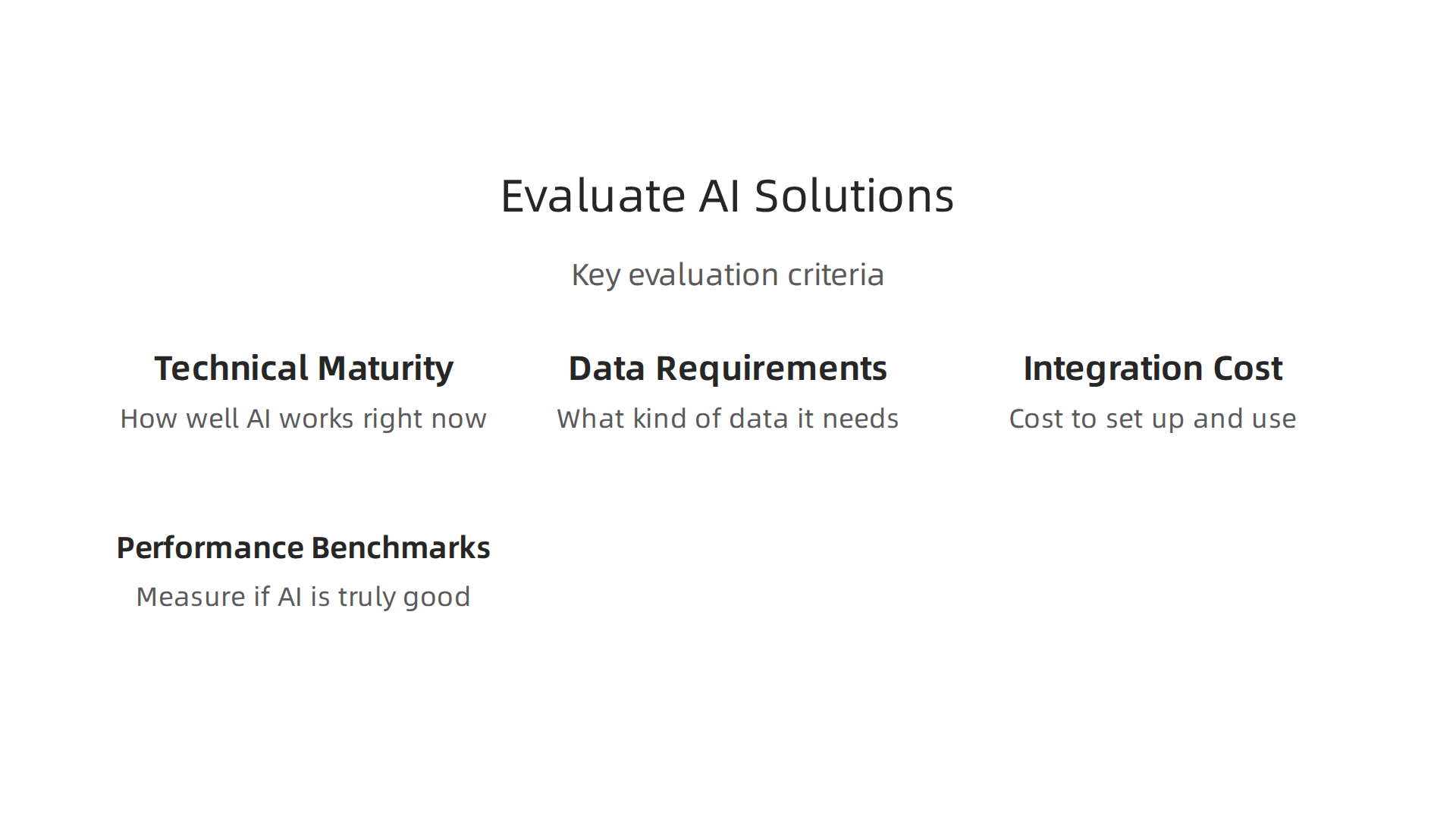
When you look at different AI products or services, you need a simple way to compare them.
ons based on technical maturity, data requirements, and cost implications.](https://biggestaicompanies.com/wp-content/uploads/2026/07/weblish-inline-91800.jpg)

Here are some easy ideas for how to evaluate AI:
- How good is the technology? (Technical Maturity)
This asks how well the AI works right now. Is it new and still learning, or has it been around for a while and proven itself? Think about how quickly it gives answers, how few mistakes it makes, and if it can handle lots of tasks. A good AI solution should be ready to do the job. - What kind of data does it need? (Data Requirements)
AI learns from data. Some AI needs a lot of very specific information to work best. Other AI can work with less data or more general kinds. You need to make sure the AI you pick can use the data you have, or that you can easily get the data it needs. - How much will it cost to set up and use? (Integration Cost)
Putting a new AI system into your business or daily life costs money and time. This includes paying for the AI itself, but also for getting it to work with your other tools. Some AI solutions are easy to plug in, while others might need more expert help to get going. This is an important point to consider when looking at different top ai platforms. - Does it really work well? (Performance Benchmarks)
This is about how you measure if an AI is truly good at what it does. Companies use special tests called benchmarks. These tests give a score to how well AI models perform on tasks like understanding language or solving problems. For example, some benchmarks look at how well AI can reason through complex questions, according to experts in 2026 on AI Benchmarks in 2026: The Complete Guide. It’s helpful to see scores from many different tests, not just one. For enterprise-level needs, there are specific Enterprise AI Benchmarking Platforms 2026 that can help compare options.
Checking What Companies Say
When a company tells you their AI is the best, how can you be sure? You need to look for proof.
- Look at reports and studies: Many research groups and tech companies put out reports comparing different AI tools. These can help you understand what experts think about various ai solutions. For instance, there are guides that compare different Enterprise AI Platforms Compared: 2026 Buyer’s Guide to help you choose.
- Check real-world stories: See if other people or businesses are using the AI and what they say about it. Customer reviews and success stories can give you a good idea of how well the AI works in real life.
- Ask for demos: A company should be able to show you how their AI works. If they can’t, or if it doesn’t do what they say it can, that’s a red flag.
By using these criteria, you can make smarter choices about which AI applications and platforms are right for you in 2026. This helps you get the most out of new technology.
Once you know how to choose the right AI, it’s also smart to look ahead. What’s new and exciting in the world of AI right now? And what should you be careful about in 2026 and beyond?
Emerging Trends, Risks, and Opportunities Across AI Domains (What to Watch in 2026+)
The world of artificial intelligence is always changing fast. In 2026, we see some big trends taking shape across all the different ai domains. These trends are changing how we use AI and what it can do.
New and Exciting Trends:
- Foundation Models: These are like super-smart AI brains trained on huge amounts of data. They can do many different tasks, from writing stories to answering questions. Think of them as a base that many different ai applications can be built upon. This is a big deal because it means less work is needed to create new AI tools.
- Multimodal AI: This is AI that can understand and work with different types of information at once. For example, it can look at a picture, listen to a sound, and read text to get a full understanding. This makes AI much smarter and more like humans in how it takes in the world. You can learn more about this in artificial intelligence in 2026 how multimodal and agentic ai are driving the future.
- Special AI for Specific Jobs: We’re seeing more ai solutions made just for one type of work. For instance, AI that helps doctors, or AI that makes finance tasks easier. These specialized tools are becoming very powerful because they know a lot about their specific area. The overall AI market is growing quickly, expected to reach over 600 billion US dollars in 2026, and keep growing a lot each year through 2033, according to a report on the Artificial Intelligence (AI) Market Report 2026-2033, by Application, Geo, Tech.
What to Watch Out For (Risks):
While AI brings many good things, there are also things to be careful about:
- New Rules and Laws: Governments around the world are making new rules for AI. These rules are meant to make sure AI is used safely and fairly. Staying up to date on these changes is important for businesses and users alike, as explained in reports like Artificial Intelligence in 2026: our top ten trends to watch.
- Fairness and Ethics: Sometimes, AI can be unfair if the data it learned from was biased. People are working hard to make sure AI is fair to everyone and that it respects privacy. Making AI trustworthy is a big focus for 2026, as noted in the AI trends report 2026 shaping business and strategy.
- Fake Information: It’s getting easier for AI to create fake pictures, videos, and news. This can be a real problem for telling what’s real and what’s not. Some experts warn that AI-generated fake news will surge in 2026, posing big challenges for governance, according to 2026 AI trends – Staying Competitive – I by IMD.
Where the Opportunities Are:
Even with the risks, there are huge chances for growth and new ideas:
- Better Tools for Businesses: Companies are looking for top ai platforms that can help them do tasks better, faster, and smarter. This means more AI tools for everything from customer service to making new products.
- Agentic AI: This is AI that can act on its own to complete tasks, almost like a smart teammate. These AI agents are expected to become more common and helpful in daily work in 2026, transforming how we work, create, and solve problems, according to insights from What’s next in AI: 7 trends to watch in 2026.

- New Ways to Learn and Create: AI is helping people learn new things and create art, music, and writing in ways we never thought possible.
Keeping up with these changes is key for anyone interested in AI. To get even more insights into the fast-moving AI industry, consider subscribing to The AI Newsletter Worth Reading for clear daily updates.
Summary
The article explains why a clear, unified guide to AI domains and platforms is essential in 2026’s fast-changing AI landscape. It defines