

Why Starwood Capital Group matters to investors and analysts
Starwood Capital Group is a very important player in the world of private investing. It is known as a top global private investment firm that focuses a lot on real assets like buildings and land. Founded in 1991, Starwood Capital Group has become one of the biggest firms in this space.
As of July 2026, it manages about $130 billion in assets, showing just how big its impact is across the globe Starwood Capital locks in $10.2B as real estate bets widen globally.
For investors and analysts, understanding a firm like Starwood Capital Group is key. It helps them see how large amounts of money are put into different projects and properties around the world.

The company’s work affects many parts of the economy, from housing to hotels and other real estate projects. For example, Starwood Capital Group has recently closed new private credit funds valued at $2.86 billion, showing its wide reach in different types of lending related to real estate Credit Focused Vehicles at Total Valuation of $2.86 Billion. Its strategies and actions often set trends for others in the private market.
In this profile, we will take a deep dive into Starwood Capital Group. We will look at its structure, its smart investment plans, some of the key projects in its portfolio, how the company is run (its governance), and what signs investors and analysts should watch for to understand its future moves. This will help you get a clear picture of how a major firm like Starwood Capital Group operates and grows its significant influence. Just like it’s crucial to understand big players in traditional investments, staying updated on fast-changing sectors, like AI, is also important for many professionals today. For daily insights into this evolving field, you can Get clear daily AI updates from The Deep View Newsletter.
Firm overview: history, legal structure, and footprint
After all, knowing about big investment groups like Starwood Capital Group helps paint a full picture of the financial world. Let’s dig deeper into how this important firm came to be and how it works.
Starwood Capital Group started its journey in 1991. From the very beginning, its main focus was on real estate, which means properties and land. Over the years, Starwood Capital Group has grown a lot, becoming one of the biggest private real estate investment firms in the world Business – Starwood Capital Group. This growth shows how smart their plans have been for over three decades.
The firm did not just stick to one type of real estate. Instead, it grew its business lines to include many different kinds of investing.
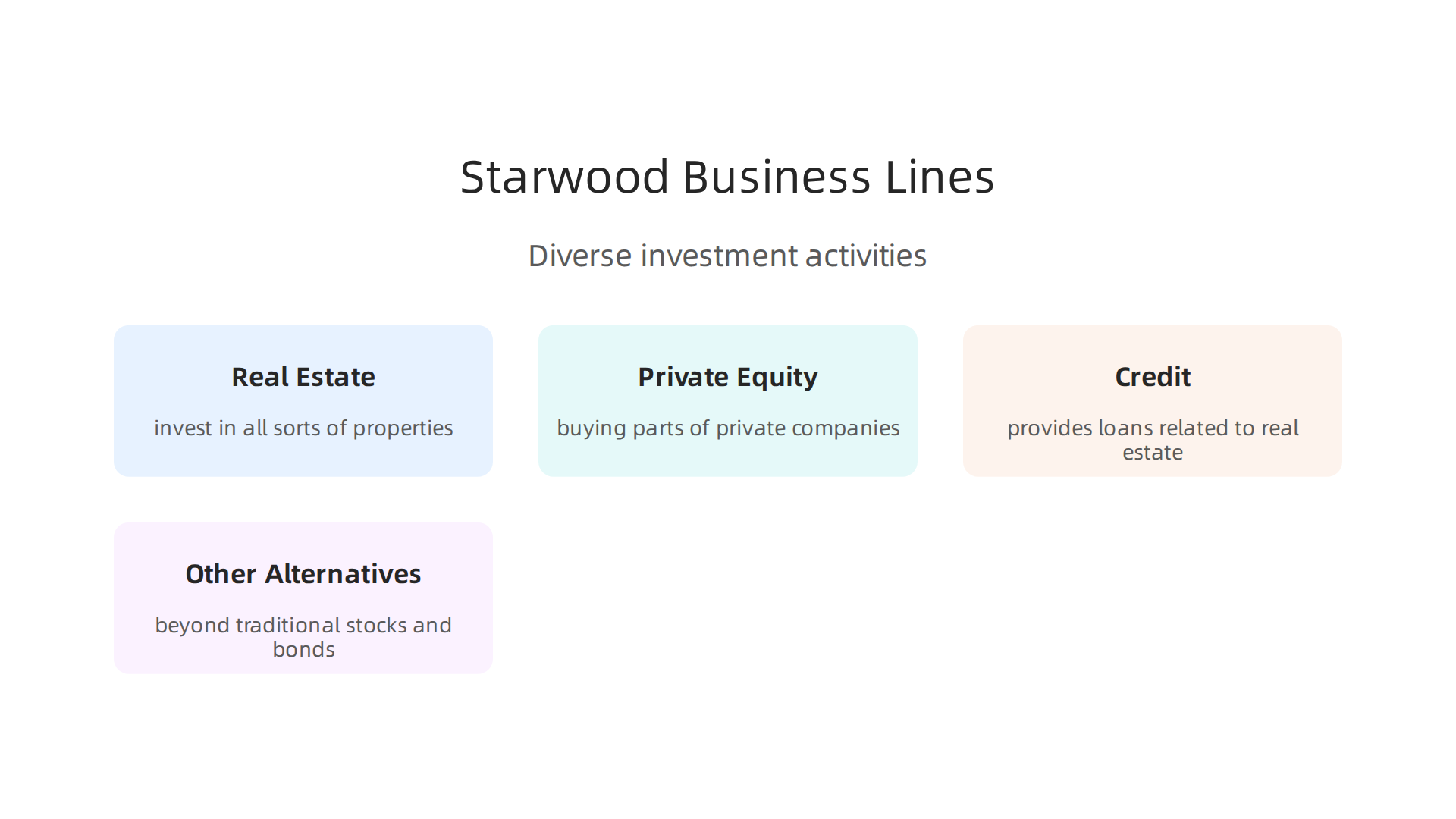
This includes:
- Real Estate: This is still their main focus. They invest in all sorts of properties, like hotels, homes, offices, and shopping centers. They often look for chances where they can buy properties, improve them, and then sell them for more money. The firm has put together many special funds, like 16 private opportunistic real estate funds, to do this kind of work STARWOOD REAL ESTATE INCOME TRUST, INC..
- Private Equity: This means buying parts of private companies that are not traded on big stock markets.
- Credit: Starwood Capital Group also provides loans or takes part in lending related to real estate. We saw this in the previous section with their private credit funds.
- Other Alternatives: They look at many different ways to invest beyond traditional stocks and bonds. This can include things like infrastructure or other real assets, which are types of "alternative investments" that big money managers often use The world’s largest 500 asset managers.
When it comes to how the company is set up, Starwood Capital Group Management, L.L.C., known as SCGM, has been around since 1993. This part of the firm gives advice on investments, mostly for vehicles that focus on real estate and similar things STARWOOD CAPITAL GROUP MANAGEMENT, L.L.C. | Form ADV.
Starwood Capital Group uses different ways to gather and invest money. These are called fund vehicles, and they include:
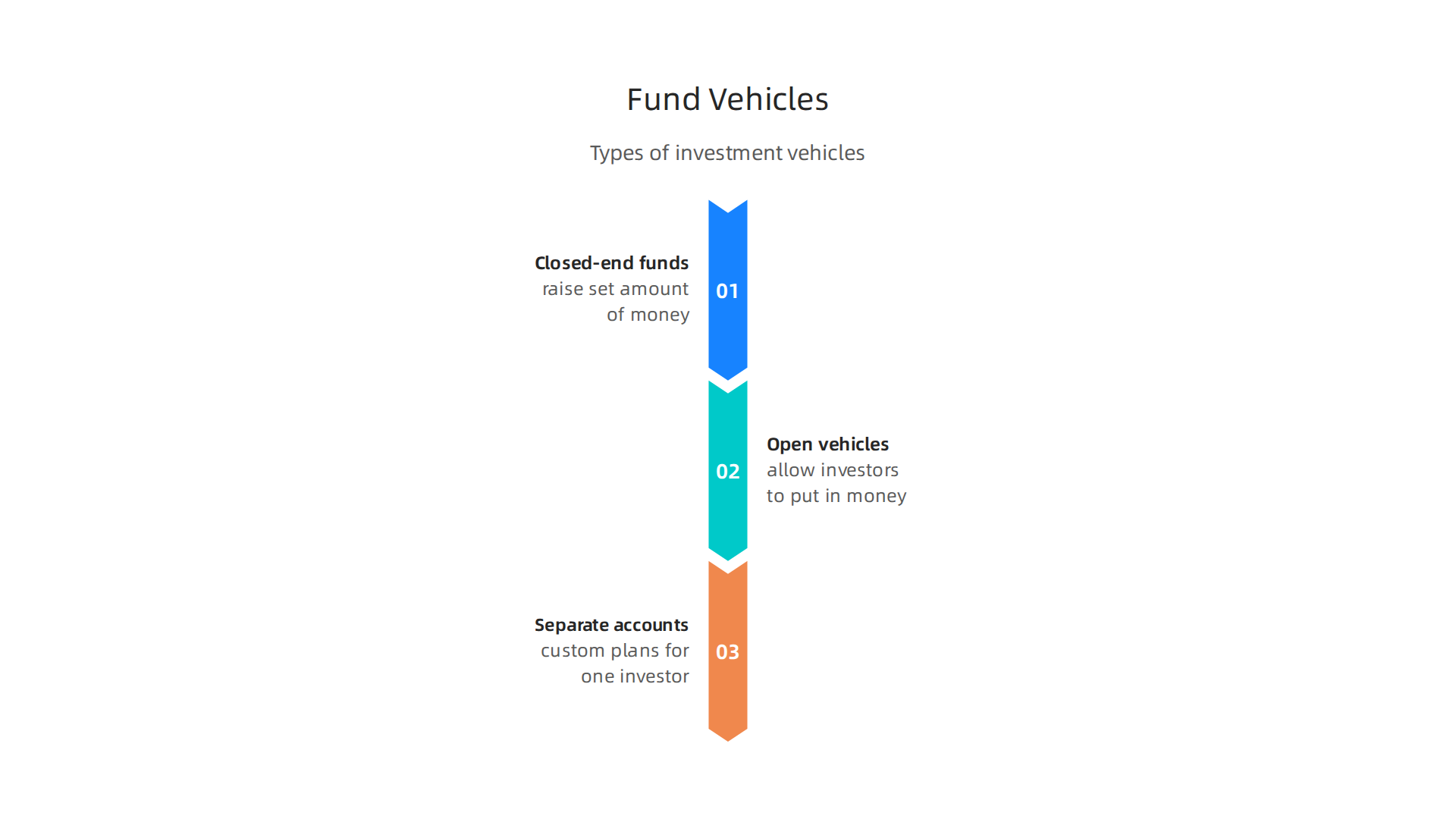
- Closed-end funds: These funds raise a set amount of money from investors and then invest it over a certain period. Once the money is raised, new investors usually cannot join until the fund ends.
- Open vehicles: These funds allow investors to put in or take out money more often.
- Separate accounts: These are custom investment plans made just for one big investor.
This clever way of organizing their investments lets Starwood Capital Group work with many different kinds of investors and tackle various projects around the world. Understanding these parts of Starwood Capital Group helps us see why they are such a big player in the investment world, much like how understanding the biggest AI companies helps you learn about a new, fast-growing area. If you are an investor, founder, or analyst looking to keep up with quickly changing markets, a good general guide can be very helpful, such as The 2026 Comprehensive AI Guide for Investors, Founders, and Analysts.
Starwood Capital Group’s smart setup allows it to work with many investors on projects around the world. Now, let’s look at exactly how this big company decides where to put its money. This means understanding its core investment strategy.

Core Sectors and Geographic Focus
Starwood Capital Group has always kept a strong focus on real estate. But within real estate, they do not just invest in one thing. They spread their investments across many different types of properties.
This includes:
- Homes and Apartments: Investing in places where people live, from single-family homes to large apartment complexes.
- Hotels and Resorts: Buying and improving places where people stay for vacations or business trips.
- Offices: Investing in buildings where companies have their workplaces.
- Shopping Centers and Stores: Owning places where people shop.
- Industrial Properties: This means warehouses and other buildings used for business, like those for shipping and making things.
The firm also focuses on credit strategies. This means they lend money for real estate projects or buy debts related to property. This broad approach helps them find good chances to make money in different parts of the property market. For instance, sometimes offices might be doing well, while other times, apartments are a better bet.
When it comes to where they invest, Starwood Capital Group has a global reach. They do not just stick to one country. They look for good investment opportunities all over the world. This includes North America, Europe, and other growing markets. Their aim is to find properties or projects that they can make better and then sell for a profit.
Even with such a wide focus, Starwood Capital Group Management, L.L.C. still needs to report its holdings to the right authorities, similar to how other investment groups like Dragoneer Investment Group or Shore Capital Partners must. For example, some of their recent public holdings include trusts and real estate companies, as shown in their latest SEC filings Starwood Capital Group Management, L.L.C. Portfolio ….
Deal Types: Size, Hold Periods, and Exits
Starwood Capital Group is known for making "opportunistic" investments. This means they look for chances where they can buy properties or lend money at a good price, improve the value, and then sell when the time is right.
- Ticket Sizes: The size of their investments can vary a lot, from smaller deals to very large ones that involve billions of dollars. They are able to handle big projects because they manage a lot of capital from many different investors.
- Hold Periods: When Starwood Capital Group invests in something, they usually plan to hold onto it for a few years. They are not looking for quick flips. Instead, they aim to make changes, manage the property better, or wait for the market to improve before selling. This is different from a lender like Momentum Funding LLC, which focuses on providing faster cash advances.
- Exit Approaches: How they sell an investment depends on the market and the type of property. They might sell a single property, a group of properties, or even sell the entire company that owns the properties. The goal is always to get the best return for their investors.
Understanding these detailed investment strategies is key to seeing why Starwood Capital Group has been so successful for many years. It shows how they carefully pick what to invest in and how they plan to make money from it, much like any good guide to investment strategies helps you plan your own approach. If you are interested in learning more about how different investment groups operate, especially institutional funds, you can read about how they differ from other types of investors in the tech world in a guide about AI Startup Investors: How Angels, VCs, CVCs, and Institutional Funds Differ.
Now, let’s look at some real examples of how Starwood Capital Group puts its plans into action. This helps us see what kinds of risks they are willing to take and how they build their success.
Portfolio highlights and representative case studies
Starwood Capital Group’s investment choices are a clear map of its risk appetite. This means how much risk they are ready to take to earn more money. When we look at their top investments, called "marquee portfolio holdings," we see a mix of steady bets and bolder moves. For example, reports from early 2026 show Starwood Capital Group Management, L.L.C. holding important stakes in real estate companies that focus on apartments and industrial buildings, like Camden Property Trust and First Industrial Real Estate Trust [Starwood Capital Group Management, L.L.C. Top Holdings and 13F Report (2026)]. These holdings suggest a belief in long-term value in well-known property types.
But Starwood Capital Group also takes on bigger challenges. They have special funds, like the Starwood Distressed Opportunity Fund XIII, which closed recently in July 2026, raising a lot of money [Company Announcements – Starwood Capital Group final closing]. Funds like this are made to invest in properties or businesses that are having problems, sometimes called "distressed" assets. The idea is to buy them cheap, fix them up, and sell them for a large profit. This shows a high level of risk taking, aiming for big returns by turning bad situations into good ones. This is different from just lending money, like Momentum Funding LLC does.
To understand Starwood Capital Group even better, it helps to look at some specific deals they have made. Here is a simple way to pick out good examples, or "case studies":
- Look for variety: Choose projects that show different types of properties they invest in, like hotels, offices, or homes. You also want to see projects from different places, like New York or Berlin.
- Check for transformation: The best examples are often places that Starwood Capital Group bought and made much better. This could be by fixing up an old building or making a hotel more popular.
- Consider the risk: Pick a mix of projects. Some might have been less risky, like improving a stable apartment complex. Others might have been very risky, like turning around a failing hotel.
- Find a full story: It’s good to see projects that have been completed, from buying to improving to selling. This lets us see how much money they made and how their plan worked out.
Some examples of their notable investments include the beautiful 1 Hotel Brooklyn Bridge in New York, The Cube office building in Berlin, Germany, and the Baccarat Hotel & Residences, also in New York [Starwood Capital Group’s Business Operations]. These projects show their reach and ability to develop different kinds of high-value properties. By looking at these real-world examples, we can truly understand the smart choices and bold moves that make up Starwood Capital Group’s investment journey.
If you are interested in how big companies plan their investments, learning about these strategies can be very helpful. You might also want to explore AI funding playbook master 2026 investment strategies to get more ideas on investment planning in different high-growth areas.
Understanding how Starwood Capital Group manages its money helps us see the bigger picture of their success. This is where we look at their financial performance, how much money they manage for others, and how their different funds are set up.
Financial performance, AUM, and fund structure (how to read the numbers)
When we talk about a company like Starwood Capital Group, one of the most important numbers is "Assets Under Management," often called AUM. This means the total value of all the investments the company manages for its clients. As of July 2026, Starwood Capital Group manages around $130 billion in assets [Starwood Capital locks in $10.2B as real estate bets widen globally]. This huge amount of money shows their big role in the world of real estate and other investments. Starwood Capital Group Management, L.L.C., which is part of the larger group, has been giving investment advice since 1993, mainly for real estate investments and other related businesses [STARWOOD CAPITAL GROUP MANAGEMENT, L.L.C. | Form ADV].
To manage these funds, Starwood Capital Group uses different ways to make money. They typically earn money in two main ways:
- Management Fees: These are fees clients pay each year, usually a small percentage of the total money they have invested with Starwood Capital Group. This helps cover the daily costs of running the business.
- Carried Interest: This is a share of the profits when an investment does really well. If Starwood Capital Group buys a property, fixes it up, and sells it for a big profit, they get a piece of that extra money. This helps them and their clients aim for the best returns.
Starwood Capital Group has many different types of funds. For example, they recently closed new funds that focus on private credit, like Starwood Real Estate Debt Strategies U.S. and Starwood European Real Estate Debt Finance II. Together, these new funds raised $2.86 billion [Credit Focused Vehicles at Total Valuation of $2.86 Billion]. This shows they invest in many different areas, not just buying buildings but also lending money for real estate projects.
To truly understand how well these funds are doing, people often look at "vintage year" performance. The "vintage year" is simply the year a fund started. For example, a fund launched in 2020 would be a "2020 vintage" fund. Investors use this because it helps compare funds that started at similar times, facing the same market conditions. It’s not fair to compare a fund that started in a booming market with one that began during a tough time. By looking at funds with the same vintage year, you get a better idea of how smart the investment decisions were, regardless of how the market was doing overall.
For those interested in how big companies plan their investments, these financial details are key. Learning how to read and understand these numbers can give you a better grasp of what drives success in the investment world. If you want to dive deeper into investment strategies, especially for new and exciting fields, you might find value in The 2026 Comprehensive AI Guide for Investors, Founders, and Analysts to help you make informed decisions.
To truly understand a company like Starwood Capital Group, we also need to look at the people in charge. This means knowing about their leaders, how decisions are made, and who owns the company.

These things guide what the company does and how it grows.
Leadership, governance, and ownership — who runs the firm?
At the top of Starwood Capital Group is Barry Sternlicht, who serves as Chairman and CEO. He is the person who founded the company in 1991 and has been leading it ever since [Starwood Capital Group]. Mr. Sternlicht has guided Starwood Capital Group to become a major player in global real estate and other investments. You can hear more about his thoughts on business and new areas like AI and data centers in this insightful video [Starwood CEO on Business Strategy, AI, Data Centers].
The company also has a strong team of experienced leaders. The people on the executive committee have worked together for a long time, about 21 years on average. They also have a lot of experience in the industry, typically around 32 years each [Senior Executives]. This long history together means they know how to work well as a team and have seen many different market conditions.
In terms of new leadership, John Gonnella was named Senior Managing Director and Head of U.S. Asset Management in February 2026 [Starwood Capital Appoints John Gonnella as Head of U.S. Asset …]. Also, Jonathan Pollack joined as president in April (the previous year), bringing fresh perspectives to the firm [Cover story]. These appointments show that Starwood Capital Group keeps bringing in top talent to help manage its many investments.
Starwood Capital Group is a private investment firm. This means it is owned by its founders and other private investors, not by the public through stock market shares. This setup allows the company to make long-term plans without the constant pressure of public market expectations. It gives them more freedom to make big strategic moves.
For example, the leadership team at Starwood Capital Group has been making smart moves into new areas. They recently set up a large fund of $10.2 billion that will put a lot of money, up to 35%, into data centers [Starwood’s $10 Billion Fund Doubles Down on AI-Era Real Estate]. This shows they are thinking ahead about how technology like artificial intelligence will change the need for real estate.
Understanding how leaders make these kinds of strategic choices is very important. If you want to learn more about how big companies plan for new tech like AI, you might find this guide helpful: Your Guide to Artificial Intelligence Implications for Business Strategy in 2026. It can help you see how these leadership decisions shape the future of investing.
Starwood Capital Group’s strategic choices, like investing heavily in data centers, help it stand out in the busy world of private markets. The company focuses on a wide range of real estate, including hotels, homes, and industrial spaces. Actually, Starwood Capital Group has a current U.S. portfolio that includes at least 114 properties with over 16,600 rooms, mostly in the upscale hotel segment [Starwood Capital Group | Lodging Development]. This broad reach shows how they like to position themselves in different areas of real estate.
In 2026, the firm keeps finding new ways to grow and stay ahead. For example, their latest big fund, Starwood Distressed Opportunity Fund XIII, successfully closed with over $10 billion. This fund plans to put a large part of its money, up to 35%, into data centers, especially as AI technology keeps growing [Starwood Raises $10B For Distressed Assets, With An Eye …]. This focus on future-ready investments helps Starwood Capital Group keep a strong market position.
In the world of private investing, there are many different kinds of firms. While Starwood Capital Group focuses mainly on real estate and related areas, other firms like Dragoneer Investment Group, Shore Capital Partners, and Momentum Funding LLC also make big investments, but often in different types of businesses or industries. These firms all compete for good deals and investor money, but Starwood Capital Group uses its real estate expertise to carve out its own path.
Starwood Capital Group works with many partners. These include the investors who put money into their funds, known as limited partners, and also co-investors who join them on specific deals. Their ability to raise large amounts of money, like the $10.2 billion from more than 300 investors around the world for their latest fund, shows how strong these relationships are [Starwood Raises $10B For Distressed Assets, With An Eye …]. These partnerships are key to finding and making new investments.
The company’s investment portfolio is quite varied. As of early 2026, Starwood Capital Group Management, L.L.C. had total holdings valued at around $187.85 million, as shown in public reports [Starwood Capital Group Management, L.L.C. Top Holdings and 13F Report (2026)]. They actively manage these holdings to achieve their investment goals.
Staying informed about how big investment firms are shaping the future, especially with new tech like AI, is vital.
If you’re interested in keeping up with the fast-changing world of AI and its impact on business and investing, there’s a valuable resource available. The AI Newsletter Worth Reading offers clear daily updates. You can also explore a more detailed guide on AI Funding Playbook: Master 2026 Investment Strategies to understand how firms like Starwood Capital Group make their investment decisions.
To really understand how Starwood Capital Group makes its moves and what it’s planning, you need to know where to look for information. This means watching a few key places to catch signals about their deals, new strategies, and fundraising efforts.
Where to Find Information
One of the best places to start is with public filings. Like many big investment firms, Starwood Capital Group files special papers with the government, especially with the U.S. Securities and Exchange Commission (SEC).
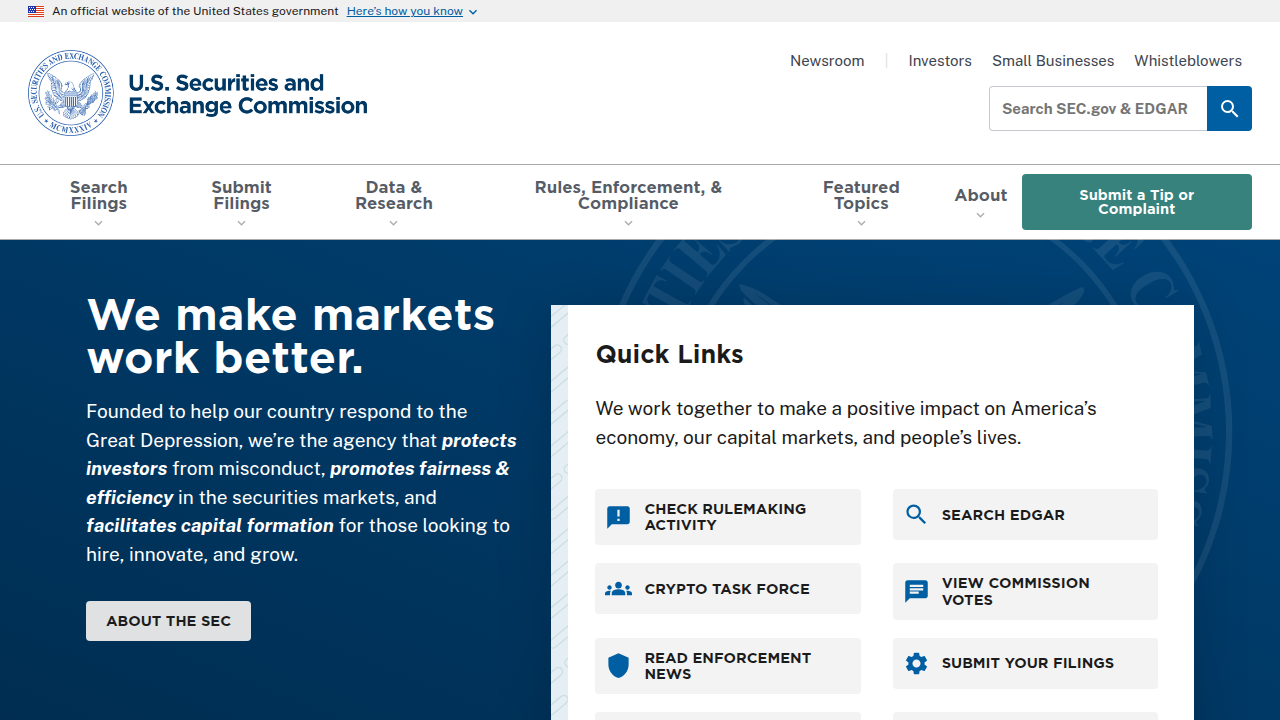
These papers give important clues about their business.
-
Regulatory Filings: The SEC website is a treasure trove of information. You can use their search tools to look up filings by company name [Search Filings]. For example, a "Form D" filing is a notice that a company is selling securities without needing to register them fully, which often happens when they are raising money for a new fund [SEC FORM D]. You can also find documents that show specific deals or changes, like one filed in early 2026 [EDGAR Filing Documents for 0002016822-26-000001]. These filings can show when they’ve closed a fund, like their latest Distressed Opportunity Fund XIII, or reveal details about their investment strategy. You can also sometimes find details about their investment adviser, such as information about Starwood Capital Group Management, L.L.C. [STARWOOD CAPITAL GROUP MANAGEMENT, L.L.C.].
-
Press Releases and News: Companies like Starwood Capital Group often put out press releases to announce big news, such as closing a new fund or making a major investment. Following financial news outlets and specific real estate industry publications can also give you insights. These stories can highlight their focus on areas like data centers, which we know is a big part of their plan right now.
-
Investor Presentations: While not always public, some investment firms share presentations with their limited partners (the investors in their funds). These presentations often detail their strategy, target investments, and performance. Sometimes snippets or summaries of these are reported in financial news.
What Signals to Look For
When you look through these sources, here’s what to pay attention to:
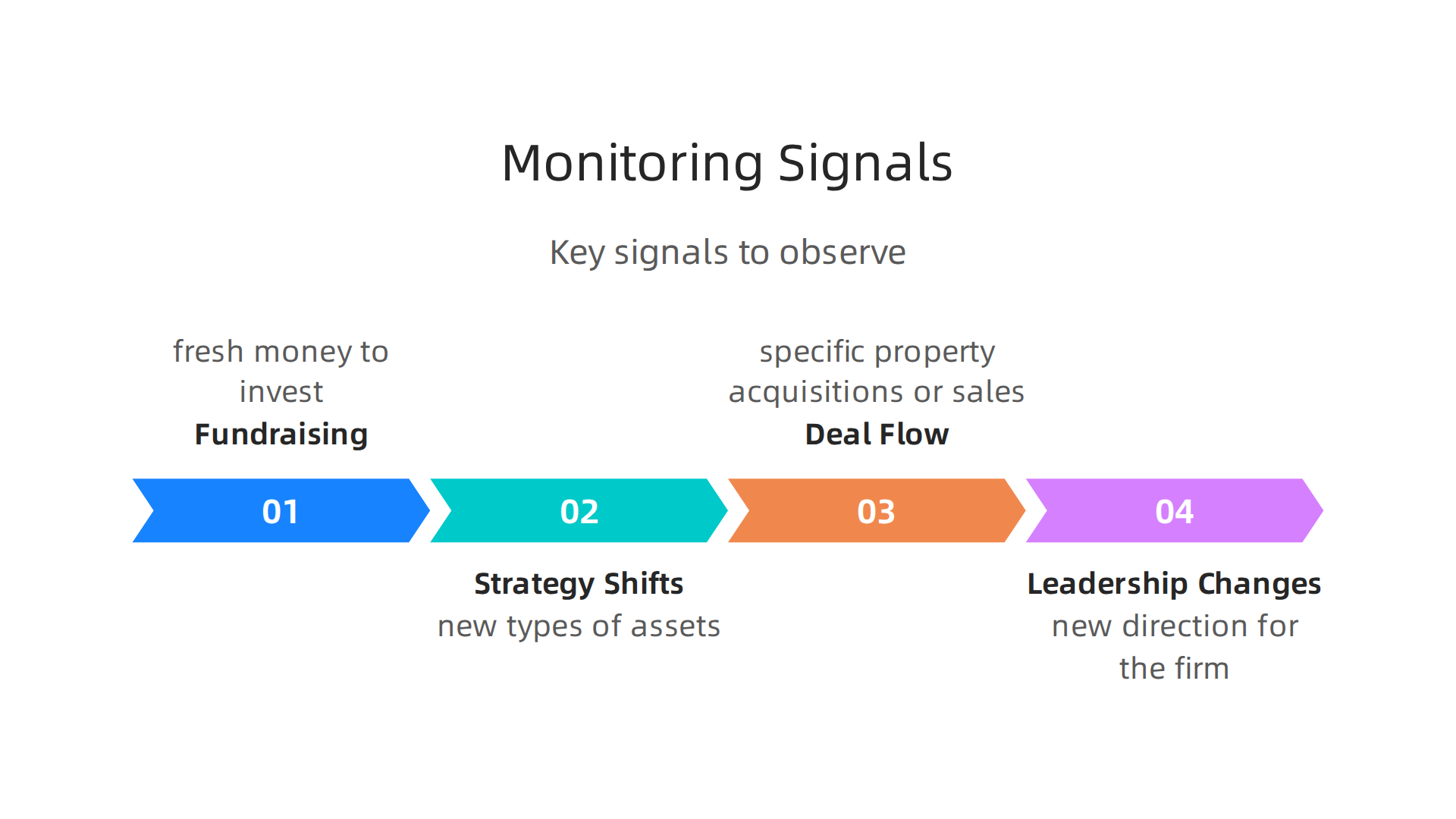
- Fundraising Activity: When Starwood Capital Group announces the closing of a new fund, it’s a big signal. It tells you they have fresh money to invest and gives clues about what kinds of assets they’ll be targeting. The size of the fund and what it’s named (like "Distressed Opportunity") can tell you a lot about their market outlook.
- Strategy Shifts: Watch for any mentions of new types of assets they are buying or selling, or changes in regions they are investing in. Their focus on data centers is a clear example of a strategic shift towards AI-driven opportunities.
- Deal Flow: News about specific property acquisitions or sales shows where Starwood Capital Group is actively putting money to work. This helps you understand their current portfolio and future plans.
- Leadership Changes: Sometimes, changes in top leadership can signal a new direction for the firm.
By regularly checking these different sources, you can get a good picture of how Starwood Capital Group and other large firms like Dragoneer Investment Group, Shore Capital Partners, or Momentum Funding LLC are navigating the investment world. For those interested in deeper dives into investment strategies, especially concerning AI, exploring resources like a comprehensive AI guide for investors can be very helpful.
Summary
This profile explains why Starwood Capital Group is a leading private investment firm and what investors and analysts should watch when evaluating it. The article outlines Starwood’s origin and legal structure, its diversified real-asset strategy across housing, hotels, offices, industrial, and credit, and how it uses closed-end funds, open vehicles, and separate accounts to deploy capital. It summarizes deal patterns — opportunistic purchases, multi-year hold periods, and varied exit routes — and highlights marquee assets and recent funds such as the $10.2B distressed vehicle and $2.86B in private credit vehicles. The piece breaks down key financial metrics like AUM (~$130B as of July 2026), fee and carried-interest economics, and how to read fund vintage performance. It also profiles leadership under Barry Sternlicht, recent hires, ownership structure, and the firm’s growing allocation to data centers tied to AI demand. Finally, it tells readers where to find reliable signals — SEC filings, press releases, and investor materials — so they can assess Starwood’s strategy and prospects themselves.