

Introduction – Why start a private equity firm now?
Starting a private equity firm in 2026 is an exciting idea, especially if you like finding new businesses and helping them grow.

Think of private equity as a way to "invest in private companies," often those that are not yet big names on the stock market. You might wonder, why now? Well, 2026 offers many chances, especially with new technology like AI changing how businesses work.
One big reason is opportunity. Many new companies are popping up, especially in the world of artificial intelligence. These companies need money to make their big ideas happen. A private equity firm can give them that money and also help them with smart ideas and leadership. This focus on AI allows for great "specialization." If you know a lot about AI, you can pick the best companies to invest in. This kind of focused "capital management services" helps your firm stand out. The timing is also good, as the AI market is growing very fast, making it a hot area for new investments. If you are looking for guidance on how to invest in this booming sector, you can find a lot of useful information in an AI Funding Playbook.

But starting a private equity firm isn’t all easy. There are some big hurdles. One is how tricky the rules can be. You need to follow many government rules about money and investing. This is called "regulatory complexity." Another big challenge is getting the money, or "fundraising challenges." You have to convince other wealthy people or big groups to trust you with their money to invest. It can be hard to build that trust at first. Lastly, there’s the "operational overhead." This means all the daily tasks like hiring people, doing paperwork, and making sure everything runs smoothly. It takes a lot of effort to set up and run a firm properly.
Despite these challenges, the rewards of building a successful private equity firm, especially one focused on high-growth areas like AI, can be great. For those keen on staying ahead of the curve in AI and technology, consider subscribing to The AI Newsletter Worth Reading.

To truly succeed in building your own firm and to effectively invest in private companies, you need to choose your special spot in the market. This is called "market positioning," and it’s all about figuring out your unique angle. It’s not enough to simply know how to start a private equity firm; you must also know where your firm fits.
Choosing Your Special Spot
When thinking about your market position, you’ll want to pick a focus area that matches what you are good at and what big investors (called LPs) want to put their money into.
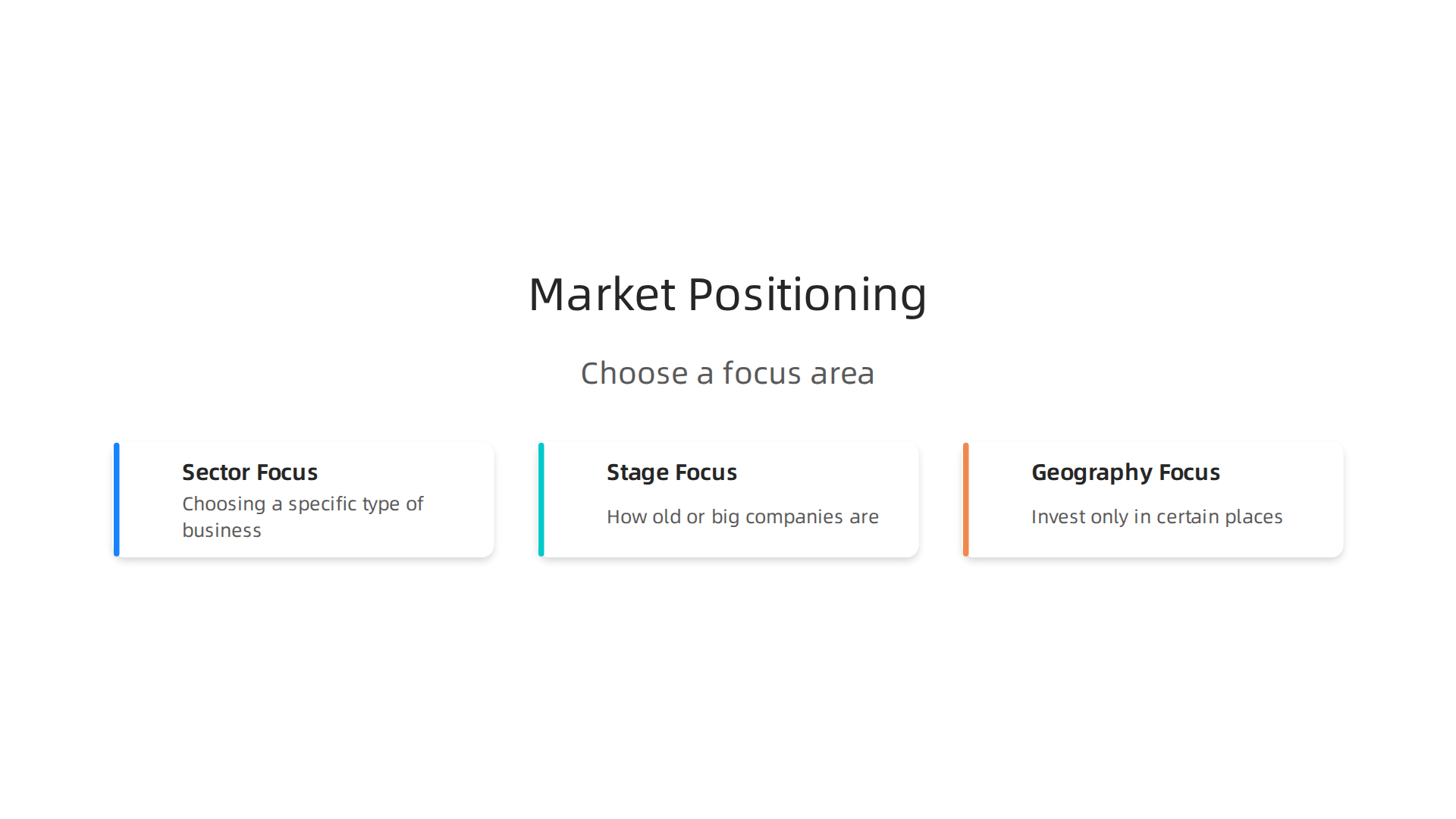
Here are some ways to find your special spot:
- Sector Focus: This means choosing a specific type of business. As we talked about earlier, AI is a booming area in 2026. You could choose to focus only on AI companies, or perhaps healthcare, clean energy, or software. Your past work experience and knowledge should guide this choice. For example, if you know a lot about how AI works in businesses, focusing on AI applications in 2026 makes a lot of sense.
- Stage Focus: This refers to how old or big the companies you invest in are.
- Early-stage companies are like tiny seeds, just starting out with big ideas. This is often called venture capital.
- Growth-stage companies are growing fast and need more money to get even bigger.
- Mature-stage companies are already big and steady but might need help becoming even better.
Your skills might be best suited for one of these stages.
- Geography Focus: You can also choose to invest only in companies in certain places, like North America, Europe, or even just one state or city. This helps you build strong local networks.
Picking a clear focus helps your firm stand out from others. It also makes it easier to talk to LPs, who often want to know that their money is going into an area where you have special knowledge. In fact, many LPs are becoming more specific in what they invest in, looking for managers with clear strategies rather than general ones, according to a 2026 report on Private Equity Fundraising.
Building Your Investment Idea
Once you know your special spot, you need to create an "investment thesis." Think of this as your secret recipe for success. It’s a clear story about:
- Why you will make good investments: What unique problems do you see that others miss? What opportunities will you grab?
- How you will find the best deals: This means your "deal sourcing hooks." Will you use your network? Will you look for companies in certain situations, like those needing a lot of hands-on help? A professional pitch deck and a clear investment strategy are crucial for attracting investors, as noted in a helpful video on How to Launch a Private Equity Fund in 2026.
- What makes you different: This is your "edge." Do you have special tools, connections, or ideas that no one else has? For example, your firm could offer unique capital management services to help companies grow after you invest.
In 2026, the fundraising market is slowly getting better, but LPs are still careful about where they put their money. They want to see real returns, not just promises, according to a Private Equity Fundraising in 2026 report. This means your investment thesis needs to be strong and show how you will actually make money for them. Having a strong focus, like on AI funds, and a clear plan helps build trust.
After you have your special idea for investing, the next big step is to make sure your firm is set up correctly in the eyes of the law. This means choosing the right legal structure, setting up your fund vehicles, and following all the rules. It’s a key part of learning how to start a private equity firm.
Legal Structure, Fund Vehicles, and Compliance Checklist
Think of your private equity firm as having a few important parts, like a house with different rooms, each with a job.
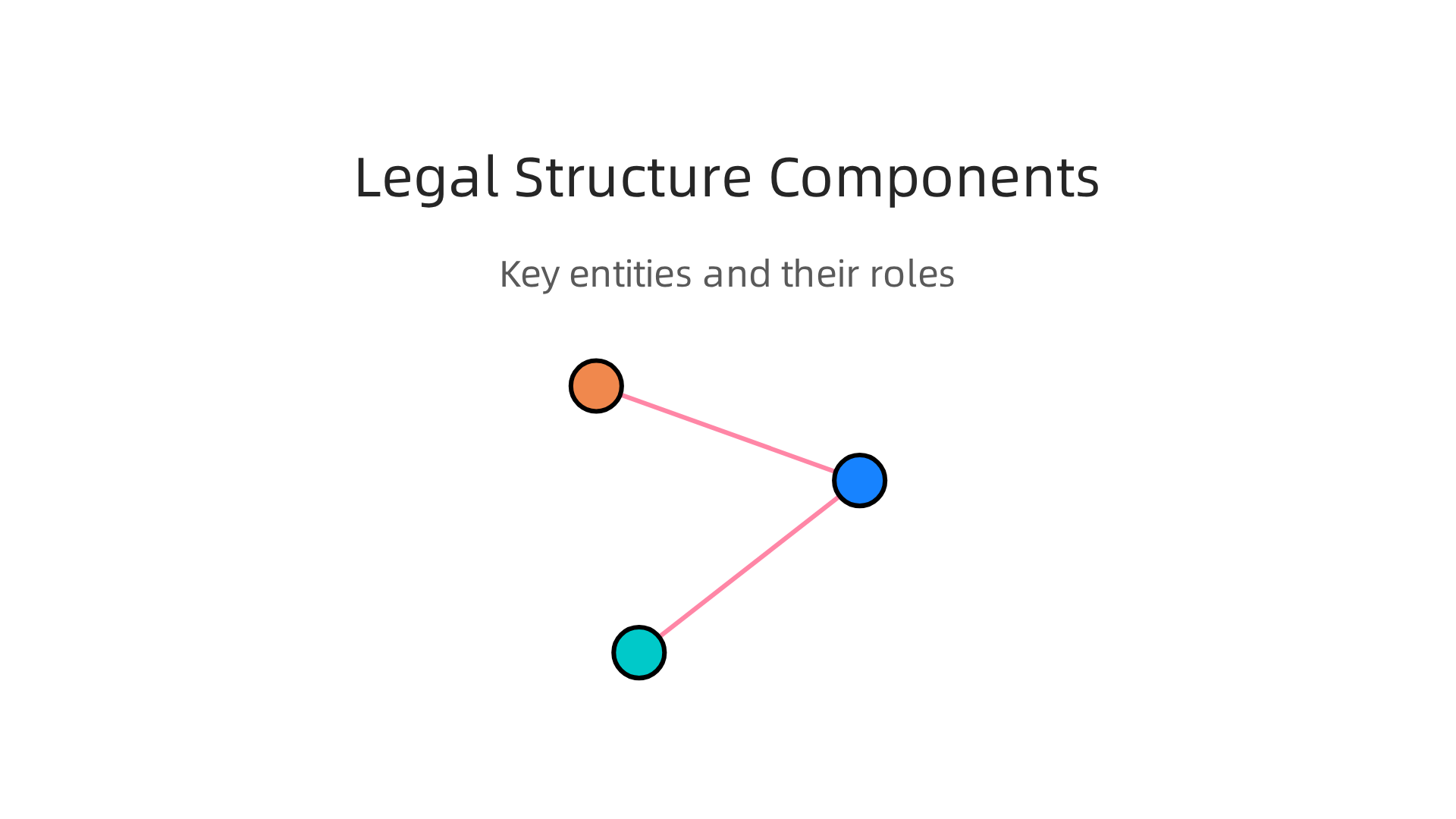
Setting Up Your Firm’s "Rooms"
-
The Fund: This is like the big pot of money where all your investors (LPs) put their cash. This "pot" is usually set up as a "limited partnership" or a "limited liability company" (LLC). The most common way is called a General Partner/Limited Partner (GP/LP) structure.
- General Partner (GP): This is you, the person or company running the fund. You make the investment decisions and manage everything. You also have more responsibility.
- Limited Partner (LP): These are your investors. They put in the money but don’t manage the day-to-day business. Their risk is usually limited to how much money they put in.
-
The Management Company: This is a separate business that gets paid to manage the fund. It handles the daily work, finds deals, and offers capital management services to the companies you invest in. It also takes care of things like paying salaries and office rent.
-
Special Purpose Vehicles (SPVs): Sometimes, for each big investment you make in private companies, you might set up a tiny new company just for that one deal. This is called an SPV. It helps keep things clear and separate. For instance, if you want to invest in private companies focused on AI, each AI company you invest in might get its own SPV.
Setting up these parts correctly from the start is very important.
Following the Rules: Your Compliance Checklist
Once your firm’s structure is decided, you need to make sure you play by the rules. The main goal here is to protect investors and make sure everything is fair and open.
-
Registering Your Investment Adviser: The company that gives investment advice (which is usually your management company) needs to register with a government body. This could be the SEC (Securities and Exchange Commission) or a state regulator, depending on how much money your firm manages. As of 2026, if your firm manages less than $25 million, you usually register with state regulators. If it’s between $25 million and $150 million, you might be able to register as an "Exempt Reporting Adviser" (ERA) with the SEC, which means less paperwork than full SEC registration. For those managing $150 million or more, full SEC registration is typically required, as noted in a guide on Venture Capital Compliance. It’s crucial to understand these thresholds as your firm grows.
-
Key Paperwork and Legal Steps:
- Offering Documents: These are the papers you give to potential investors. They explain everything about your fund, your investment idea, risks, and fees. This includes the Private Placement Memorandum (PPM).
- Partnership Agreement: This legal paper spells out the rules between you (the GP) and your investors (LPs).
- Anti-Money Laundering (AML) and Know Your Customer (KYC): These are important rules to stop illegal money activities. You’ll need to check who your investors are to make sure they are legitimate, which is a common practice when starting a private fund.
- Ongoing Rules: Even after you set up, you’ll have rules to follow regularly. This includes keeping good records, reporting to the SEC or state, and having a plan for tricky situations. In 2026, staying on top of these rules is key, as highlighted by many reports on Investment Funds 2026.
Making sure all these legal and compliance steps are handled properly from the beginning is very important. It helps build trust with your investors and avoids problems down the road. If you are focused on things like AI investments, understanding the latest AI funding playbook can also help you prepare for the specific questions investors might have regarding compliance in that sector.
After setting up your firm’s legal structure and making sure you follow all the rules, the next big step is to find money for your fund. This part of learning how to start a private equity firm is all about fundraising and building good relationships with your investors, also known as Limited Partners (LPs). Your first close is a key moment when you get your first set of commitments.

Fundraising Strategy & LP Relations: Building your first close
Finding the right investors for your fund is like finding the right people to help build your dream house. You need to know who to ask and how to tell them about your plans.
Who Are Your Investors? (LP Types)
Not all investors are the same. Different types of LPs look for different things:
- Institutional Investors: These are big organizations like pension funds, university endowments, and insurance companies. They often have large amounts of money to invest. In 2026, global pension funds usually put 10% to 14% of their money into private equity, and endowments average 15% to 20%, according to some reports on institutional LP allocation trends in 2026.
- Family Offices: These groups manage money for very wealthy families. They can be very flexible and quick to make decisions.
- High-Net-Worth Individuals (HNWIs): These are individuals with a lot of money to invest. They might be looking for ways to grow their wealth over time.
- Strategic Investors: Sometimes, a company might invest in your fund because it helps their own business goals.
The Fundraising Journey and Timelines
Raising money for a private equity fund takes time. A "first close" is when you secure enough money from your first group of investors to start making investments. It’s an exciting moment.
In 2026, the time it takes to raise money for a fund has changed. For new managers trying to raise less than $500 million, it can take 16 to 20 months to close a fund, which is longer than in past years. This is part of the overall picture of Private Equity Fundraising Statistics (2026).
Preparing Your Pitch Materials
To get investors interested, you need to show them a clear picture of your fund and how you plan to make money.
- Your Story and Strategy: This means putting together a "pitch deck" that tells who you are, what kind of companies you want to invest in private companies, and how you plan to make their money grow.
- Due Diligence Package: Investors will want to check everything about your firm. This includes detailed information about your team, your past successes (your track record), and all the legal papers. Showing clear realized returns, known as DPI (Distributions to Paid-in Capital), is very important. Many LPs in 2026 are asking for proven returns, not just promises, as noted in the Private equity: US Deals 2026 midyear outlook.
- Private Placement Memorandum (PPM): As discussed before, this is a formal legal document that gives potential investors all the details about your fund, including risks and fees.
Building a Realistic First-Close Plan
The fundraising environment in 2026 is seeing a careful comeback, but it’s not easy. Many LPs plan to keep investing in private equity, but they are more careful with their money, preferring to maintain rather than greatly increase their commitments, according to a report on the global private markets in 2026.
You’ll want to set clear goals for your first close. Who are your most likely investors? Can you find "anchor investors" who commit a large amount of money early on? This helps build confidence for other investors. Staying informed about the current market is crucial.
For professionals tracking the most important AI companies and looking for market intelligence, get clear daily AI updates from The AI Newsletter Worth Reading. This can help you understand the market for specialized funds, like those focusing on AI.
After securing your first round of investor money, the next big step for how to start a private equity firm is to find good companies to invest in. This part is all about choosing the right businesses for your fund. It involves looking for deals, checking them quickly, and then doing a deep dive into the ones that seem promising.
Investment Strategy: Deal Sourcing, Screening & Due Diligence
Finding the best companies to invest in is very important for any private equity firm. It’s how you make money for your investors and grow your fund. This process needs a smart plan.
Building Smart Deal Flow: How to Find Companies
"Deal flow" means all the potential investment opportunities that come your way. To build a strong flow of deals, you need good ways to find companies.
Here are some common ways private equity firms find deals in 2026:
- Networking and Referrals: Building relationships with bankers, lawyers, and other business advisors can lead to many good opportunities. They often know about companies looking for investors.
- Direct Outreach: Sometimes, you might directly contact companies that fit your investment ideas, even if they aren’t actively looking for money. This is called "proprietary sourcing" and can lead to special deals. A playbook for this kind of sourcing often includes specific steps like direct outreach and working with broker networks to find unique opportunities, as shared in a Deal Sourcing Playbook for Proprietary Opportunities (2026).
- Deal Marketplaces: These are online platforms where companies list themselves for sale or for investment.
- Thematic Sourcing: You might decide to focus on a certain type of business or industry, like those using AI. Then you look for companies within that specific area. Staying up to date on new technologies and market trends can help you connect with AI startups in 2026 using data and platforms.
- Technology Tools: In 2026, many firms use special software and AI to help find deals faster and more easily. These tools can scan lots of data to spot good fits. Some of the Best Tools for Private Equity Deal Sourcing in 2026 use AI to improve this process.
Building a good deal flow means having a steady stream of possible investments. It requires constant effort and a clear idea of what you are looking for.
Screening Potential Investments
Once you have a list of possible deals, you can’t look at every single one in deep detail. That would take too much time and money. So, the next step is "screening." This is a quick check to see if a company truly fits your fund’s investment goals.
During screening, you will look at things like:
- Industry Fit: Does the company work in the types of industries you want to invest in?
- Financial Health: Does it have good sales and profits?
- Growth Potential: Does it have room to grow bigger and make more money?
This stage helps you narrow down the list to only the most promising options for further review.
Deep Dive: Due Diligence Framework
"Due diligence" is the most important part of checking a company before you invest. It’s a very thorough investigation to make sure everything about the company is as it seems. This deep dive helps you find any hidden problems or risks.
Private equity due diligence in 2026 usually covers several key areas:
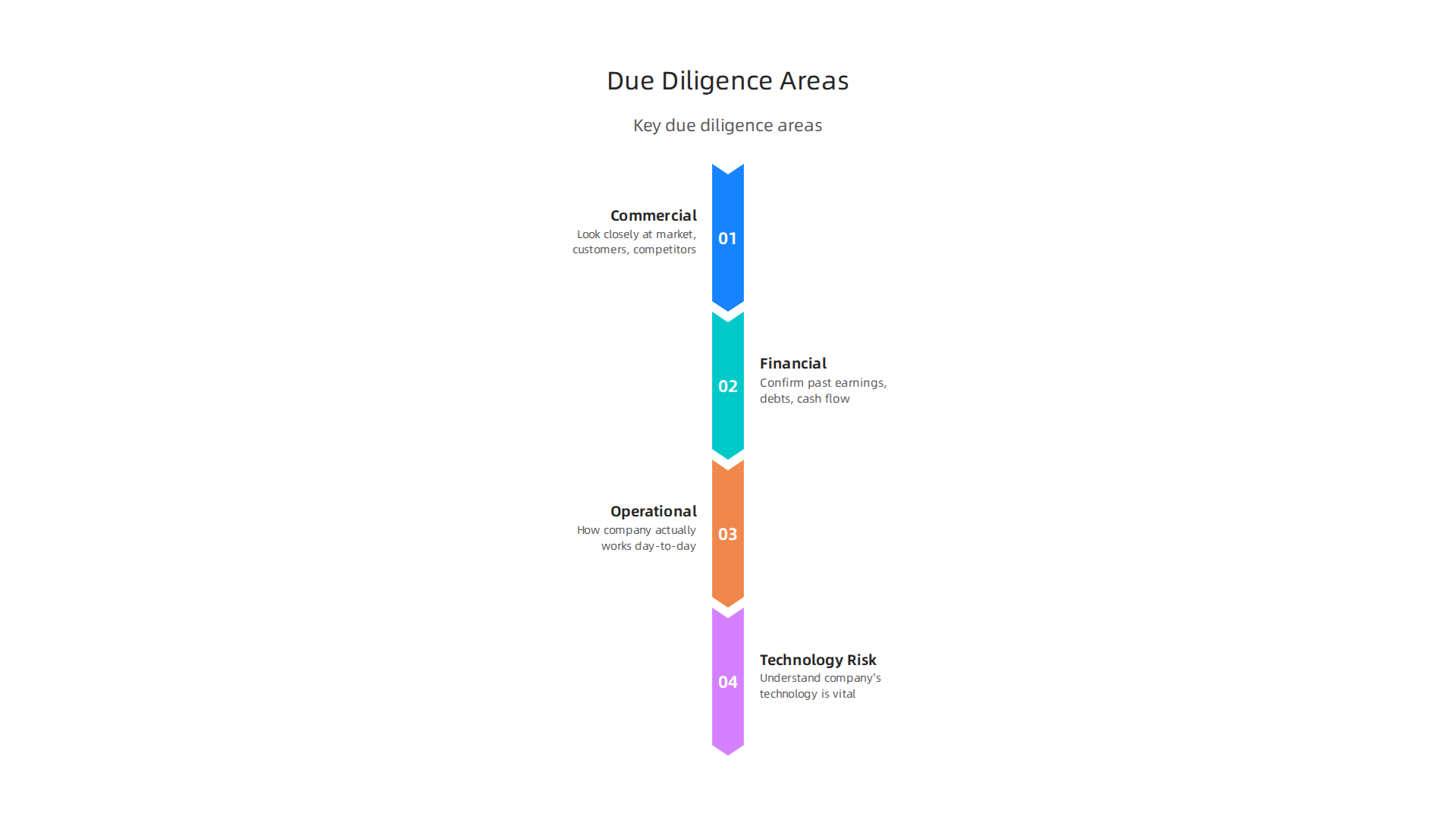
- Commercial Due Diligence: You look closely at the company’s market, its customers, and how it stacks up against competitors. You want to know if its products or services are truly needed and can grow.
- Financial Due Diligence: This is a careful check of the company’s money matters. You confirm its past earnings, debts, and cash flow to make sure the numbers are real and stable.
- Operational Due Diligence: You look at how the company actually works day-to-day. This includes things like its factories, supply chain, and efficiency. It helps you see how things could be made better. A good look at operational due diligence in private equity checks things like supply chain efficiency and IT systems, according to a report on Operational Due Diligence in Private Equity: Process & Best Practices.
- Technology Risk Assessments: Especially in today’s world, understanding a company’s technology is vital. You check their software, patents, and how safe their data is. This helps you understand future growth and possible issues.
Doing due diligence right is crucial. It helps you make a smart decision and avoid bad investments. There are many important steps, from setting up a clear investment idea to checking all legal details, as outlined in Navigating Private Equity Due Diligence: 15 Best Practices [2026]. It’s how you protect your fund and ensure your capital management services are well-placed.
After thoroughly checking potential investments, the next crucial step for any private equity firm is setting up its core team and operations. This foundational work ensures your fund can manage its investments, meet legal requirements, and serve its investors well. It’s how you put the pieces in place to effectively manage capital.
Operational Setup: Team, Fund Ops, and Service Providers
To make sure your private equity firm runs smoothly, you need the right people and the right tools. This means building a strong team and choosing good partners to handle important tasks. When you are looking at how to start a private equity firm, this operational side is just as key as finding deals.
Building Your Core Team
Your firm’s success largely depends on the people you hire. Here are the main roles you’ll need:
- General Partner (GP): This is usually the person or small group of people who started the firm. They make the big decisions, set the investment strategy, and manage the fund.
- Investment Team: These are the people who find new companies to invest in, do the deep checks (due diligence), and work with the companies after investment to help them grow. They are crucial for helping your fund successfully invest in private companies.
- Back-Office Functions: This team handles the daily paperwork, accounting, and other support tasks. They make sure the firm follows all the rules and keeps track of all the money.
It’s important to know that anyone managing private funds as an investment adviser will likely need to register with the Securities and Exchange Commission (SEC) or a state regulator. However, if your fund manages less than $150 million in U.S. assets, you might be able to get an "Exempt Reporting Adviser" (ERA) status, which has fewer registration requirements with the SEC. You can learn more about these rules in a guide to Fund formation legal and compliance. Staying up-to-date on compliance is vital for all fund managers, including those in Venture Capital Compliance.
Choosing Your Fund Operations and Service Providers
Many private equity firms choose to outsource certain jobs to expert companies. This allows the core team to focus on finding and managing investments.
Key service providers include:
- Fund Administrators: These companies handle the day-to-day accounting, investor reporting, and other operational tasks for your fund. They track all transactions and make sure each investor’s money is correctly recorded. Fund administrators provide core services like internal accounting and bookkeeping for your fund in 2026, as detailed in a report on the best fund admins for emerging VCs. Outsourcing these duties is common so the General Partner can focus on investing, according to a guide on Private Investment Funds Governance.
- Custodians: These are banks or financial institutions that safely hold your fund’s assets, like stocks or other investments.
- Auditors: Independent auditors check your fund’s financial records each year to make sure they are accurate and follow all rules.
- Legal Counsel: Lawyers help you set up your fund correctly, make sure you follow all laws, and prepare all the legal documents needed for investments.
Deciding between doing these tasks yourself (in-house) or hiring outside experts (outsourcing) depends on your firm’s size and budget. Many new private equity firms find outsourcing to be a smart move, helping them stay lean and focus on their main goal: smart investing. For those interested in how private equity firms interact with new technologies, exploring insights on Your Guide to AI Funds Featuring Brightstar Capital Partners can provide a broader perspective on modern capital management services.
After setting up your firm and bringing on the right people and partners, the real work of a private equity firm begins: making the companies you invest in more valuable. This is called "value creation," and it’s a huge part of how to start a private equity firm that truly succeeds. It’s not enough to just buy companies; you need a clear plan to help them grow and thrive.
Value Creation Playbook: Portfolio Operating Model and GTM Support
A value creation playbook is like a detailed guide for improving the companies in your fund. It focuses on several key ways to boost their worth. When you invest in private companies, your goal is to help them become stronger, more profitable, and ready for bigger things.

This involves more than just money; it includes hands-on help and smart strategies.
Main Ways to Create Value
Private equity firms use different strategies, or "levers," to make their portfolio companies more valuable:
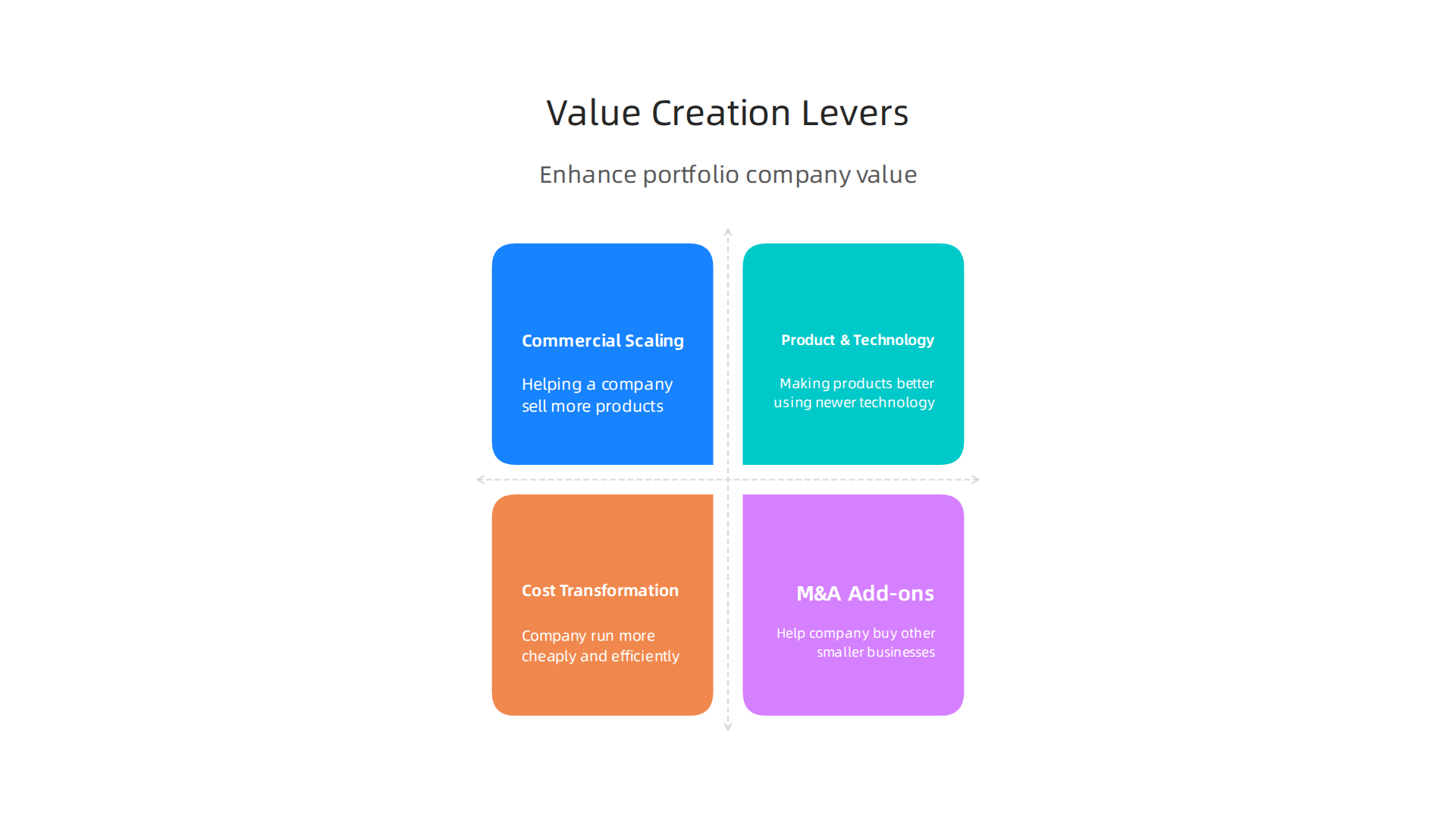
- Commercial Scaling: This means helping a company sell more products or services. It can involve finding new customers, entering new markets, or making the sales team work better.
- Product and Technology Improvements: Many companies can grow by making their products better or by using newer technology. This might mean updating old systems, adding new features, or using smart tools like AI to make things run smoother. If you want to dive deeper, you can explore insights on Your Guide to Artificial Intelligence Implications for Business Strategy in 2026 to see how modern tech can boost businesses.
- Cost Transformation: This is about finding ways to make a company run more cheaply and efficiently without hurting its quality. It could involve better supply chain management, streamlining operations, or cutting unnecessary expenses. A thorough look at a company’s inner workings, known as Operational Due Diligence in Private Equity, helps uncover these improvement areas.
- Mergers & Acquisitions (M&A) Add-ons: Sometimes, the best way to grow a company is to help it buy other smaller businesses. These "add-on" acquisitions can expand its market share, bring in new technologies, or add skilled teams.
Tracking Progress and Making Changes
To make sure these value creation efforts are working, private equity firms closely track important numbers, known as Operational KPIs (Key Performance Indicators). These might include sales growth, profit margins, customer satisfaction, or efficiency rates.
Firms also create "playbooks" for putting changes into action. These playbooks are step-by-step guides that the fund’s team and the company’s leaders follow together. For example, a playbook for cost transformation might list specific steps for auditing expenses and implementing new budgeting tools. The ability to identify these opportunities is often rooted in the detailed analysis done during Private Equity Due Diligence, which helps establish a clear value-creation plan from the start.
Working closely with the company’s management is key. The private equity firm brings its experience and resources, while the company’s leaders provide their deep knowledge of the business. Together, they guide the company towards its growth goals, ensuring the firm’s capital management services lead to meaningful improvements.
After a private equity firm works hard to boost the value of the companies it owns, the next step is about how the firm and its investors actually get paid. This involves understanding fees, how profits are shared, and planning for when to sell the companies. These are all key parts of how to start a private equity firm that is fair and successful for everyone involved.
How Private Equity Firms Make Money
Private equity firms get paid in two main ways: through fees and through a share of the profits.
- Management Fees: These are like a yearly payment for the private equity firm’s work. It helps cover their costs, like paying staff and running the office. Usually, this fee is a small percentage of the money managed in the fund. For example, the old rule was around 2% each year. However, in 2026, these fees have been changing. Reports show that private equity management fees have actually gone down for new funds, sometimes hitting new lows in 2025 and continuing into 2026. This means firms might get about 1.7% for buyout funds or even less for newer managers looking to attract investors Private equity management fees hit new low in 2025.
- Carried Interest: This is the private equity firm’s share of the profits when they sell a company for more than they paid for it. It is often called "carry." The typical deal is "2 and 20," meaning the firm gets 2% in management fees and 20% of the profits. But this profit share usually only kicks in after the initial investors have made a certain amount of money back What Is Carried Interest? 2026 Guide to PE ….
Hurdle Rates and Aligning Goals
A "hurdle rate" is like a minimum profit level. Investors must earn a certain return on their money before the private equity firm can take its share of the carried interest. This rule helps make sure that the goals of the firm (called the General Partner or GP) and the goals of the investors (called Limited Partners or LPs) are the same. Both want the investment to do very well. This method helps the firm provide strong capital management services that truly benefit their clients.
The Exit Strategy: Selling Companies for Profit
When a private equity firm decides to invest in private companies, the plan is always to sell them later for a good profit. This is called the "exit strategy." It is how the firm returns money to its investors, often with a nice bonus. Planning for the exit is just as important as choosing which companies to buy.
Here are the main ways private equity firms "exit" their investments:
- Strategic Sales: This means selling the company to another business that wants to grow or add its products and services.
- Initial Public Offerings (IPOs): An IPO is when a private company sells its shares to the public for the first time on a stock market. This can bring in a lot of money, but IPOs have been less common recently.
- Secondary Market Transactions: Sometimes, a private equity firm will sell its ownership in a company to another private equity firm. This is often done through special funds called "continuation funds." These types of sales have become very important, especially as IPOs and other traditional sales have slowed down Rethinking PE Rewards: Carried Interest and Co-Investment …. Experts believe that these secondary markets will become even more common in 2026, helping firms manage their investments and lower risks Private Equity Outlook 2026: Durable Recovery Begins.
Staying Informed in a Changing Market
The world of private equity is always changing, with new trends in fees, investment strategies, and technology. Staying up-to-date on these changes is vital for anyone who wants to learn how to start a private equity firm or simply understand the industry better. Get clear daily AI updates from The AI Newsletter Worth Reading.
Summary
This article is a practical guide to starting a private equity firm in 2026, with special attention to opportunities in AI and other high-growth sectors. It walks you through choosing a clear market position (sector, stage, geography), building a focused investment thesis, and structuring the firm with the right fund vehicles and compliance processes. The guide explains how to plan fundraising and reach a first close, how to source and diligence deals efficiently, and which operational hires and service providers to use. It also outlines a value-creation playbook—commercial scaling, product/tech upgrades, cost transformation and add-on M&A—and describes how firms earn management fees and carried interest and execute exits. Readers will come away knowing the practical steps, timelines, and documents required to launch, run, and grow a credible private equity fund in today’s market.