

Why investors and founders need a reliable guide to AI funds and partners
The world of Artificial Intelligence (AI) is growing at a super fast speed in 2026. Because of this rapid change, it can be hard for both people who invest money and those who start new companies to keep up. Everyone wants to be part of the next big AI thing. But finding the right investment partners and understanding where to put your money can feel like a maze.

It’s not just about finding any money; it’s about finding smart money. This means partnering with funds that truly understand AI, its special needs, and its huge potential. These specialized AI investment funds and strategic partnerships play a very important role. They help new AI companies grow and guide investors to make good choices. But with so many options, how do you pick the best one?
This article is here to be your clear guide. We will give you simple, useful information that helps you understand the world of AI investments. We will especially look at Brightstar Capital Partners and how they fit into this important area.
Brightstar Capital Partners is a private equity firm that focuses on working with companies that are closely held or family-owned, often in the middle market of business services, industrials, and technology sectors, including those leveraging AI breakthroughs Brightstar Capital Partners Company Profile. They have a long history, with their founder, Andrew Weinberg, having more than 30 years in finance Andrew Weinberg, Founder and CEO of Brightstar Capital …. The firm itself was founded in 2015 and has grown significantly since then Brightstar Capital Partners.
Our goal is to give you what you need to know. We’ll offer smart, clear advice on how to look at different AI funds, whether it’s Brightstar Capital Partners, or other firms like firstmark capital, k&s capital, aj capital partners, or beacon capital partners. You will learn what makes a good AI fund stand out. This includes how they invest, their track record, and how they help companies grow beyond just money.
Staying informed about the latest in AI and investment strategies is key. For a deeper dive into how different types of funds operate, check out our guide on AI startup investors.
As you navigate this fast-changing landscape, having up-to-date information is crucial. Get clear daily AI updates to help you make sense of it all. You can subscribe to The AI Newsletter Worth Reading. This way, you will always have the latest insights to guide your decisions in 2026.
Brightstar Capital Partners stands out in the investment world because of how it works. While many firms might chase the newest, smallest AI startups, Brightstar has a different path. It’s a private equity firm, meaning it usually invests in companies that are already somewhat established, often those that are closely held or family-owned. They focus on businesses in the middle market, which are not tiny startups but not huge corporations either.
The firm’s stated focus includes business services, industrial companies, and technology. This can, of course, include companies that use big ideas in AI. Brightstar Capital Partners has a sizable presence, managing over $5 billion in assets as of July 2022 and nearly $4.85 billion by December 2025 [Brightstar Capital Partners Names Marcelo Claure as Partner and Co-Chair](https://finance.yahoo.com/news/brightstar-capital-partners-names-marcelo-130000810.html, https://radientanalytics.com/firm/adv/brightstar-capital-partners-283313). They are based in New York City but also have offices in other places like Denver and West Palm Beach BRIGHTSTAR CAPITAL PARTNERS | Form ADV – Radient Analytics.
What Brightstar Capital Partners Invests In
When we look at what Brightstar Capital Partners actually does, we see they usually make "control-oriented" investments. This means they often buy a big part of a company, giving them a lot of say in how it’s run. They work with strong management teams to help these companies grow. For example, some of their recent deals include buying a company called Erdman in June 2026, which helps with architecture and design for healthcare and senior living Brightstar Capital Partners Acquisitions & Investments. They have also invested in companies like PlayAGS, which makes gaming equipment, and Simon Eye, a healthcare provider Brightstar Capital Partners – Private Equity Firm Profile. These types of investments show they look for ways to improve businesses, including by using modern tools like AI to make them better and more efficient.
Where Brightstar Fits in the AI Investment World
Unlike some pure venture capital firms like firstmark capital or specialized AI funds, Brightstar Capital Partners is not typically investing in the very first stages of brand-new AI technology. Instead, they are more like a growth fund for established businesses that can use AI to get even better. They are a private equity firm that supports companies by helping them use AI as a tool to improve what they already do well. This is different from, say, a firm like k&s capital or aj capital partners, which might focus more on early-stage tech, or beacon capital partners, which could have a broader real estate focus.
In short, Brightstar Capital Partners helps companies that are ready to take their next big step, often leveraging AI to reach new levels of success. This strategy is valuable because it helps make AI part of many different kinds of businesses, not just those made only for AI. Learning about different types of investors can help you see the whole picture. For more details on this, you might explore our guide on top venture capital portals for AI startups in 2026.
Investment thesis: sectors, stages, and signal criteria
Brightstar Capital Partners has a clear idea of where they like to put their money.

Their investment strategy is all about finding established companies that have a lot of room to grow. They look closely at businesses in three main areas: business services, industrial companies, and technology. Within these areas, they are keen on companies that can use new tools, especially artificial intelligence (AI), to become even better at what they do.
Instead of hunting for brand-new AI ideas in their earliest stages, Brightstar Capital Partners prefers to invest in companies that are already working well. They want to see how these businesses can use AI to make their operations smoother, serve customers better, or create new products from existing strengths. This is different from what venture capital firms, such as firstmark capital or k&s capital, might do. Those firms often look for very early-stage AI startups that are still proving their core technology.
What Brightstar Looks For in Investments
Brightstar Capital Partners focuses on what are called "middle market" companies. These are businesses that are not tiny startups but also not giant corporations. They make what they call "control-oriented" investments. This means they usually buy a big enough part of a company to have a strong say in its direction. They do this because they want to work closely with the company’s leaders to help it grow and improve.
When they decide whether to invest, Brightstar looks for certain signals:
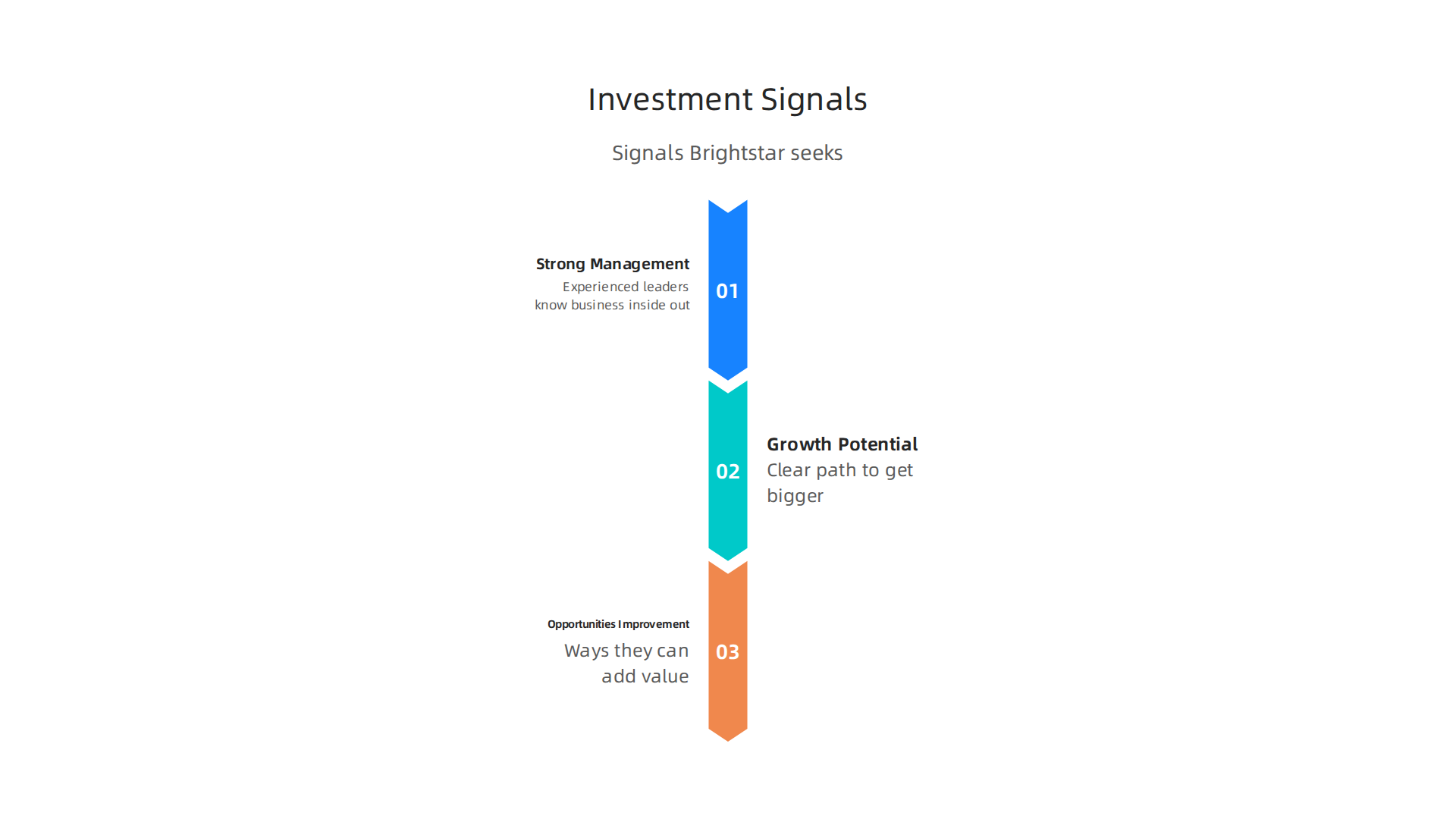
- Strong Management Teams: They want to partner with experienced leaders who know their business inside and out.
- Growth Potential: The company should have a clear path to get bigger and make more money. This might involve expanding into new markets or offering new services.
- Opportunities for Improvement: They look for ways they can add value. This could be by making operations more efficient, helping the company acquire other businesses, or bringing in new technology like AI to boost performance.
For example, a company that provides helpful services to other businesses might be a good fit if Brightstar sees how AI can automate some of its tasks or analyze customer data to offer better support. This allows the business to get more efficient and grow without completely changing what it does.
It’s important to know that what Brightstar looks for is quite different from the strict rules that many venture capitalists use for AI-first startups in 2026. For those startups, investors often check for very specific things like the team’s deep AI knowledge, how easy it is for their product to be copied, or if they have special data that no one else has Pitching Your AI Start-up: What Venture Capitalists Are Looking For in AI Business Models in 2026. They might also check if the company has a strong financial performance, like meeting certain levels of yearly income or showing good customer loyalty AI Startup Funding in 2026: Where the Money Is and How to Get It.
Brightstar, however, is more interested in how an already successful company can use AI as a tool for extra growth, rather than being an AI company from the start. They see AI as a way to unlock more value in the businesses they buy.
If you are a business leader thinking about how AI can help your company, you might want to learn more about enterprise AI software in 2026 a guide for business leaders. Understanding how established companies use AI can give you a lot of ideas.
Keeping up with all the changes in the AI world can be tough. Why not get straight to the point?
The AI Newsletter Worth Reading
After understanding how Brightstar Capital Partners chooses what to invest in, the next step is to look at their actual performance. This means checking their portfolio and seeing how well their investments have done over time. It is not just about the big wins, but also about the overall picture of their work.
What to Look for in a Firm’s Portfolio
When you want to see if a private equity firm like Brightstar Capital Partners is doing a good job, you look at their collection of investments, called a portfolio. You want to see how these companies are growing and if the firm is selling them for a good profit.
Brightstar Capital Partners manages a lot of money, with nearly $4.85 billion in assets as of December 31, 2025 BRIGHTSTAR CAPITAL PARTNERS | Form ADV – Radient Analytics. They also successfully raised their second fund, closing it at $1.27 billion Brightstar Capital Partners Closes Fund II at $1.27 Billion Hard Cap. These numbers are important, but they are just one part of the story.
Here are some deeper things to consider:
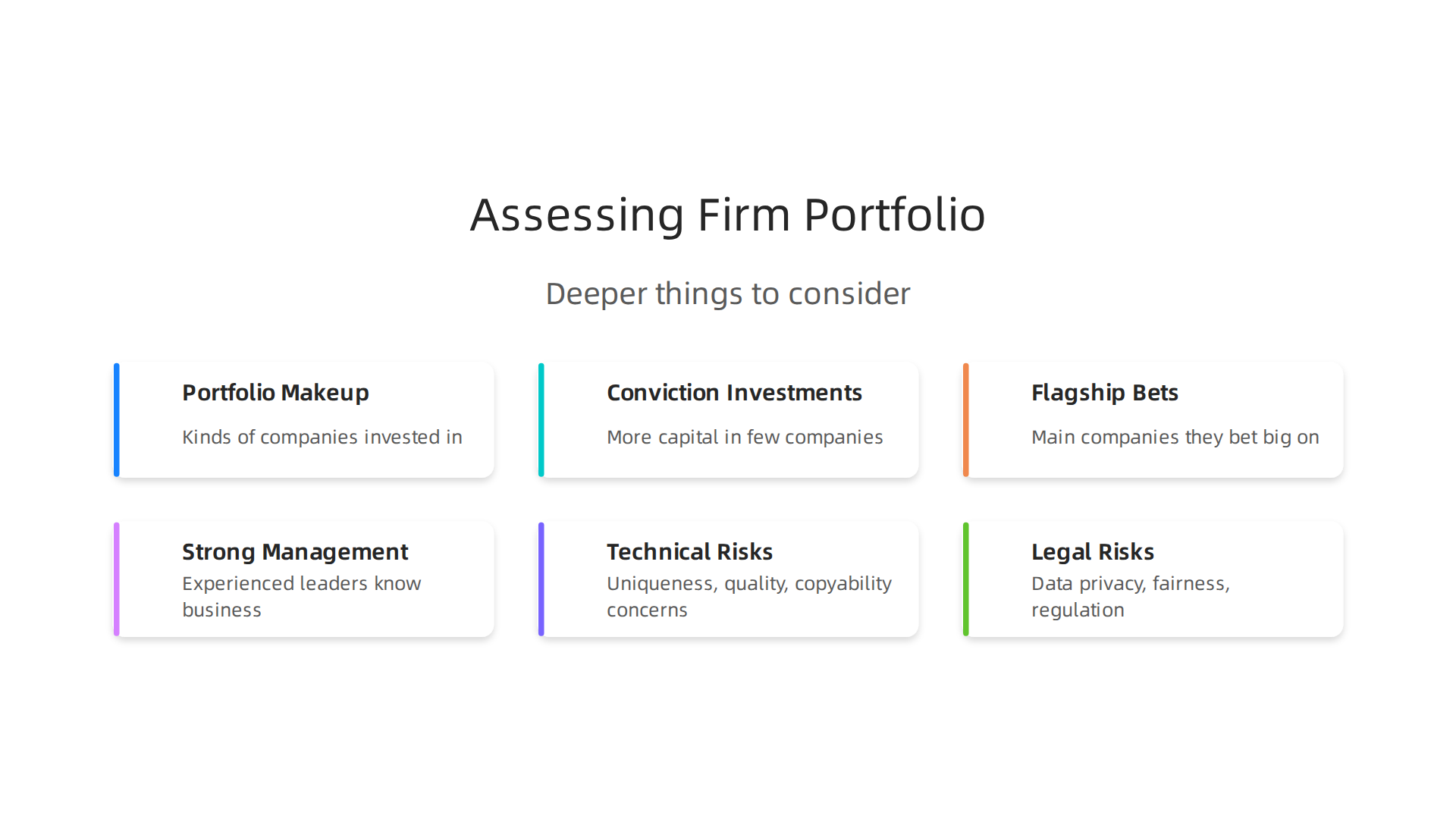
- Portfolio Makeup: Look at the kinds of companies
brightstar capital partnersinvests in. Do they match what they say they focus on? For Brightstar, this means seeing companies in business services, industrial sectors, and technology that are already established. - Conviction through Follow-On Investments: This means seeing if the firm puts more money into the same companies later on. If Brightstar Capital Partners invests more in a company they already own, it shows they really believe in its future. It means they have strong "conviction."
- Flagship Bets: Every firm has a few main companies they bet big on. These are their "flagship bets." For
brightstar capital partners, these would be the companies where they commit the most resources and time. How these main investments perform tells you a lot about the firm’s overall strategy and success.
Beyond Just Returns
While how much money an investment makes is key, it is also good to look at other signs of success. These are called qualitative indicators.
- Helping Companies Grow: Brightstar Capital Partners doesn’t just give money. Because they aim for "control-oriented" investments, they get to work closely with the company leaders. They help improve how the business runs, maybe by making things more efficient or by bringing in new tools like AI. This hands-on approach should lead to stronger, better businesses, not just quick profits.
- Smart Exits: "Exits" are when the firm sells a company it invested in. It is not just about making a profit, but also how smoothly and smartly they sell. Good exits show they picked the right companies and helped them grow in a way that makes them attractive to other buyers. For Brightstar, this means finding new homes for those middle-market companies they helped improve with technology and good management.
Understanding how private equity and venture capital firms make their choices and measure success can be tricky. If you want to learn more about how all sorts of investors look at companies, check out the 2026 comprehensive AI guide for investors founders and analysts. It can help you see the bigger picture.
After looking at how firms like Brightstar Capital Partners find and help companies grow, we should also talk about the important friendships and connections they make. These connections are called partnerships. They are very important for any firm, especially those dealing with the fast-growing world of AI.
Partnerships: LP relationships, corporate partnerships, and strategic alliances
Private equity firms like Brightstar Capital Partners do not just invest their own money. They also manage money for others. These other people or groups are called Limited Partners, or LPs. LPs give money to the firm, and the firm invests it. Think of LPs as the quiet partners who provide the funds, trusting the firm to make smart choices. This is one of the main ways private equity firms get their capital.
Here are some common ways AI funds work with others:
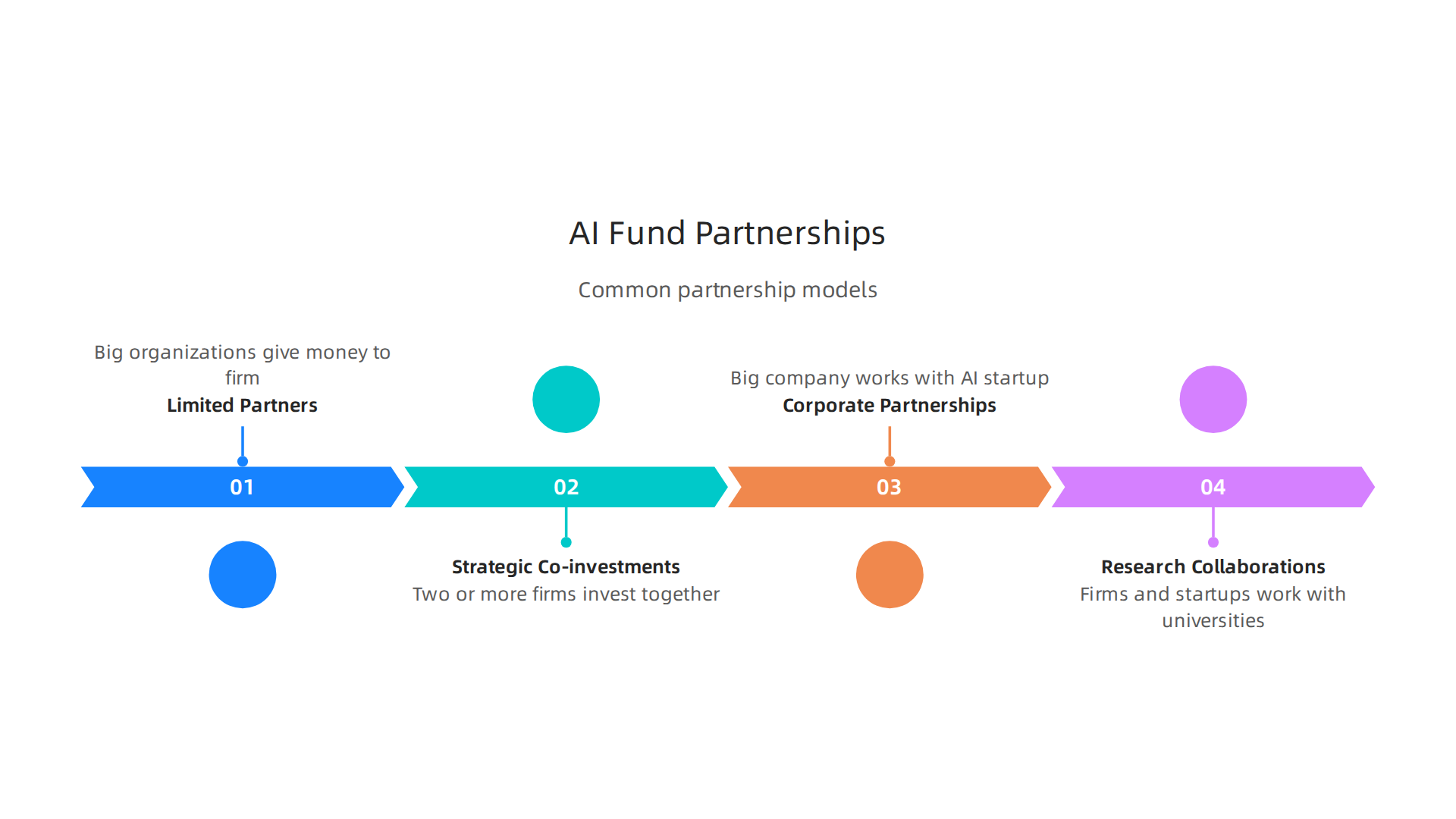
- Limited Partners (LPs): These are often big organizations like pension funds, university funds, or wealthy families. They put their money into funds run by firms like
brightstar capital partners.- Pros for the firm: This gives the firm a lot of money to invest.
- Pros for LPs: They get to invest in many different companies without doing all the hard work themselves. They hope to get good returns.
- Cons for LPs: They have less say in how the money is invested day-to-day.
- Strategic Co-investments: Sometimes, two or more investment firms, or even a big company, will put money into the same startup together. This is a "co-investment." It means they share the risk and also the rewards. For example,
brightstar capital partnersmight team up with another firm or a large corporation that wants to see the startup succeed.- Pros for founders (the startup owners): They get more money, and sometimes, the partner company can also bring customers or special knowledge.
- Pros for the investment firm: They can take on bigger projects or share special skills.
- Cons for founders: They might have more people to answer to.
- Corporate Partnerships: This is when a big company works with an AI startup in ways other than just investing money. Maybe the big company uses the startup’s technology, or they help test new ideas. This can be a strong way for AI startups to grow.
- Pros for startups: They get help, customers, or useful feedback from a bigger company.
- Pros for corporations: They get access to new technology or ideas without having to build them from scratch.
- Research Collaborations: Especially in AI, firms and startups might work with universities or research groups. This helps them stay at the very front of new ideas and discoveries. These types of partnerships are becoming more important as AI rapidly changes.
The world of AI investing is booming. In the first three months of 2026 alone, AI startups grabbed around $242 billion. That was about 80% of all the venture money invested globally during that time Q1 2026 Shatters Venture Funding Records As AI Boom Pushes Startup Investment To $300B.
This huge amount of money means many investors are looking for the best ways to partner and grow.
Understanding the different types of investors, from angel investors to big institutional funds, can help you see why these partnerships are so important. You can learn more about these different groups in our guide on AI startup investors: how angels, VCs, CVCs, and institutional funds differ.
Staying up to date with all these changes and partnerships is key. Get clear daily AI updates and valuable insights from The AI Newsletter Worth Reading.
After firms find good partnerships, the next big step is to look very closely at the companies they might invest in. This careful checking is called "due diligence."

It’s how firms like brightstar capital partners make sure their money and their Limited Partners’ money are safe, especially in the fast-moving world of AI.
Due diligence and risk management for AI investments
Checking out an AI company is different from checking other types of companies. AI brings its own set of special things to look at. Firms like firstmark capital or k&s capital need to understand risks that are not just about business or money. They also need to look at the technology itself and any rules that apply to AI.
Here are the main types of risks firms think about:
1. Technical risks for AI
This looks at the actual AI technology. Is it truly new and special, or is it just using common tools in a simple way? Investors want to see real AI, not just "AI-washing" where a company pretends to have strong AI. They ask:
- Is the AI unique? Does it have its own special data or new ways of working? Firms want to know if the company’s value is more than just using someone else’s AI tool. A company’s main strength should not just be a simple layer over another AI system. What makes it special and hard for others to copy?
- How good is the AI? Investors check how well the AI models actually work. They look at things like how accurate it is, how fast it works, and how much it costs to run.
- Who built it? Investors look for teams that know a lot about AI. They want to see engineers who have done real AI research or built AI systems before. For example, the team should have deep AI skills combined with a good understanding of the business it serves.
- Can it be easily copied? How difficult would it be for another company to make something similar? Investors want AI that has a strong defense against others building the same thing.
2. Business risks in AI
Even with great technology, an AI company needs to make money and grow well. Firms like aj capital partners look at:
- How does it make money? Is there a clear plan for how the AI product will bring in steady income?
- Is it growing fast enough? Investors check sales and customer numbers. For instance, in 2026, top AI companies often show around 121% net dollar retention, meaning existing customers spend more over time. Companies seeking Series A funding often need over $3 million in yearly recurring revenue and fast monthly growth.
- Is it using money wisely? This means checking how much money the company spends compared to how much new money it makes. This is called the "burn multiple."
3. Legal and rule risks for AI
AI is still new, and governments are creating rules for it. Firms like beacon capital partners must check these points carefully:
- Data use and privacy: How does the AI company collect and use its data? Are they following all the rules about privacy and data protection? Investors will ask if companies can keep their data private and safe.
- Fairness and bias: Is the AI fair? Does it make unfair choices because of how it was trained? Investors look to see if companies have rules in place for how employees use AI tools and what kind of data can be put into them.
- Legal agreements: This includes checking who owns the AI technology and if customer contracts clearly state who is responsible for what the AI creates.
- Safety and security: Does the company have good plans to keep the AI safe from attacks or problems? Firms check for things like strong cybersecurity controls.
- New laws: Investors keep an eye on new laws, like the EU AI Act, to make sure the company follows all future rules.
A practical due diligence checklist
When investors look at an AI company, they often have a checklist. This helps them cover all the important areas. For example, a common way to audit an AI company uses a "5-Layer AI Target Audit" which looks at the data, the AI model, the technology it runs on, what it produces, and how it is managed. Investors also look for an 18-item checklist to cover things like policies, testing for bias, where data comes from, and if the company is ready for new rules.
These checks help firms like brightstar capital partners understand the true value and potential problems of an AI investment. It is a big part of how they manage risk and aim for success. Learning more about this helps you Master investing in AI startups and understand the industry better. You can also dive deeper with The 2026 comprehensive AI guide for investors, founders, and analysts.
After checking individual AI companies closely, it’s also important to look at the whole market. Where is the most money flowing in AI right now? What are the big trends in 2026? Knowing this helps firms like brightstar capital partners see the bigger picture and find new chances to invest.
Market trends, where AI capital is flowing in 2026, and opportunities to watch
In 2026, the world of AI investing is seeing huge growth. It’s a very exciting time. Just in the first three months of 2026, called Q1, AI companies globally took in a massive amount of money. Some reports say AI startups gathered about $242 billion, which was about 80% of all venture money worldwide during that time Q1 2026 Shatters Venture Funding Records As AI Boom Pushes Startup Investment To $300B. Another report showed that AI funding hit $255.5 billion in Q1 2026, even more than all of 2025 Q1 2026 AI funding blows past 2025 total with three deals accounting for 67% of capital. This shows how fast AI is growing and how much trust investors have in it.
Experts believe that the total money spent on AI around the world will keep growing. It is expected to reach over $2 trillion in 2026, moving towards $3.3 trillion by 2029 State of AI 2026 – AI Market Size, Investment, and Industry Data. This means there are many chances for investors to find valuable projects.
Where the money is going
So, which parts of AI are getting all this attention and money?
- Generative AI Continues to Lead: This is still a very hot area. Generative AI tools are those that can create new things, like writing stories, making pictures, or even writing computer code. Many big investments are still going into these types of companies.
- Physical AI is Rising: Beyond software, a lot of new money is going into "Physical AI." This includes companies that build robots, defense technology, and self-driving systems. Around 11% of all AI deals in Q1 2026 were for these types of companies State of AI Q1’26 Report. Firms like firstmark capital and k&s capital are keenly watching these areas, looking for the next big breakthrough.
- AI Infrastructure: Money is also flowing into companies that build the basic tools and systems needed for AI to work. This means powerful computers, special chips, and ways to manage huge amounts of data. Without this infrastructure, the fancy AI models can’t run.
Opportunities to watch
For investors, these trends point to clear opportunities.

- New Uses for Generative AI: Look for companies finding clever new ways to use Generative AI in everyday life or in businesses. This could be in areas like personalized education, new types of customer service, or creating content much faster.
- Smart Robots and Automation: The rise of Physical AI means more chances in robotics, drones, and self-operating machines. These can change how factories work, how things are delivered, and even how we keep places safe. Firms like beacon capital partners might look at how these technologies can solve real-world problems.
- Better AI Tools: Investing in the "picks and shovels" of the AI gold rush is also smart. Companies that make AI models better, faster, or safer will always be in demand.
- AI for Specific Industries: Many firms, including aj capital partners, are finding success by focusing on how AI can deeply change one specific industry, like healthcare, finance, or agriculture. Instead of general AI, they look for AI that solves a unique problem for a certain type of business.
Keeping up with these fast-moving trends is key for anyone investing in AI. To learn more about who the major players are, you can read about The Biggest AI Companies in 2026 and the Trends Reshaping the Industry. You can also discover Top AI Startups 2026 that are shaping the future.
If you want to stay updated on all these changes, there’s a great way to do it. Get clear daily AI updates from The AI Newsletter Worth Reading.
Summary
This article is a practical guide for investors and founders navigating AI-focused funds and strategic partners in 2026, with a close look at Brightstar Capital Partners as an example. It explains why