

Imagine you have built an incredible AI product. The technology works. Customers love it. But you cannot get a meeting with the right investor. That frustration is real for thousands of founders every year. The right introduction at the right time can change everything.

AI startup funding hit record levels in 2025. According to the AI Software Valuation Report 2026, AI-native companies now command a median 21.2x EV/Revenue in VC rounds. That is much higher than traditional software companies. The money is out there.
But here is the problem. Getting access to that money is harder than ever. Investors are flooded with pitches. They have less time to look at random emails. That is where a venture capital portal comes into play.
A good VC portal acts like a bridge. It connects you with investors who actually care about your space. It filters out the noise. It helps you find the right match based on stage, sector, and geography. Without one, you are basically throwing darts in the dark.
This guide was built for founders, investors, and analysts navigating the AI space in 2026. We will look at the top VC portals tailored for AI companies. You will learn how to evaluate them, which features matter most, and how to use them to speed up your fundraising.
If you are new to investing in startups or looking at top dtc startups with AI roots, the same principles apply. You need a platform that surfaces real opportunities.
To get started on the right foot, consider checking out our guide on master investing in AI startups your 2026 guide. It covers everything from deal sourcing to due diligence.
And if you want daily curated updates on the AI market, do not miss this resource.
The AI Newsletter Worth Reading delivers clear daily AI updates straight to your inbox. It helps you stay ahead of funding trends and new platform launches without the noise.
What Is a Venture Capital Portal and Why It Matters for AI Startups
A venture capital portal is a digital marketplace that connects startups with investors who might fund them. Think of it as a matchmaking service for fundraising.

Instead of cold emailing hundreds of investors and hoping for a reply, you list your startup on a portal. Investors browse these platforms to find deals that match their thesis.
For AI startups, finding the right investor is even more critical. AI companies need a lot of money to build models, buy GPUs, and hire top talent. According to the Artificial Intelligence report from Dealroom, funding into AI startups has grown nearly tenfold over the past five years, reaching $216.1B in 2025. That is a huge pool of capital, but it is also very concentrated. Most of that money goes to a small number of high profile deals. A good portal helps you get in front of the right investors before they are fully committed elsewhere.
AI investors also need deep domain expertise. They cannot just look at generic metrics. They need to understand model architecture, training data, and deployment costs. A venture capital portal that specializes in AI can filter for investors who already know this space. That saves you from pitching to people who will never say yes.
Portals also reduce information asymmetry. Without a portal, startups have to guess which investors are actively deploying capital and what stage they prefer. Investors have to manually hunt for deals through their networks. A portal shows clear signals: who is funding, at what stage, and in what sector. This speeds up the entire process. When both sides have better information, deals close faster. That matters in 2026, where speed can be the difference between getting funded or missing the window.
Some portals even host startup competitions or virtual pitch events to surface the best young companies. These competitions give you exposure to multiple investors at once and often come with prize money or follow on funding opportunities.
If you are interested in investing in startups in the AI space, you can also use these portals to find deal flow. The same tools that help founders raise money help investors source quality opportunities.
For a deeper look at how to use data and platforms to connect with AI startups, check out our guide on connect with ai startups in 2026 using data and platforms. It walks through practical steps for both founders and investors.
Key Features to Look for in a Venture Capital Portal
Not every venture capital portal delivers the same value. Some are simple directories. Others are full fundraising engines. To save time and avoid bad matches, you need a portal that does more than list names. Here are the features that separate great portals from average ones.
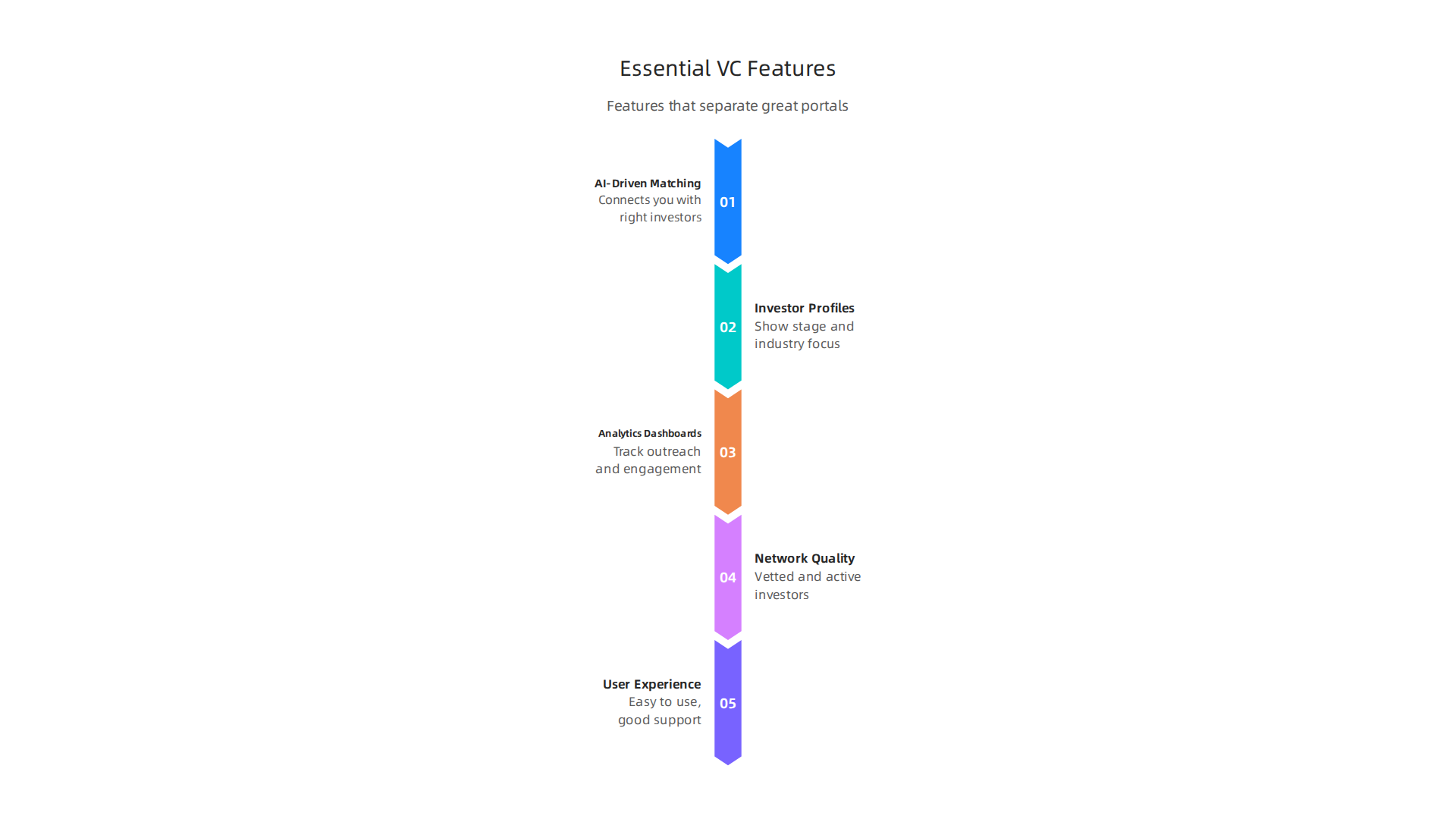
AI-Driven Matching
A good portal uses artificial intelligence to connect you with the right investors. Instead of scrolling through hundreds of profiles, the platform learns what your startup does and suggests investors who fund companies like yours. The AI can match on industry, stage, location, and even check size. For AI startups, this is huge. You need investors who understand your business. Portals with smart matching cut out the noise. According to the latest Venture Capital in 2026 data from Fidelity, VCs are being more careful than ever about where they put money. That means you need to target the right ones from the start. AI matching helps you do that.
Detailed Investor Profiles
You should not have to guess what an investor wants. The best portals include full profiles that show:
- Preferred stage (seed, Series A, growth)
- Industry focus (healthcare, AI, clean tech)
- Typical check size
- Portfolio companies
- Partner bios and investment style
When you see a profile that matches your startup, you know the conversation has a real chance. This saves both sides time. It also helps you prepare a better pitch because you know what they care about. To understand the different types of investors you might find in these profiles, check out this guide on ai startup investors how angels vcs cvcs and institutional funds differ.
Analytics Dashboards
Fundraising is a numbers game. You need to track who you have contacted, who responded, and what the next step is. A strong venture capital portal gives you a dashboard that shows your progress. You can see how many investors viewed your profile, how many requested meetings, and even compare your metrics to other startups on the platform. This turns fundraising from a messy process into something you can measure and improve.
Network Quality and Investor Vetting
Not all investors on a portal are worth your time. Look for platforms that vet their investors. Some portals only accept accredited investors or require proof of active investing. Others work with top venture firms. A vetted network means every connection has real potential. You will also find portals that run startup competitions to surface the best deals. These events attract serious investors who are ready to fund. If you are investing in startups yourself, a high-quality network helps you find deals that meet your criteria.
User Experience and Support
The portal should be easy to use. You do not want to fight the software while trying to raise money. Look for clean design, fast loading times, and good customer support. Some portals offer onboarding calls or pitch coaching. Others have help centers with templates and advice. These extras make a big difference, especially if you are a first-time founder.
Picking the right venture capital portal is one of the smartest moves you can make in 2026. A good match can cut your fundraising time in half. A bad one just wastes it.
To stay on top of which AI companies are raising and what smart investors are watching, get a daily update from a trusted source. Subscribe to The AI Newsletter Worth Reading for clear, timely insights you can actually use.
Top Venture Capital Portals for AI Companies in 2026
You now know what features matter. So which platforms actually deliver them? Here are five venture capital portals that work well for AI companies in 2026.
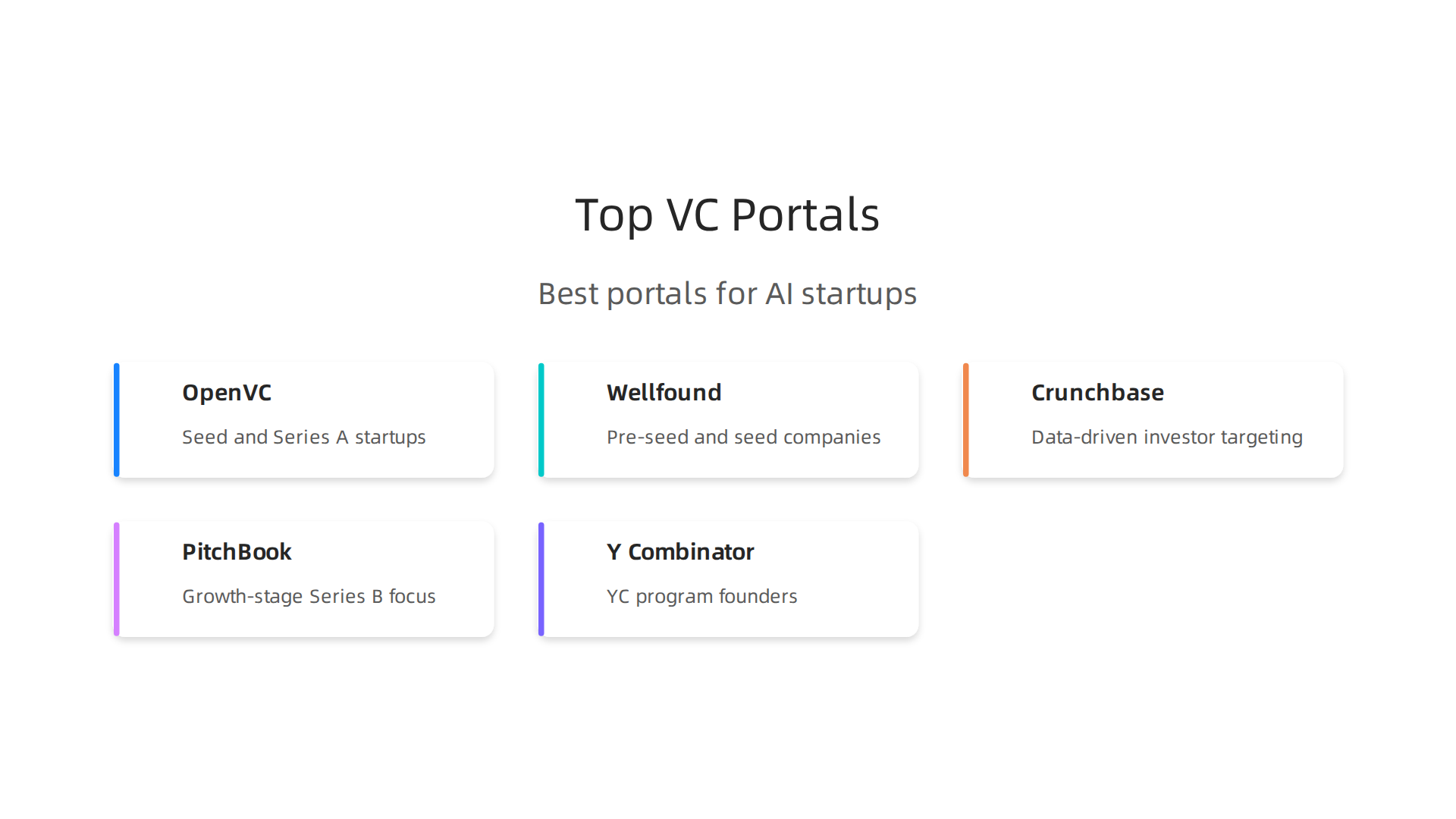
Each has different strengths, so the right one depends on your stage, industry focus, and fundraising style.
1. OpenVC
OpenVC is built for founders who want direct access to investor lists without paying a fortune. It offers a searchable database of funds with filters for stage, check size, and industry focus. The platform maintains a dedicated list of AI investors that covers seed through Series B. OpenVC also lets you see which investors are actively deploying capital right now. That matters because timing is everything in fundraising. For a quick look at who is writing checks in AI, check out the Top AI Investors & VC Firms for Startups in 2026 page on OpenVC.
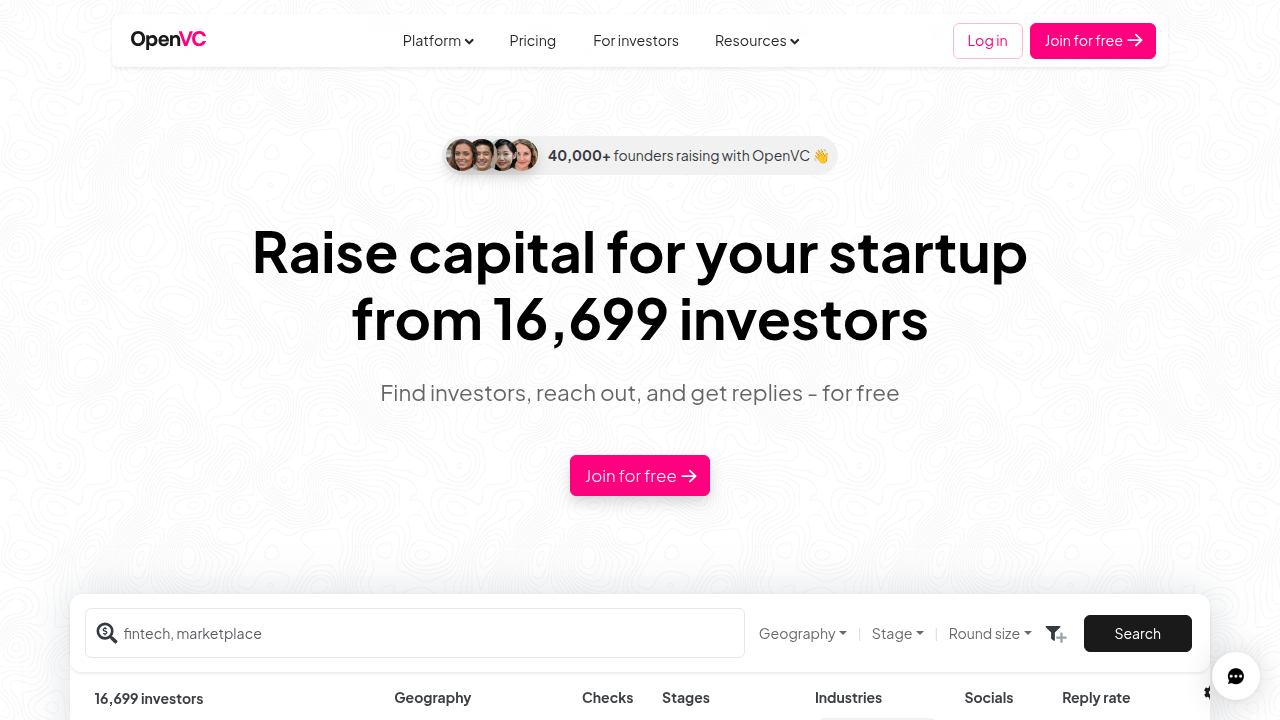
Best for: Seed and Series A AI startups that want to contact investors directly without high subscription costs.
2. Wellfound (formerly AngelList)
Wellfound is still the largest startup fundraising platform by user base.
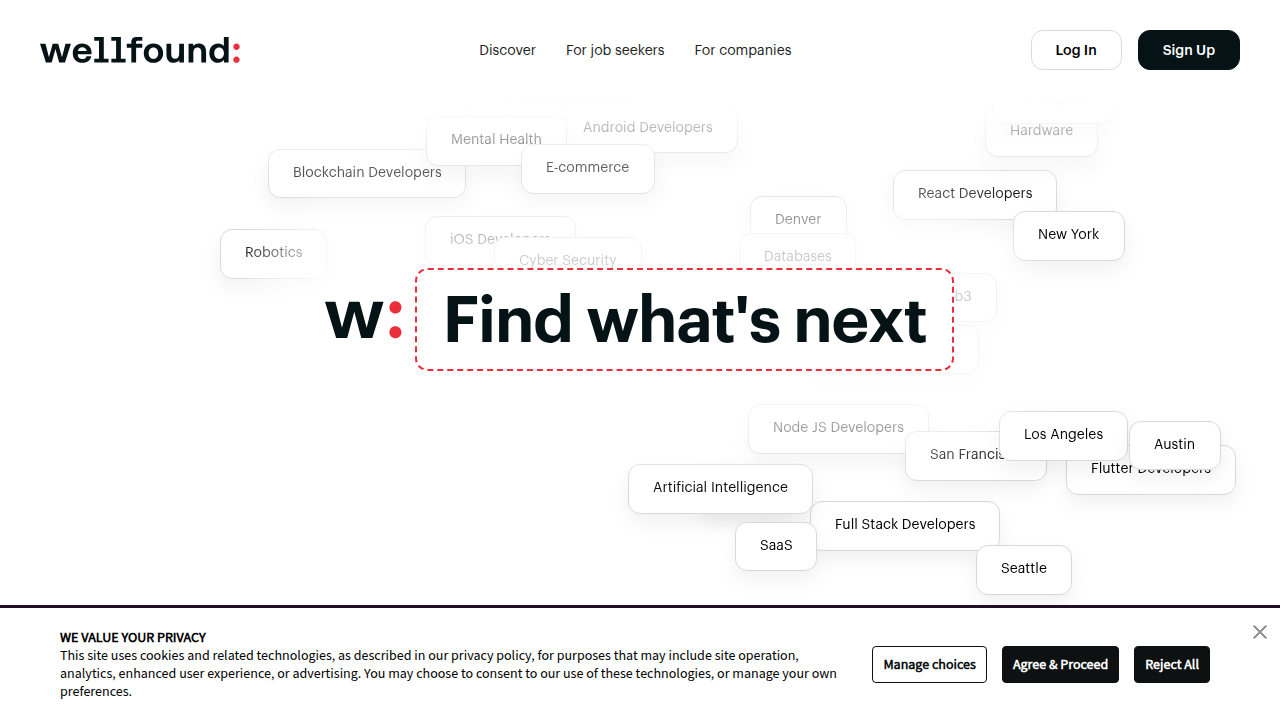
Thousands of AI companies have profiles there. Investors browse the platform daily looking for deals. The big advantage is visibility. If you have a strong profile and traction, investors may reach out to you first. Wellfound also handles equity and cap table management once you close a round. The platform is free to join, which makes it a no-brainer for early-stage AI startups.
Best for: Pre-seed and seed AI companies that want maximum exposure with minimal cost.
3. Crunchbase
Crunchbase started as a data company, but its investor matching tools have improved a lot.
You can see who funded similar AI companies, how much they invested, and which partners led the deals. The platform also sends alerts when new funding rounds happen in your space. That helps you track which investors are active in AI right now. According to recent data from AI Venture Funding 2026: Where the $242B Went, 80% of all global venture funding went to AI companies in Q1 2026 alone. Having Crunchbase on your side helps you spot those dollars fast.
Best for: AI founders who want data-driven targeting and competitive research.
4. PitchBook
PitchBook is the premium option. It is expensive, but the depth is unmatched. You get detailed fund performance data, partner backgrounds, and historical investment patterns. For AI companies raising Series B or later, PitchBook helps you identify which firms have the capital and the thesis to write large checks. The platform also shows you which investors have backed competitors, so you can target them with a strong differentiation story.
Best for: Growth-stage AI companies raising Series B and beyond with larger budgets for fundraising tools.
5. Y Combinator Bookface and Dealflow
If you are a Y Combinator graduate or currently applying, the YC internal network is one of the most powerful venture capital portals in the world. YC has funded hundreds of AI companies. The alumni network is active. Investors in the YC Dealflow platform include top-tier firms like Sequoia, A16Z, and Benchmark who specifically look at YC companies first. Going through YC gives you access to a concentrated group of investors who trust the filter. Many AI startups on the Top AI Startups 2026 list from topstartups.io are YC-backed, which shows the power of this network.
Best for: Founders who are in or applying to Y Combinator and want warm introductions to top investors.
How to Choose the Right Portal
Your stage and goals should guide your choice. If you are at seed stage, start with Wellfound and OpenVC. If you are raising a larger round, invest in PitchBook or Crunchbase. If you can get into YC, use that network as your primary source. Many smart founders use two or three portals together to cover different angles. For a deeper look at how to evaluate and approach the right investors with confidence, read this guide on master investing in ai startups your 2026 guide. It will help you turn portal connections into real conversations.
How to Optimize Your Startup Profile on VC Portals
Once you have chosen the right venture capital portal for your AI startup, your next step is making your profile stand out. Investors on these platforms see hundreds of companies every month. You only get a few seconds to grab their attention.

Here is how to build a profile that turns views into conversations.
Focus on Three Core Pillars
Every investor looks for the same three things in your profile.
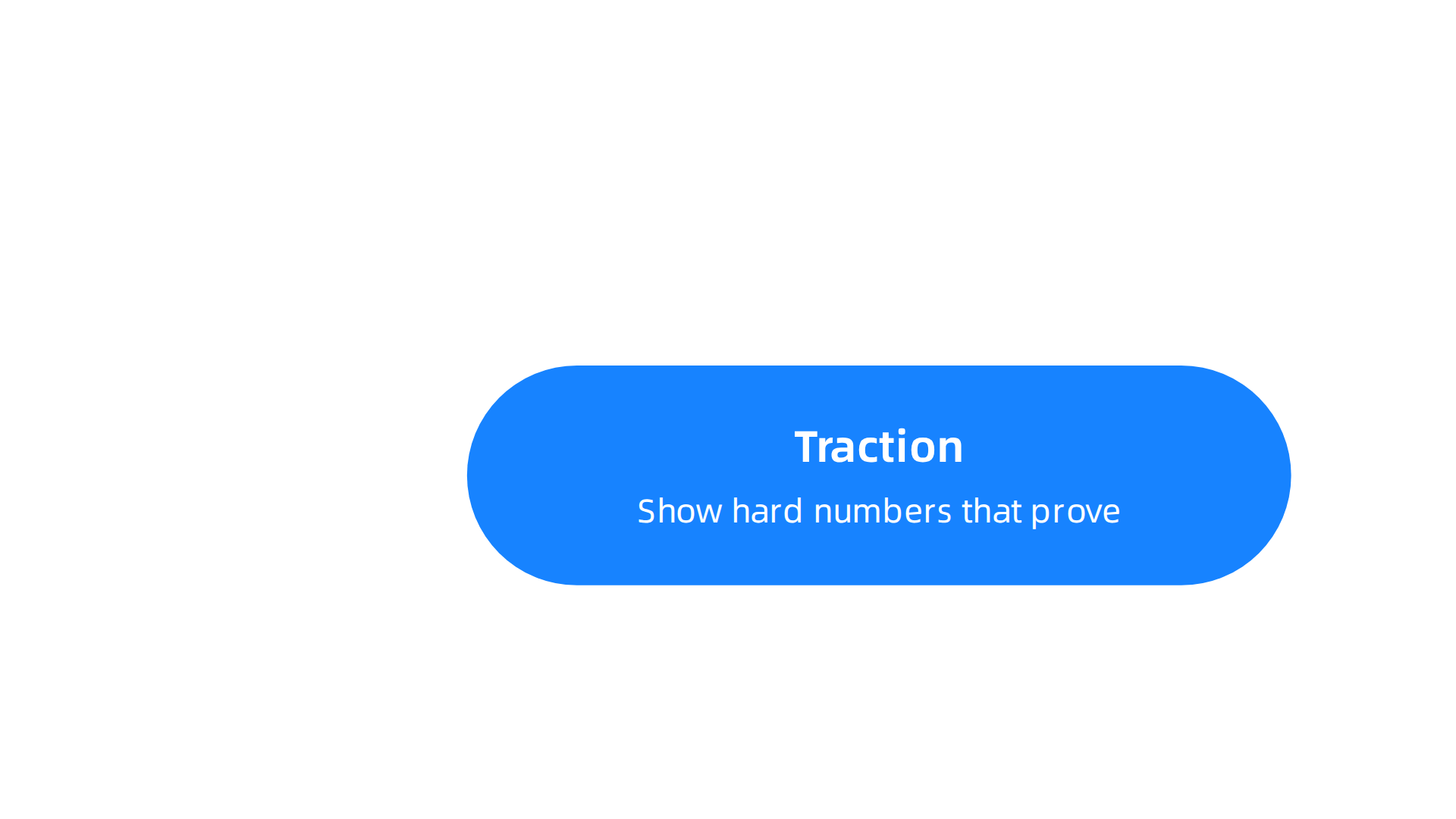
Get these right and you will get more clicks.
Traction. This is the most important part. Show hard numbers that prove your product works. Revenue growth, monthly active users, customer retention rates, and any big contracts you have signed. If you are early stage, show user engagement or waitlist growth. Investors want proof that people actually want what you are building.
Team. Who you are matters as much as what you are building. Highlight your founders’ past startup experience, domain expertise, and any relevant exits. If your team has worked at top AI companies or has PhDs in machine learning, say that clearly. Investors back people first.
Technology Moat. Explain what makes your AI hard to copy. Do you own proprietary data? Have you developed a unique model architecture? Do you hold patents? The best AI companies have a defensible edge. A clear one-sentence explanation of your moat goes a long way.
According to a widely used framework for what VCs look for in a startup, these three pillars (plus market size) form the core of every investment decision. Your profile must hit all of them.
Complete Your Data Room and Pitch Materials
Many founders rush their portal profile and forget to attach supporting documents. That is a mistake. On platforms like Crunchbase and PitchBook, investors often download your data room before reaching out. Make sure yours is ready.
Your data room should include a clean pitch deck, a simple financial model, and a one-page executive summary. Keep the deck under 15 slides. Use real metrics, not projections. Also include a short video demo if you can. Video can boost engagement rates significantly.
A helpful guide on how startup founders can raise venture capital in 2026 recommends writing a one-to-two page narrative memo before you even build your deck. That memo helps you clarify your story, which makes your profile text stronger.
Tips for Standing Out in a Crowded Marketplace
Thousands of AI startups are competing for the same investors. Here are a few ways to rise above the noise.
-
Use the right keywords. Investors search by industry tags. Make sure your profile lists "AI," "machine learning," "deep learning," and your specific vertical (healthcare, fintech, enterprise SaaS). This helps the portal algorithm match you to the right funds.
-
Update your profile often. Investors check for recent activity. If your last update was six months ago, they assume you are not actively fundraising. Post a new milestone, a new customer logo, or a new hire every few weeks.
-
Get warm intros. A cold profile gets fewer views. Use your network to get introductions. Some portals like Wellfound let you tag mutual connections. Use that feature.
-
Show don’t just tell. Instead of saying "strong team," name the top AI conference where your CTO spoke. Instead of saying "fast growth," show a chart of monthly active users. Visual proof beats written claims.
Staying updated on the latest AI trends also helps you tailor your pitch to what investors care about right now. For daily insights that keep you informed, Get clear daily AI updates from The Deep View Newsletter. It is a quick way to spot what is hot in AI funding.
Once your profile is optimized, the next step is understanding the different types of investors who will find you. Our guide on how angel investors and VCs differ will help you know who to approach and how to tailor your message for each group.
The Role of Data and AI in Modern VC Portals
While building a strong profile is essential, the platforms themselves are getting much smarter. Modern venture capital portals now use data and artificial intelligence to change how investors find and evaluate startups.

Understanding how these tools work can help you position your AI startup better on every portal you use.
How Portals Use AI for Matching and Due Diligence
VC portals are no longer just directories. They use AI to match startups with the right investors based on patterns in data. When you fill out your profile, the portal’s algorithm looks at your industry, funding stage, location, and even your team’s background. It then compares that data to what investors have funded before.
This process is called investor profile matching. A detailed breakdown of how investor profile matching works with AI shows that the system learns from thousands of past deals. It can predict which investors are most likely to be interested in your company. That means a well-built profile gets shown to the right people without you having to cold email everyone.
AI also helps with due diligence. Portals and VC firms now use AI to scan your data room faster than any human can. They look for red flags in financial models, check your cap table for unusual terms, and even review your pitch deck for clarity. According to a broad analysis of how venture capital firms are using AI and data science in 2026, many firms rely on AI to cut their initial screening time by more than half.
Predictive Models in Deal Sourcing
The most advanced portals also use predictive models to find deals before they become popular. These models analyze public data like patent filings, hiring trends, and social media buzz. They can flag a startup that is growing fast even if it has not started fundraising yet.
For example, if your AI company files a patent for a new type of computer vision model, the portal might surface your profile to investors who focus on that space. This makes it easier for you to get discovered early.
Staying ahead of these trends means you need to understand the broader AI landscape. Our 2026 comprehensive AI guide for investors, founders, and analysts covers how these predictive tools are reshaping the fundraising process.
Data Analytics Features That Give Investors an Edge
Portals also give investors powerful analytics dashboards. They can see aggregate data on how many AI startups are raising in a certain sector, what valuations are trending, and which regions are hot. In 2026, AI startups captured about 80% of global venture funding in Q1 alone, according to the AI Venture Funding 2026 report. Investors use portal analytics to spot these macro trends and adjust their strategies.
For you as a founder, this means your profile is competing in a data-rich environment. The better your data is structured the more the AI can match you accurately. Fill in every field. Tag your company with the right industry labels. Upload your metrics in a clean format. The machine needs good data to do its job.
Understanding how AI drives these portals is just one piece of the puzzle. Next, we will look at the different types of investors you might meet on these platforms and how to tailor your approach for each one.
Common Mistakes When Using Venture Capital Portals
Venture capital portals are powerful tools. But they are not magic. Many founders make the same mistakes when using them.
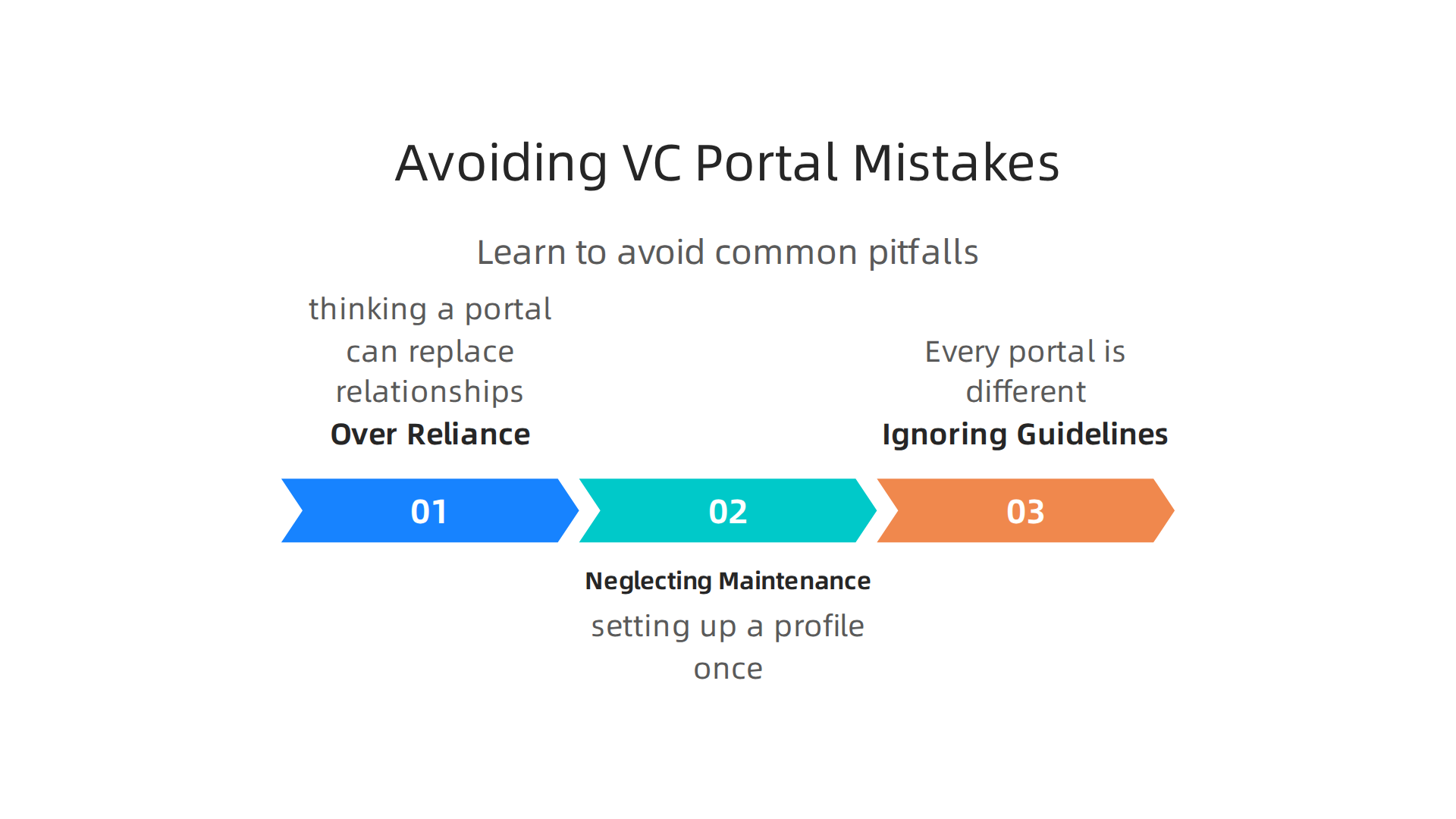
These errors can slow down your fundraising or even stop it completely. Let’s look at the most common ones so you can avoid them.
Over-Reliance on Portals Without Personal Networking
The biggest mistake founders make is thinking a portal can replace real relationships. Portals connect you to investors. But they do not build trust for you. Investors still want to see a warm introduction or a mutual connection before they take a meeting.
If you only fill out profiles and wait for messages, you are missing half the game. You still need to attend events, reach out to your network, and ask for introductions. The best results come when you use the portal as a tool alongside active networking. A great place to find warm connections is through communities where founders help each other, like the Founders Network.
Neglecting Profile Maintenance and Updates
Another common mistake is setting up a profile once and forgetting about it. Your startup changes fast. You hit new milestones. You add team members. You close new customers. If your portal profile stays the same, investors see outdated information.
Worse, the AI on modern portals notices when your profile has not been updated. It may rank you lower because your data looks stale. Set a reminder to review and update your profiles every month. Add new metrics, update your pitch, and refresh your team bios. A current profile signals that you are active and growing.
Ignoring Portal-Specific Guidelines and Investor Preferences
Every portal is different. Some want a short video pitch. Others want a detailed data room. Many investors list specific preferences on their profiles. They might say they only fund certain stages or industries.
If you ignore these details, you waste your time and theirs. For instance, pitching a consumer app to a firm that only funds enterprise AI is a mismatch. To understand what investors really look for, read about the 4 pillars investor framework. It breaks down the exact criteria VCs use to evaluate startups. Tailor every application to match those preferences.
Avoid these three mistakes, and your time on any venture capital portal will be much more effective. You will stand out from the founders who rush through the process.
If you want to stay informed about the latest trends in AI and fundraising, getting a daily update can help. The AI Newsletter Worth Reading delivers clear, daily insights straight to your inbox.
Summary
This article explains why venture capital portals are essential tools for AI startups in 2026 and shows how to use them to speed fundraising. It defines what a VC portal does, why AI companies need specialized matching, and how platforms reduce information asymmetry between founders and investors. The guide lists must‑have portal features—AI‑driven matching, detailed investor profiles, analytics dashboards, vetting, and UX—and reviews five top portals (OpenVC, Wellfound, Crunchbase, PitchBook, YC Dealflow) with suggested use cases by stage. You’ll learn practical steps to build a standout profile (traction, team, technology moat), prepare a data room, and use keywords and updates to get discovered. The piece also covers how portals leverage AI and predictive models for sourcing and due diligence, and highlights common founder mistakes to avoid. After reading, founders and investors will know which portals fit their goals, how to optimize presence, and how to convert portal matches into real conversations and deals.