
Introduction
The artificial intelligence industry is exploding right now. In 2026, job postings that mention AI have surged by more than 130% over the past two years, even as overall hiring across the U.S. stays flat. That is a massive signal. Companies of all sizes, especially startups, are racing to hire people who understand AI work and can put it into practice.
But here is the problem. With so much happening so fast, it is easy to feel buried.

Every day brings new tools, new funding rounds, and new job titles like Prompt Engineer, AI Solutions Architect, or AI Product Manager. How do you figure out which ai startup jobs are worth your time? Which skills actually matter? And how do you stand out when everyone else is trying to do the same thing?
That is exactly why we built this guide.
In the pages ahead, we cut through the noise with real data and practical advice. You will learn which industries are hiring, what employers look for in candidates, and how to build the ai literacy that gives you an edge. We also spotlight the hottest companies worth your attention, which you can explore in our breakdown of the top AI startups for 2026.
Whether you are a developer looking for your first ai startup job, a career changer exploring new options, or someone who just wants to future-proof their skills, this article gives you a clear, step-by-step path forward.
The AI job market is moving fast, but you can move with it. Let’s start.
Get clear daily AI updates — subscribe to The AI Newsletter Worth Reading to stay informed about hiring trends, new tools, and the companies shaping the future.
The Surging Demand for AI Talent in 2026
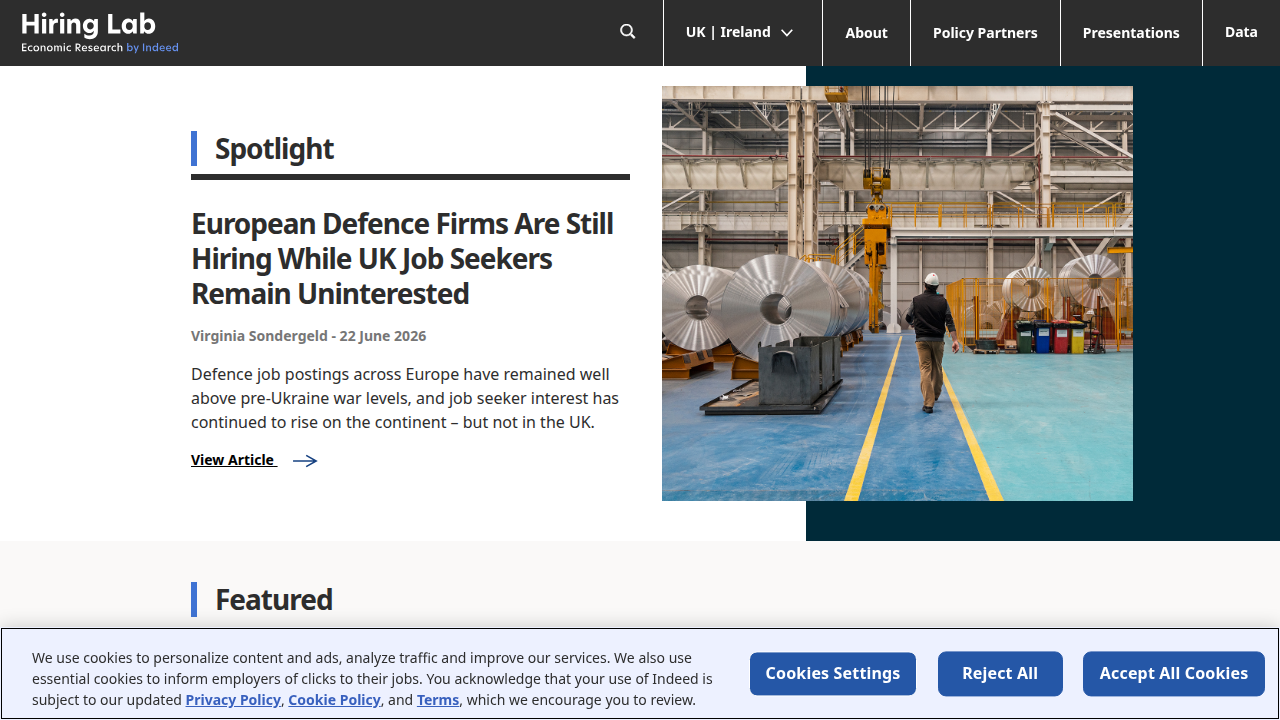
Let’s start with the big picture. The numbers are clear: companies cannot get enough people who understand ai work. In fact, job postings that mention AI jumped by more than 130% over the past two years, even while overall hiring in the United States barely budged. That trend is fresh from the latest labor market data. According to the January 2026 US Labor Market Update from Indeed Hiring Lab, AI-related job postings are one of the only pockets of real growth in an otherwise flat hiring environment.
This is not just about big tech companies. Startups are leading the charge. A recent report from Ashby shows that the share of startup job titles containing the word "AI" doubled from 2% to 4% in just two years. On top of that, about one in three startup job listings now mention AI in the description somewhere. That is a massive change. And it means that if you want an ai startup job, the door is wide open.
Which Sectors Are Hiring the Most?
The demand is not even across all industries. Three sectors stand out right now:
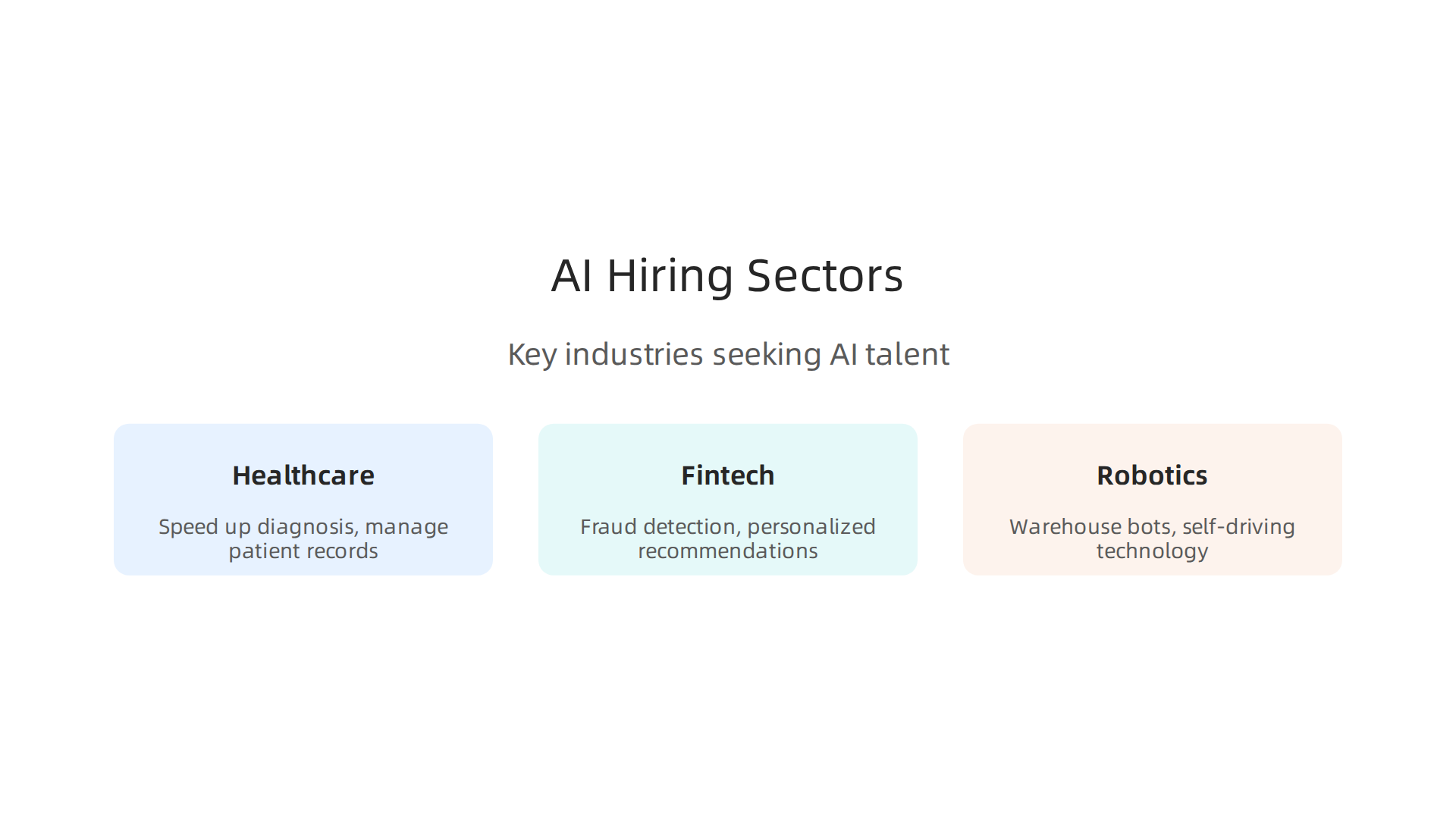
- Healthcare – AI is being used to speed up diagnosis, manage patient records, and power telemedicine tools. Startups in this space are adding headcount fast.
- Fintech – Banks and financial apps rely on AI for fraud detection, personalized recommendations, and automated customer support. Fintech startups are some of the most aggressive recruiters.
- Robotics and Automation – From warehouse bots to self-driving technology, hardware-software hybrids need engineers, product managers, and data scientists who understand AI.
Combine these with areas like legal tech, marketing software, and energy management, and you start to see how broad the opportunity really is.
Salaries Are Rising Too
When competition for talent heats up, pay goes up. That is exactly what is happening. AI engineers at startups now earn between 5% and 20% more in base salary than traditional software engineers. And equity packages often add another 10% to 20% on top. These premiums come straight from a 2026 analysis of AI in startups by Cubeo, which tracks how AI-native companies reward their teams.
What does this mean for you? If you build ai literacy and target the right roles, you are not just finding a job. You are entering a market where your skills command a premium. And with venture capital still pouring into generative AI more than $49 billion in the first half of 2025 alone the runway for new roles only gets longer.
Of course, high demand also means more competition. Every candidate is polishing their resume and learning new tools. So how do you stand out? A smart first step is to get a clear picture of the key players. Our list of the largest AI companies in 2026 will help you identify which organizations are worth your focus.
In the next section, we will break down exactly which skills and experiences recruiters are looking for when they fill ai startup jobs. That is where the real strategy begins.
Key Skills and Roles in High Demand
You know the demand is real. But what exactly are startups looking for when they hire for ai startup jobs? The answer breaks down into three big buckets: technical skills, non-technical roles, and the soft skills that tie everything together.
The Technical Skills That Matter Most
Startups move fast. They need people who can build and ship AI products quickly. According to a 2026 community analysis of AI skills currently in demand by startups, the most critical skills are agentic system design (62% of listings), Python (59%), and retrieval-augmented generation (RAG) pipelines.
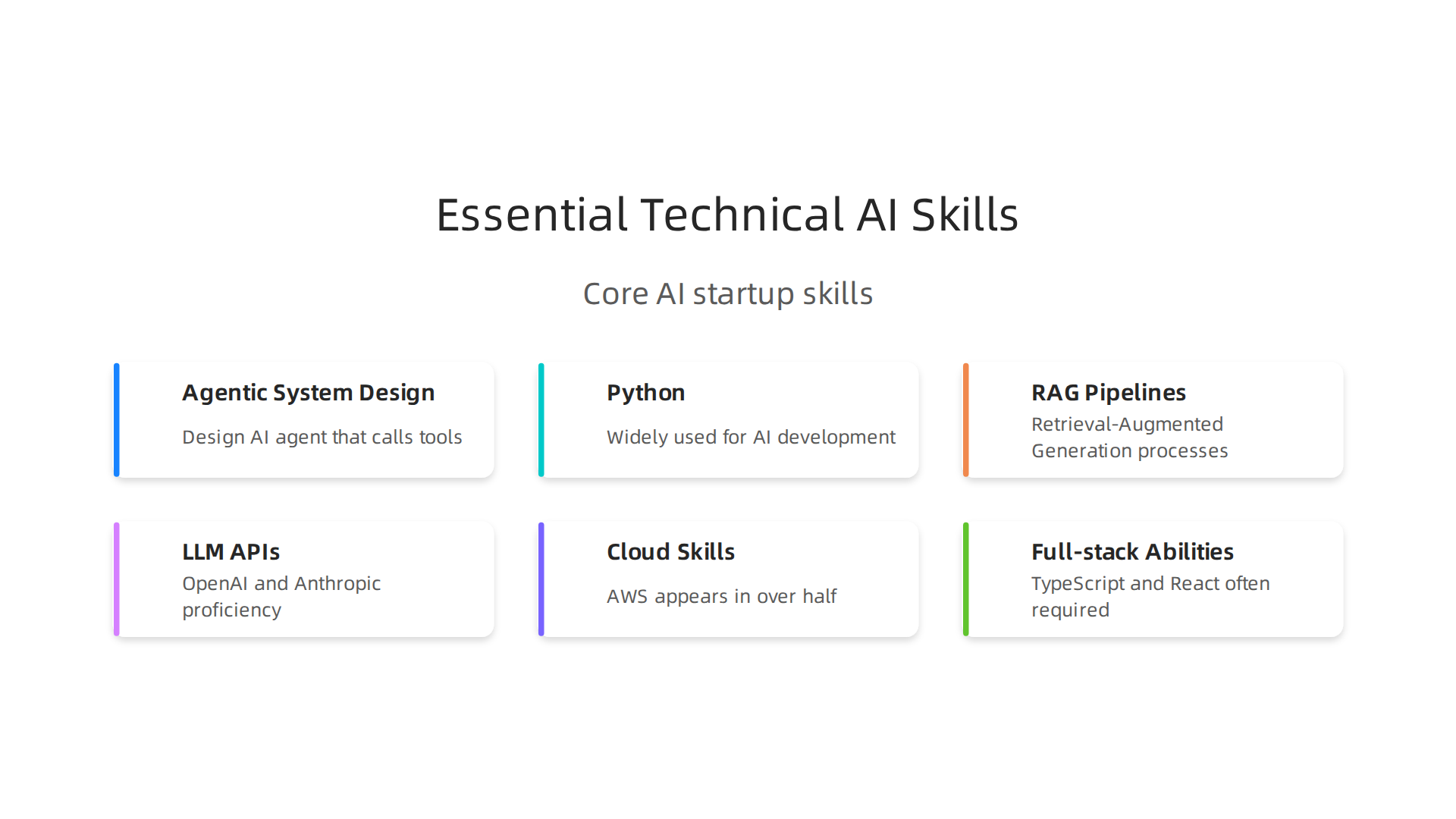
If you can design an AI agent that calls tools, plans actions, and orchestrates multiple models, you are in high demand.
On top of that, familiarity with large language model APIs like OpenAI and Anthropic is essential. Many startups expect you to know prompt engineering and fine-tuning. Cloud skills, especially AWS, appear in over half of job postings. And basic full-stack abilities like TypeScript and React are often required because AI engineers at startups usually build both the backend agent and the user interface. For a broader view of where this technology is heading, read our guide on artificial intelligence in 2026.
Non-Technical Roles Are Growing Fast
Not every ai startup job requires coding. The market has opened up for several non-technical roles that are equally critical. AI product managers, for example, bridge the gap between business goals and technical execution. The LSE report on the 10 most in-demand tech careers of 2026 highlights AI product management as a sharp growth area, with over 76% of product leaders planning to expand AI investment.

AI ethics officers and data governance specialists are also becoming essential as companies face new regulations and public scrutiny.
Sales specialists who understand AI products are in demand too. Startups need people who can explain complex AI tools to potential customers and close deals. These roles combine technical know-how with strong communication skills.
Soft Skills Give You an Edge
Here is something surprising. In 2026, employers want a 50/50 mix of human skills and technical skills for any AI role. According to the Orange.com report on AI jobs in 2026: skills, training, and career opportunities, emotional intelligence has grown 95% in importance for advanced technical jobs. Adaptability, clear communication, and creative problem-solving are now listed as must-haves, not nice-to-haves.
Why? Because AI tools change every few months. The person who can learn a new framework, explain it to a non-technical teammate, and pivot when a model fails is the person every startup wants.

To keep up with this fast-changing landscape, you need a steady stream of reliable information. That is where the The AI Newsletter Worth Reading comes in. It delivers clear daily updates so you always know what skills and roles are trending next.
We have barely scratched the surface. In the next section, we will look at where to find these ai startup jobs and how to make your application stand out.
Now that you know which skills and roles are in demand, the next step is figuring out where to aim your job search. The ai startup jobs market is crowded with opportunities, but not all startups are equal. You want companies that are well funded, growing fast, and built to last. Let’s look at the top AI startups hiring right now.
Where the Best Opportunities Are
The hottest AI startups tend to cluster around a few major hubs, and many of them come out of top accelerator programs. Y Combinator alone lists over 360 AI startups funded by Y Combinator hiring in 2026 in the San Francisco Bay Area. These companies range from tiny three-person teams building "company brain" knowledge graphs to well funded ventures creating humanoid robots. What they all share is active hiring and strong investor backing.
Beyond Y Combinator, the Forbes AI 50 list highlights the most promising private AI companies. Names like Harvey (legal AI, $106 million in funding), Mistral AI (open source models, $527 million), and Pika (video generation, $55 million) appear on that list in 2026. These companies have real revenue, real customers, and real growth trajectories. When you apply to an ai startup job at one of these firms, you know the equity and stability are more than just promises.
What to Look for Beyond the Name
A flashy product is not enough. When you evaluate ai startup jobs, pay attention to three things: company culture, remote work policies, and growth stage. Remote roles are especially plentiful. Over 7,300 AI startup jobs are posted on LinkedIn as fully remote in mid 2026. That means you can work for a top tier company without relocating to San Francisco or New York.
Funding also matters. Startups that have raised serious rounds from firms like Sequoia, A16Z, or Lightspeed tend to have longer runways and better benefits. Look for companies that have shipped real products and crossed the idea stage. For a deeper look at the hottest companies shaping the industry, check out our guide to the top AI startups of 2026.
As you scan the landscape, remember that the best ai startup jobs combine strong fundamentals with a team you actually want to work with. Take your time, research each company, and aim for startups that match your skills and values. The right fit is out there.
How to Position Yourself for an AI Startup Job
Knowing where to apply is half the battle. But to actually land a great ai startup job, you need to prove you can build, ship, and collaborate. The companies you read about in the last section are looking for candidates who show up ready to deliver from day one. Here is how to position yourself so your application stands out.
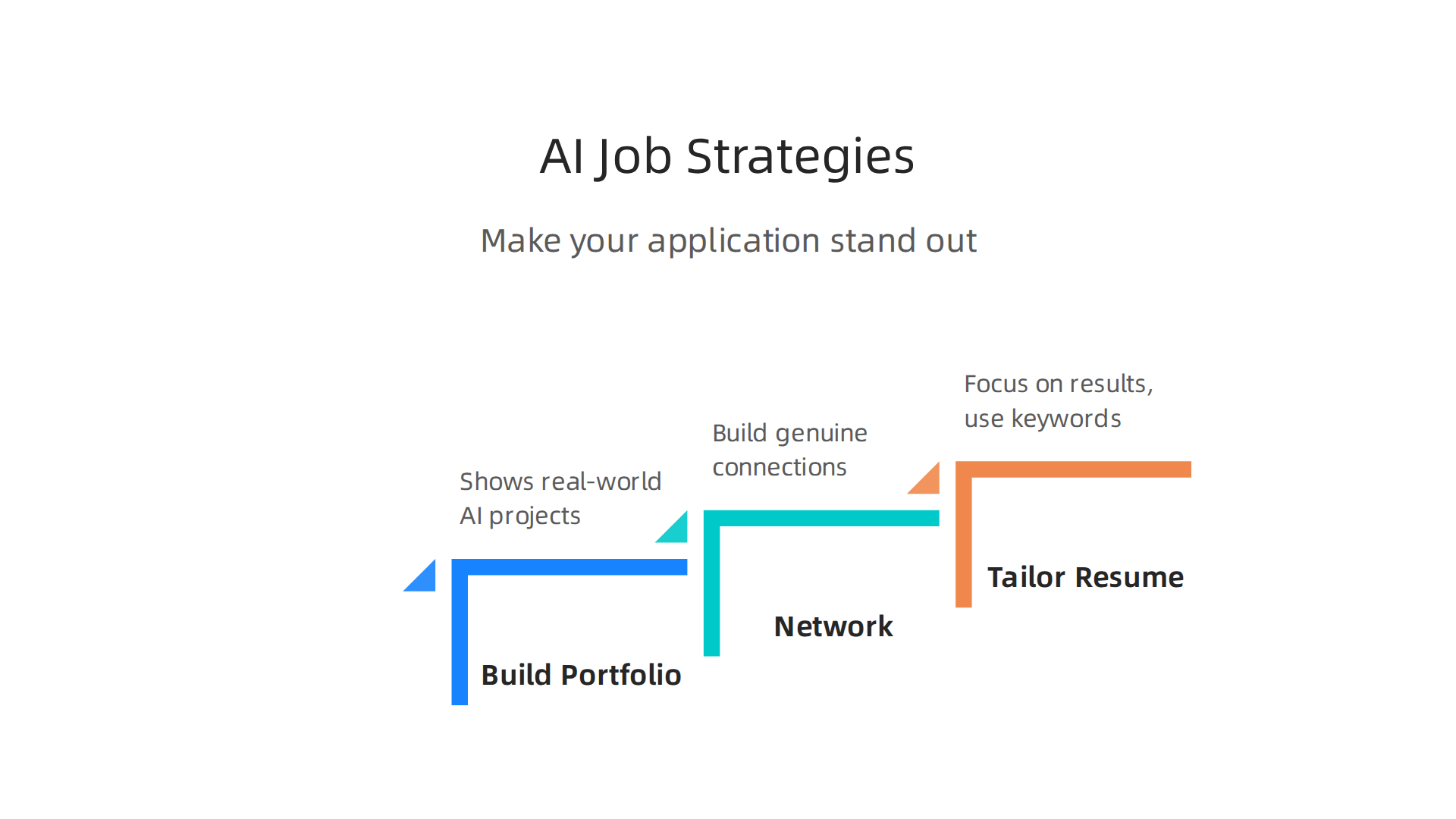
Build a Portfolio That Shows Real Work
The single best way to prove your skills is with a portfolio of real-world AI projects. Startups want to see what you have actually built, not just what you have studied. Contribute to open source repos. Build a RAG pipeline for a problem you care about. Create an agent that automates a boring task. Host your code on GitHub and link to it everywhere.
The most requested skills in 2026 include Python, agentic system design, RAG pipelines, and LLM API proficiency. One analysis confirms that skills like these appear in the majority of startup job listings. A portfolio that demonstrates even two of these will get you much further than a resume that just lists them.
Network Like You Already Belong
Startups hire people they trust and people they know. That means networking is not optional. Update your LinkedIn profile with a clear headline that includes "AI engineer" or "ML practitioner." Post about projects you are working on. Comment on posts from founders and engineers at the startups you want to join.
Attend AI meetups and conferences. Join Discord communities for open source AI projects.

Many hires come through referrals, so building genuine connections matters. One smart way to stay visible and informed is to follow currated daily AI newsletters that sum up what is happening in the industry. Knowing the latest trends also helps you speak knowledgeably in conversations and interviews.
Tailor Your Resume for Impact
Startups move fast. They do not want a list of duties. They want results. For every previous role or project, write a bullet point that starts with an action verb and ends with a number. "Built a chatbot that reduced customer support tickets by 40%." "Fine-tuned a model that improved accuracy by 12 percentage points." Use the exact keywords from the job description so automated screeners flag your application.
Show that you are a continuous learner. List relevant certifications, courses, or hackathons. The best candidates in 2026 combine deep technical skills with the ability to communicate and adapt. If you can show both, you will be hard to ignore.
If you want to stay ahead of the rapidly changing AI landscape, consider subscribing to The AI Newsletter Worth Reading for daily updates that help you spot trends and opportunities before others do.
The Future of AI Work: Remote, Hybrid, and Global Opportunities
The way we work has changed fast, and AI startups are leading the shift. In 2026, the idea of a traditional office is becoming less common. More startups are building their teams around flexibility. That is great news for you, no matter where you live.
Remote-First Is Becoming the Standard
A growing number of AI startups are remote-first. They hire people from all over the world instead of limiting themselves to one city. This opens the door for international candidates who might not have easy access to tech hubs like San Francisco or New York. According to the 2026 startup hiring trends report from Ashby, remote startup jobs get 42% more inbound applications than in-office roles. That shows how much job seekers value the freedom to work from anywhere.
For you, this means you do not need to move to a big city to land a great ai startup job. You can apply for roles based in different countries and still be a strong candidate. Companies care more about what you can build than where you sit.
Hybrid Models Offer Balance
Not every startup is fully remote. Many use hybrid models that blend office time with remote work. This approach helps teams collaborate in person while still giving people flexibility. In 2026, hybrid roles are common, and they appeal to a wide range of preferences. Some people enjoy the energy of an office a few days a week. Others want more autonomy. Hybrid models let you have both.
If you thrive on ai work that involves brainstorming with teammates, a hybrid setup might be the sweet spot. You get face-to-face interaction without losing the ability to work from home when you need focus.
Global Talent Pools Change the Game
One big effect of remote and hybrid work is that talent pools have gone global. You are now competing with candidates from every continent. That sounds intimidating, but it also works in your favor. International candidates can now apply for roles at top startups that previously only hired locally.
To stand out in this wider pool, invest in ai literacy and practical skills like working with APIs or building agents. Understanding how an ai assistant for developers speeds up coding can set you apart. The companies that hire globally value people who can ship results, not just show a degree.
If you want to see which startups are leading this shift, check out the list of top AI startups in 2026. Many of them hire globally and offer remote or hybrid setups.
The future of AI work is open. Where you are born matters less than what you can do. Focus on building real skills, and the opportunities will follow.
Expert Predictions and Career Advice
So you know the landscape. Remote work is growing. Hybrid models are common. Global talent pools are open. But what do the experts say about actually landing and keeping the best ai startup jobs in 2026? Let’s ask them.
The Jobs Will Change, Not Disappear
One big fear is that AI will take all the jobs. Top experts disagree. According to BCG’s latest research, 50% to 55% of jobs in the US will be reshaped by AI over the next few years. That does not mean they vanish. It means the work changes. The boring tasks get automated. The thinking tasks stay yours.
That is why ai literacy matters so much. You do not need to become a coder overnight. But you do need to understand how tools like an ai assistant for developers or a marketing AI work. That knowledge helps you see where your human skills still win.
Where the New Roles Are
Industry leaders point to three big areas shaping future careers:
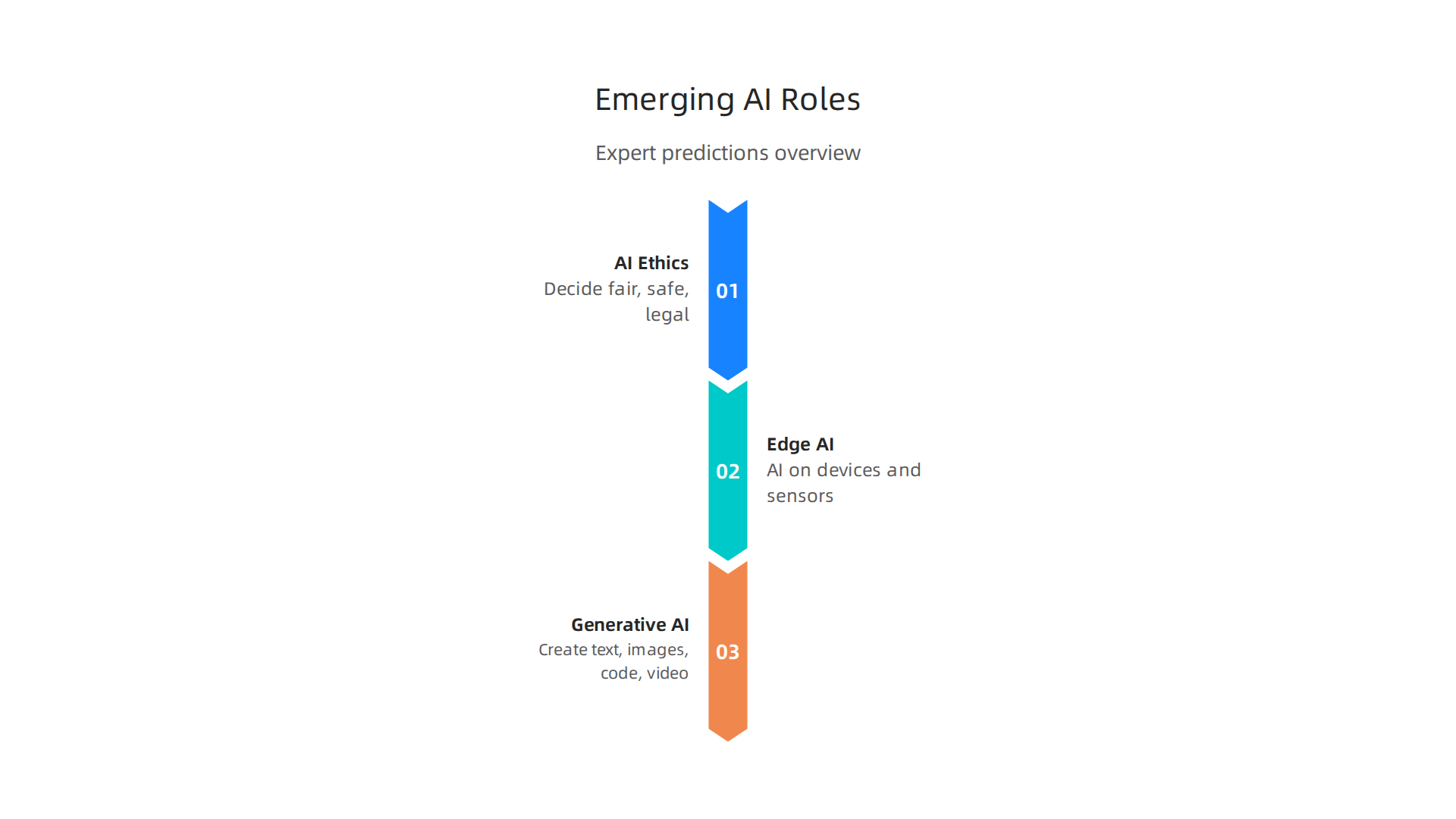
- AI Ethics and Governance — Companies need people to decide what is fair, safe, and legal. This is a fast growing field.
- Edge AI — Running AI on phones, sensors, and devices instead of the cloud. It opens up roles in hardware, optimization, and deployment.
- Generative AI — Models that create text, images, code, and video. Demand is high for prompt engineers, fine-tuners, and quality checkers.
These areas are not just for engineers. Project managers, marketers, and support specialists who understand them will also find opportunities.
The Number One Piece of Advice
Every expert says the same thing: keep learning. Upskilling is not a one-time thing. It is ongoing.

The job search strategies that worked last year might not work next month. You need to stay flexible.
A good way to stay sharp is to follow a daily source of curated AI news. For example, you can get clear daily AI updates from The Deep View Newsletter. It helps you track trends without drowning in noise.
Also, do not ignore the human side. Network with real people. Build a portfolio of projects. Practice telling stories about your results. BCG found that upskilling and redeployment are central to how smart companies handle change. That applies to you too.
If you want to know which companies are hiring right now, check out the top AI startups 2026 list. Many of them are remote-first and actively looking for people with a mix of skills and curiosity.
The future belongs to learners. Start today.
Summary
This guide breaks down the fast-growing market for AI startup jobs in 2026 and gives practical, data-backed advice for landing and thriving in those roles. It explains which industries (healthcare, fintech, robotics and more) are hiring most aggressively, how salaries and equity are trending, and the specific technical and non-technical skills employers prioritize, including agentic system design, RAG pipelines, Python, and cloud experience. The article shows which startup types and funding signals to target, how to build a portfolio that demonstrates real results, and networking and resume tactics that get you noticed. It also covers the shifting work models—remote, hybrid, and global hiring—and offers expert predictions about which AI careers will grow. After reading, you’ll know where to focus your learning, how to evaluate opportunities, and concrete steps to make your application stand out in a crowded market.