
Introduction
Keeping up with AI in 2026 feels impossible. Every day brings new models, funding rounds, and policy shifts. OpenAI news, Google News AI, and BigBear AI news all compete for your attention. The noise is real.
You want reliable, high-quality information. But sifting through thousands of sources takes time you don’t have. That’s where curated newsletters come in. They filter the signal from the noise and deliver exactly what matters to your role.
One name keeps coming up: the TLDR newsletter. It’s become a default daily read for engineers and data scientists, with over 1.25 million subscribers as of 2026. Part of a larger network, TLDR AI lands in your inbox every weekday with a concise technical scan. It’s free and built for professionals who need speed without fluff.
But TLDR isn’t the only option. The landscape is crowded. Subscription numbers have grown by over 340 percent in recent years, and there are now more than 2,500 active AI newsletters. That’s a lot of choice, and a lot of potential waste.
This article ranks the best AI newsletters and information sources of 2026. We evaluated each one on editorial quality, consistency, and how well it serves investors, founders, analysts, and executives. Whether you want a daily briefing or a weekly deep dive, there’s a perfect fit.
If you want to understand the companies driving the news, check out our guide to the biggest AI companies in 2026 and the trends reshaping the industry.
Before we dive into the rankings, one recommendation stands out. Want a daily dose of clear AI insights without the hype? Get clear daily AI updates from The Deep View Newsletter. It’s designed for busy professionals who need to stay ahead.
Let’s find your ideal AI news diet.
1. TLDR Newsletter: The Bite-Sized Daily for Everyone
If you only have time for one daily AI newsletter, TLDR AI is the obvious choice.
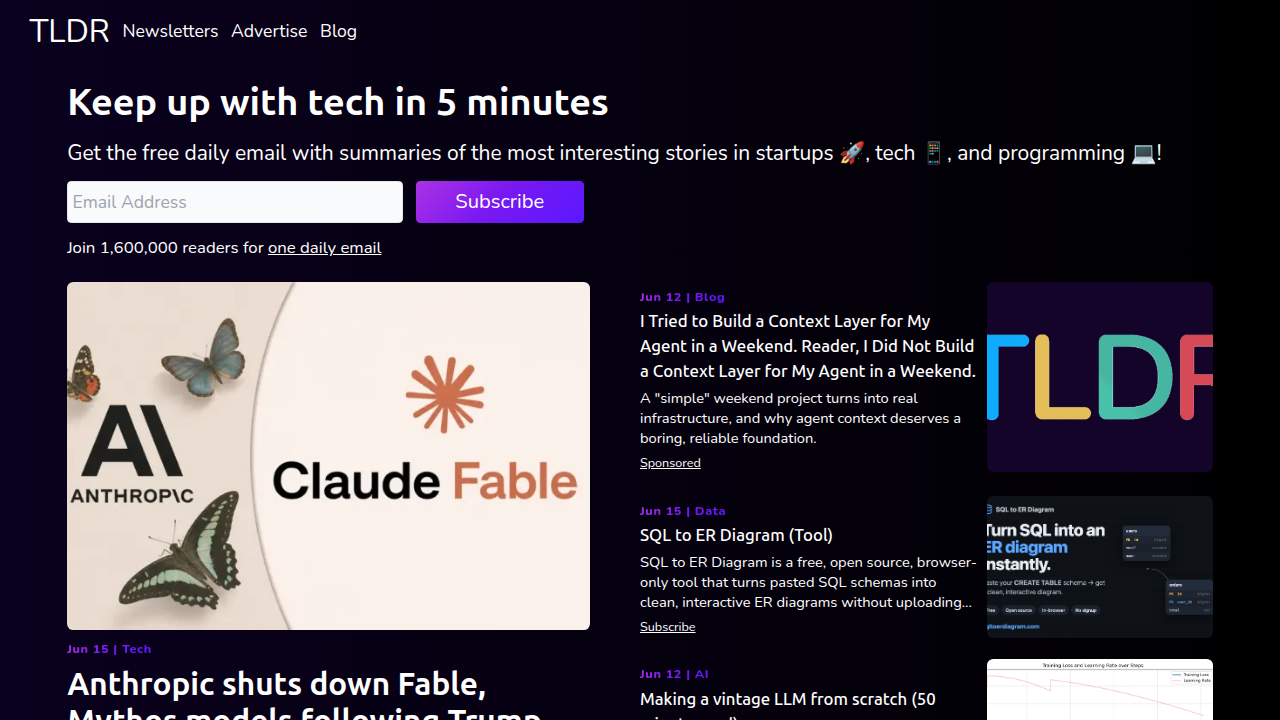
It’s built for people who want the big picture fast. Every Monday through Friday, a short email lands in your inbox with the most important stories from the previous day.
What makes it special? The format is ruthless. Each item gets a headline, a two-line summary, and a link. That’s it. You can scan the whole thing in about two minutes and decide what to read deeper. The newsletter covers model releases, funding rounds, major product launches, and research papers. That means OpenAI news, Google News AI, and even BigBear AI news all get quick mentions when they matter.
The team behind it are engineers, and it shows. The summaries are technical but not overwhelming. They cut to the chase. As of mid-2026, TLDR AI reports a strong 47 percent open rate, a sign that subscribers actually read it rather than delete it. That kind of engagement is rare in any inbox.
TLDR AI is part of a larger network that now reaches over seven million subscribers across all editions. The AI edition alone has well over a million subscribers, making it the default daily scan for engineers and data scientists.
Why it ranks first
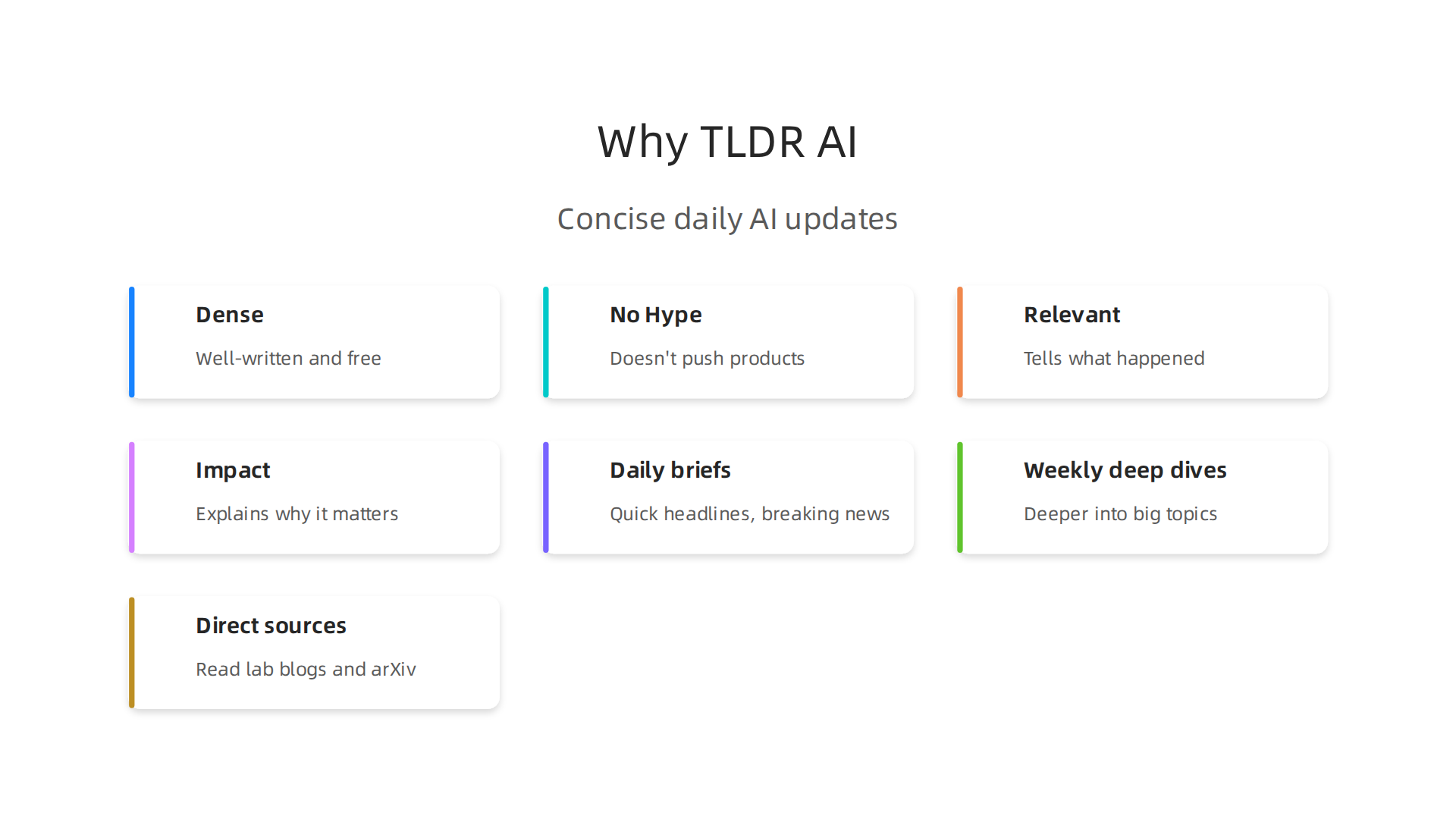
TLDR AI is dense, well-written, and free. It doesn’t push products or hype. It just tells you what happened and why it matters.
If you want to stay current on the AI landscape without wasting time, this is the place to start.
After you scan TLDR’s daily picks, you might want to explore a specific tool or company further. Our guide to evaluating AI tools in 2026 can help you separate the winners from the hype.
The verdict: Subscribe to TLDR AI if you need a fast, no-nonsense daily briefing. It’s the most efficient way to know what’s happening in AI without getting buried in noise.
2. The Deep View: Curated Comprehensive Briefing
TLDR is great for a quick scan. But what if you want more context, analysis, and a broader view of what matters? That’s where The Deep View steps in. It delivers a daily email that goes beyond headlines to give you the story behind the news.
The Deep View focuses on deeper analysis. Each issue summarizes key developments and adds editorial context. You don’t just learn that something happened — you understand why it matters and what the implications are. This makes it a favorite for investors and executives who need to make decisions based on AI trends.

The newsletter also publishes weekly deep-dives and trend reports. These longer pieces explore topics like the rise of agentic AI, shifts in AI regulation, or the competitive landscape of major labs. They help you spot patterns before they become obvious to everyone else.
The editorial team at The Deep View has built a strong reputation for accuracy and balanced coverage. They cover both the hype and the skepticism around AI. You get a realistic picture, not just cheerleading. The signal-to-noise ratio is excellent. According to a 2026 guide on the best AI newsletters to follow, editorial quality and original framing are key markers of a newsletter’s value. The Deep View checks both boxes.
Whether it’s the latest OpenAI news, a Google News AI update, or developments from emerging players, The Deep View keeps you oriented. It also tracks company-level stories, so you can stay current on the biggest AI companies in 2026 without having to chase multiple sources.
The verdict: Subscribe to The Deep View if you want daily AI news with real analysis. It’s built for people who need insight, not just headlines.
Ready to get clear, trustworthy AI updates every day? Sign up for The AI Newsletter Worth Reading and stay ahead of the curve.

3. The Neuron: AI Insights for Business Leaders
The Deep View gives you deep analysis. But what if you need AI news that focuses on strategy and business impact? That’s where The Neuron comes in. It is built for executives, product leaders, and operators who need to make decisions based on what AI means for their company.
Each daily edition from The Neuron takes the biggest stories of the day and frames them through a business lens. You get more than just a list of headlines. You learn why an OpenAI news update matters for your industry. You see how a Google News AI announcement could shift the competitive landscape. The goal is to help you act, not just stay informed.
The newsletter is known for being concise and insightful. You can read it in just a few minutes, but the ideas stick with you. According to a 2026 guide on the best AI newsletters for executives, The Neuron is a top pick for C-suite leaders who need daily strategic context. It lands right in the sweet spot between a quick briefing and full analysis.
The Neuron also offers a premium tier. Subscribers get deeper reports on topics like LLM strategy and MLOps. These are perfect when you need to understand a technology in more detail without hunting through dozens of sources. And every so often, the newsletter features guest perspectives from industry leaders. That adds real-world weight to the daily coverage.
If you need a fast, technical scan of the AI landscape, the TLDR newsletter is hard to beat. But if you want that same speed with a focus on business outcomes, The Neuron is the better fit. It helps you track the biggest AI companies in 2026 and understand how they affect your work.
The verdict: Subscribe to The Neuron if you want daily AI insights that help you lead, operate, and invest smarter.
4. Import AI: Deep Technical Dives from a Seasoned Researcher
If you are an analyst, researcher, or just someone who wants to understand the real engineering behind AI, Import AI is for you.

It is written by Jack Clark, the co-founder of Anthropic. That means the person behind the newsletter has actually built frontier AI systems. That gives Import AI a level of credibility you don’t find everywhere.
Import AI comes out weekly. Each issue is a deep dive into the latest research papers, infrastructure trends, and safety concerns. There is no hype here. Jack Clark is known for his honest, no-nonsense perspective. He tells you what works and what doesn’t. He covers topics like scaling laws, model alignment, and the hardware powering today’s biggest AI companies. A good rule for picking a newsletter is whether the author builds AI systems or just writes about them. According to a guide on the best AI newsletters, newsletters from builders tend to surface different insights than those from observers. Import AI passes that test.
This is essential reading if you want to understand the technical undercurrents of the AI industry. The tldr newsletter is great for quick news, but Import AI gives you the why behind the news. It helps you see where the field is really heading.
If you want to stay on top of which companies are pushing these technologies forward, check out our overview of the biggest AI companies in 2026 and the trends reshaping the industry. It pairs well with the deep dives from Import AI.
And if you need a daily dose of clear AI updates that cover the whole landscape, The AI Newsletter Worth Reading is a solid companion to Import AI. It gives you a broader view without skimping on quality.
5. Ben’s Bites: AI News with a Side of Humor
Most AI news is dry. It reads like a press release. Ben’s Bites flips that. It mixes solid reporting with a funny, conversational tone that feels more like a chat with a friend than another inbox list.
You get the important stories like OpenAI news and Google news AI, but you also get the weird stuff that makes AI fun. Ben covers quirky developments that other newsletters ignore. That is a huge perk if you want to stay informed and still enjoy the read.
When you use the quality test recommended in The 5 Best AI Newsletters to Subscribe to in 2026, Ben’s Bites checks all the boxes. It is written by a named human with real AI experience. It keeps promotions low and delivers stories you would not find on your own. Unlike some other daily roundups such as the tldr newsletter, Ben adds personality to every story without losing the facts.
Ben also has a strong Twitter following. He runs community polls and interactions that make you feel like part of the group. That level of engagement is rare in a newsletter.
If you want to go deeper into the trends Ben’s Bites covers daily, check out this guide on how multimodal and agentic AI are driving the future. It gives you the big picture behind the headlines.
6. Last Week in AI: The Curated Weekly Recap
You know the feeling. You take a weekend off from AI news and suddenly you are three papers behind. That is where Last Week in AI comes in. This weekly roundup saves you time by packing the most important research, funding events, and product launches into one single digest.
Unlike the tldr newsletter, which gives you daily bites, Last Week in AI gives you a broader view. It focuses on trends, not just headlines. You get original analysis that connects the dots between different stories. For example, a piece on OpenAI news might tie into a new Google news AI update. The newsletter also covers funding rounds for companies like BigBear AI news, so you see where money is flowing.
The team behind Last Week in AI includes researchers who actually build systems. That means their commentary goes beyond surface-level takes. According to the Top 12 AI Newsletters to Follow in 2026 guide, weekly newsletters that offer original synthesis stand apart from simple link aggregators. Last Week in AI delivers that depth.
If you want to understand the bigger shifts shaping the market, pair this newsletter with a look at the biggest AI companies in 2026 and the trends reshaping the industry. Together they give you both the weekly pulse and the long-term picture.
And if you find that a weekly cadence is not enough, you can get clear daily AI updates from The AI Newsletter Worth Reading. It keeps you informed every single day without the noise.
7. The AI Revolution: Newsletters from Leading Thinkers
Sometimes you do not just need headlines. You need a deep think. That is where The AI Revolution brand comes in. Started by writer Daniel Jeffries, this collection of newsletters blends philosophy, business, and technical analysis into long-form essays. Each edition explores the societal impact of AI. It is the kind of reading that makes you step back and see the forest, not just the trees.
While the tldr newsletter gives you a fast daily digest of openai news and other top stories, The AI Revolution takes a slower, more deliberate approach. You get exclusive interviews with AI company founders and researchers. You learn the reasoning behind big decisions. If you are tracking google news ai or bigbear ai news, this newsletter helps you connect the dots between isolated events and longer market shifts.
According to the Best AI Newsletters in 2026 guide, readers who want depth over speed should add a weekly specialist to their routine. The AI Revolution fits that role perfectly. It is not for everyone. But if you crave context and analysis, it is worth your time.
For a broader view of where the industry is headed, pair this newsletter with an overview of multimodal and agentic AI trends for 2026. Together, they give you both the philosophical angle and the technical direction.
8. Specialized AI Newsletters: Niche and Vertical Focus
General AI newsletters like the tldr newsletter keep you up to speed on the biggest headlines. But if you work in a specific field, you need something narrower. Specialized AI newsletters focus on one industry at a time. They give you deep expertise in areas like healthcare, law, autonomous vehicles, and climate technology.
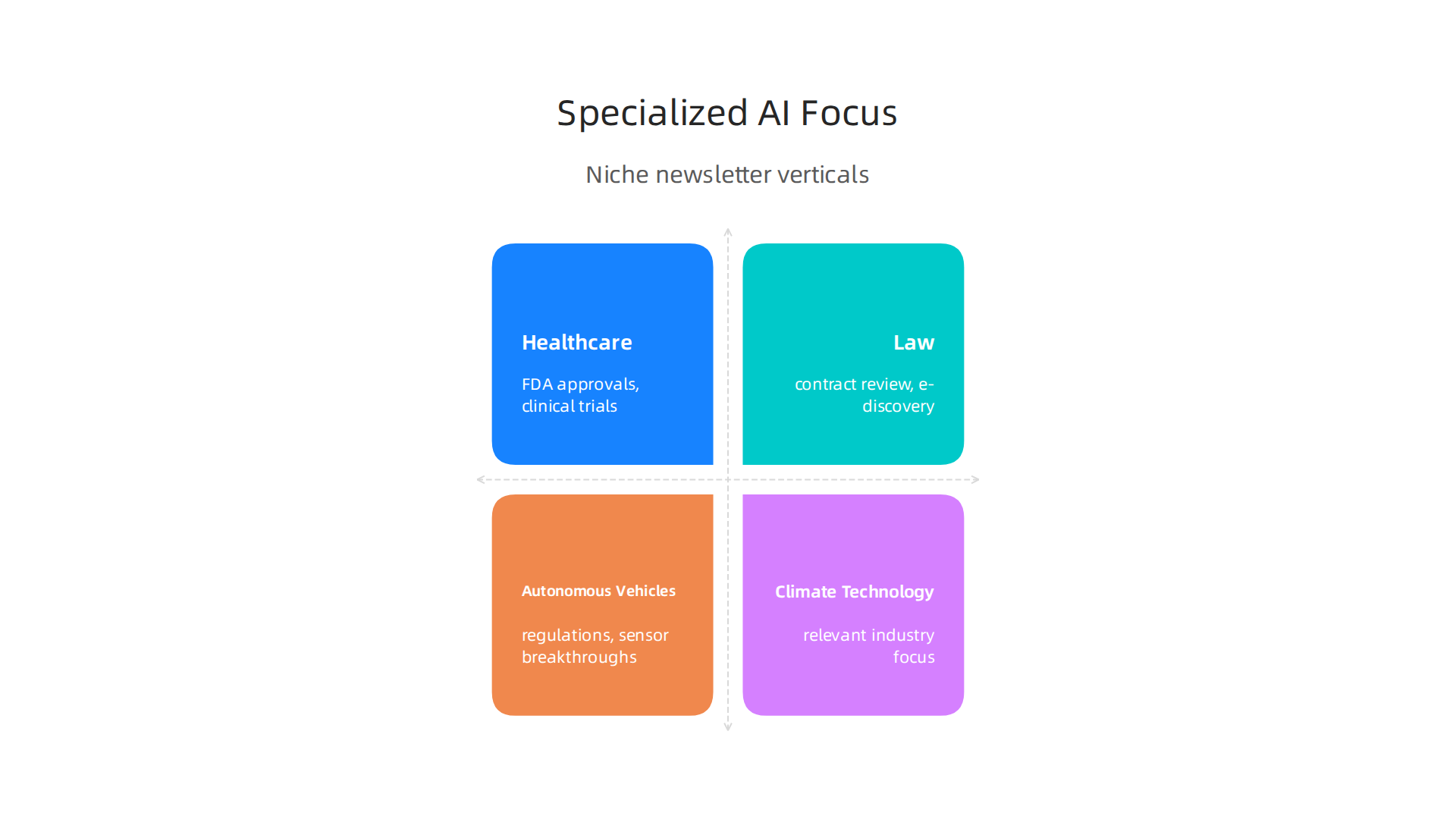
For example, AI in Healthcare Today covers FDA approvals, clinical trials, and hospital deployments. The AI Edge in Law tracks how firms use machine learning for contract review and e-discovery. AV Watch monitors self-driving car regulations and sensor breakthroughs. These newsletters do not try to cover everything. They give you the details that matter most to your job.
For investors and founders, vertical newsletters are gold mines. They reveal early-stage trends before they hit the mainstream. You learn which startups are raising funds, which technologies are gaining traction, and which regulations could change the game. According to the Best AI Newsletters for Executives 2026 guide, C-suite readers often add one weekly specialist to their daily general briefing. That way, they get breadth plus depth.
If you are investing in or building a company in a specific sector, you want intel that goes beyond surface-level news. A newsletter focused on your niche can uncover opportunities that others miss. For a broader look at how AI is reshaping different industries, check out our coverage of artificial intelligence applications in 2026. It connects the dots across healthcare, finance, and beyond.
And if you want a daily dose of AI updates that cuts across all sectors, The AI Newsletter Worth Reading delivers clear, curated insights straight to your inbox.
9. Beyond Newsletters: Academic Papers, Blogs, and Podcasts
A good newsletter like the tldr newsletter gives you a daily summary of what’s happening. But it is just one piece of the puzzle. To really understand where AI is going, you need to pull from deeper sources.
Academic papers are where breakthroughs start. Platforms like arXiv and Papers with Code publish new research every single day.
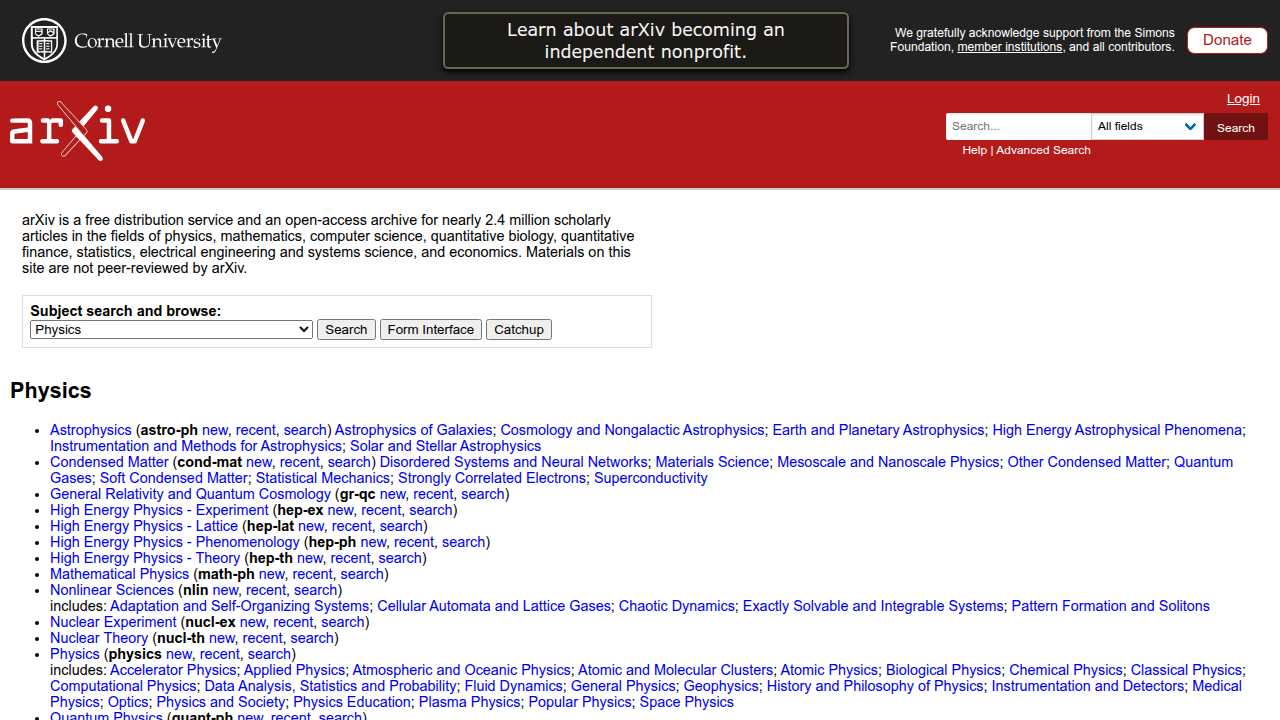
If you want to catch a major paper before it hits the news, you check there. The Stanford HAI 2026 AI Index Report is a great example of a comprehensive source that brings academic data into the public conversation.
Blogs from the labs give you the inside story. OpenAI, DeepMind, Anthropic, and Google AI all write directly about their own work. Reading the OpenAI blog is the best way to get accurate openai news without the hype. The Google AI blog shares google news ai updates on everything from Gemini to new research tools. And if you follow defense and government AI, BigBear.ai news often appears first on their corporate blog before it reaches the mainstream.
Podcasts and social media fill in the gaps. Podcasts like the Lex Fridman Podcast and Hard Fork offer long conversations with the people building the technology. Twitter (X) is still the fastest way to hear from researchers and insiders. One Reddit thread on go-to sources for staying updated on AI mentioned over a dozen podcasts, blogs, and YouTube channels that the community trusts for real-time updates.
Combine these with your newsletter habit, and you get a complete picture. The newsletter catches the headlines. The arXiv paper shows the math. The podcast explains the motivation. The blog post gives the strategic context. Together, they give you a 360-degree view.
For a broader look at which organizations are driving this work, check out our guide to the biggest ai companies in 2026. It covers the labs, the infrastructure providers, and the startups shaping the next wave.
10. How to Build Your AI News Diet & The Future of Curation
Reading the tldr newsletter every morning is a great start. But you need more than one source to really understand AI. Think of it like food. A diet of only snacks won’t keep you healthy. You need a balanced meal plan.
**What a balanced AI news diet looks like:
**
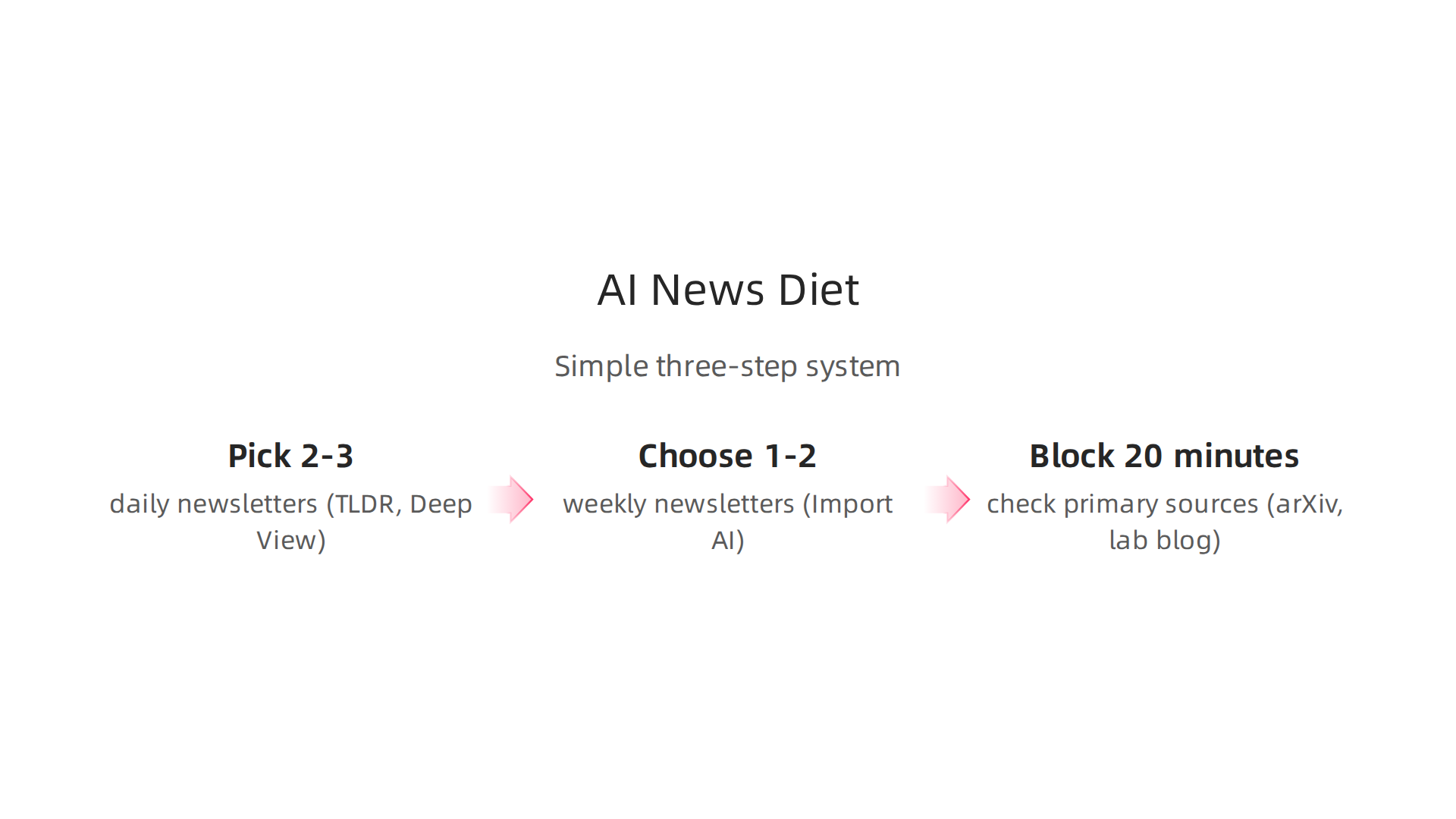
- Daily briefs (2 to 3): A quick tldr newsletter or The Deep View newsletter gives you the headlines in under 5 minutes. These catch breaking news like new openai news or the latest bigbear ai news without the fluff.
- Weekly deep dives (1 to 2): Newsletters like Import AI go deeper into one or two big topics each week. They help you understand the "why" behind the news.
- Direct sources (set aside time): Spend 15 minutes a week reading the Google AI blog for google news ai or skimming a new paper on arXiv.
The future of curation is already here. AI tools now generate news summaries automatically. Personalized curation algorithms learn what topics matter to you and filter out the noise. Premium paid newsletters are also rising because readers want deeper analysis from trusted experts. According to the best AI tools for research guide, tools like Consensus and Semantic Scholar now help researchers find and summarize papers in seconds, which is changing how quickly news spreads from labs to the public.
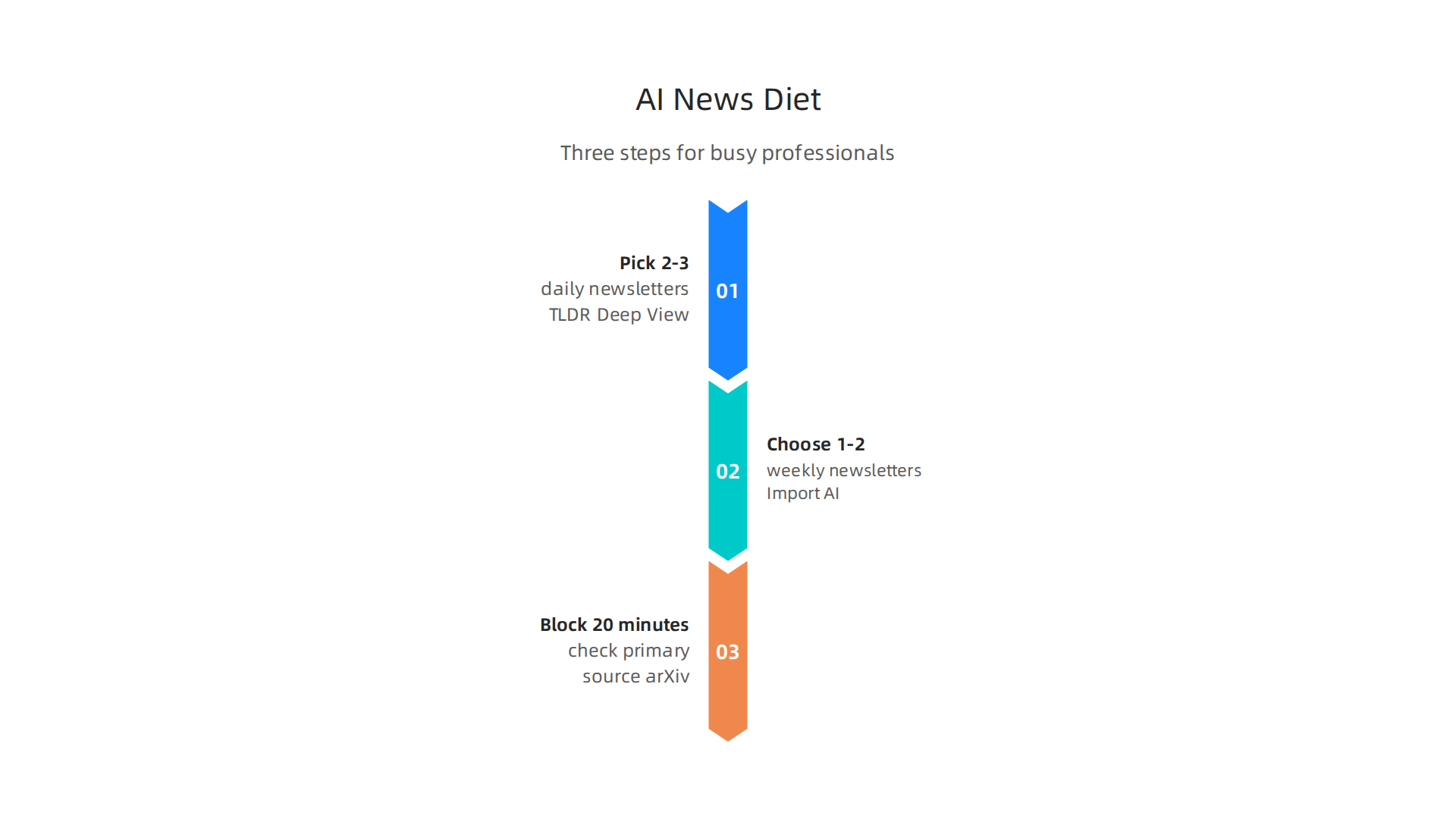
**Here is a simple system to start today:
**
- Pick 2 to 3 daily newsletters like the tldr newsletter and The Deep View for quick reads.
- Choose 1 to 2 weekly newsletters like Import AI for deeper understanding.
- Block 20 minutes each week to check a primary source like an arXiv paper or a lab blog.
For a full guide on the tools and platforms behind today’s biggest AI stories, check out our breakdown of how to evaluate and invest in AI tools. It covers everything from research platforms to the companies that power your daily news feed.
The AI Newsletter Worth Reading: If you want clear, daily AI updates without the hype, subscribe to The Deep View Newsletter. It delivers the most important stories straight to your inbox every morning.
Summary
This article ranks the top AI newsletters of 2026 and shows how to build an efficient news habit for professionals. It compares fast daily briefs like TLDR AI with analytical options such as The Deep View and business-focused editions like The Neuron, and highlights technical deep dives from Import AI and lighter, personality-driven options like Ben’s Bites. The guide also recommends weekly recaps for synthesis, niche newsletters for vertical expertise, and complementary sources—academic papers, lab blogs, and podcasts—to fill gaps newsletters leave. You’ll learn which newsletters suit specific roles (engineer, executive, investor), a simple system for a balanced news diet, and what curation trends (personalization, AI summaries, premium analysis) to expect next. The aim is to save you time while keeping you well-informed about model releases, company moves, and the research shaping AI’s future.