

Have you ever sat down to write a story only to draw a blank? You stare at the screen, waiting for a spark that just will not come. It happens to all of us. But in 2026, an ai story writer can be the creative partner you need to break past that wall and finally get your ideas flowing.

These tools do a lot more than just type words for you. They use a powerful ai generator text engine to help you brainstorm fresh plots, build realistic characters, and structure full chapters in minutes. If a scene feels flat, a built-in rephrase ai can change the tone quickly. When you need a quick fact or a clever twist, just use the ai answer generator feature. And the best part? Many free generative ai tools now offer these capabilities, putting professional-level help into everyone’s hands. In fact, creators are already experimenting with ambitious projects, like this AI writing idea: Ephemera 2027 concept, pushing what is possible with AI fiction.
Professionals across nearly every industry are adopting this technology. Novelists use AI to overcome writer’s block and finish drafts faster. Marketers use it to generate compelling product stories and social media posts. Educators use it to build creative lesson plans. The common benefit is speed and creative flow. Instead of wasting hours stuck on a blank page, you spend your time shaping a solid draft and bringing your vision to life.
But here is the thing: choosing the right ai story writer matters a lot. Some tools shine at short bursts of creative text. Others are built for long, complex narratives with many characters and plot lines. You need to understand what fits your specific project. That is exactly why our team has tested and compared the top options available today. Check out our guide to the best writer AI tools in 2026 to find the right match for your workflow.
The artificial intelligence landscape changes fast. What works today might be outdated tomorrow. To stay ahead of the curve and master these creative tools, you need a steady flow of reliable information. Get clear daily AI updates from The Deep View Newsletter and continue reading below to discover the perfect AI writing partner for your unique needs.
What Is an AI Story Writer? How AI Is Transforming Creative Writing
You have a story idea floating in your head. Characters with names. A setting that feels real. But when you sit down to write, the words come out flat or not at all. That is where an ai story writer steps in. It is not just a basic text generator. It is a creative partner built on large language models that have been trained specifically on novels, short stories, and narrative structures.
A regular AI text generator might give you a paragraph about a topic. An AI story writer does much more. It understands plot arcs, character motivation, and pacing. It can generate a chapter outline, write realistic dialogue between two characters, or describe a fantasy world with consistent rules. Tools like the best AI story writer tools in 2026 use models fine-tuned for fiction, so the output reads like a story, not a report.
Core Capabilities That Make It Different
What sets an AI story writer apart from a generic chatbot? Three things.
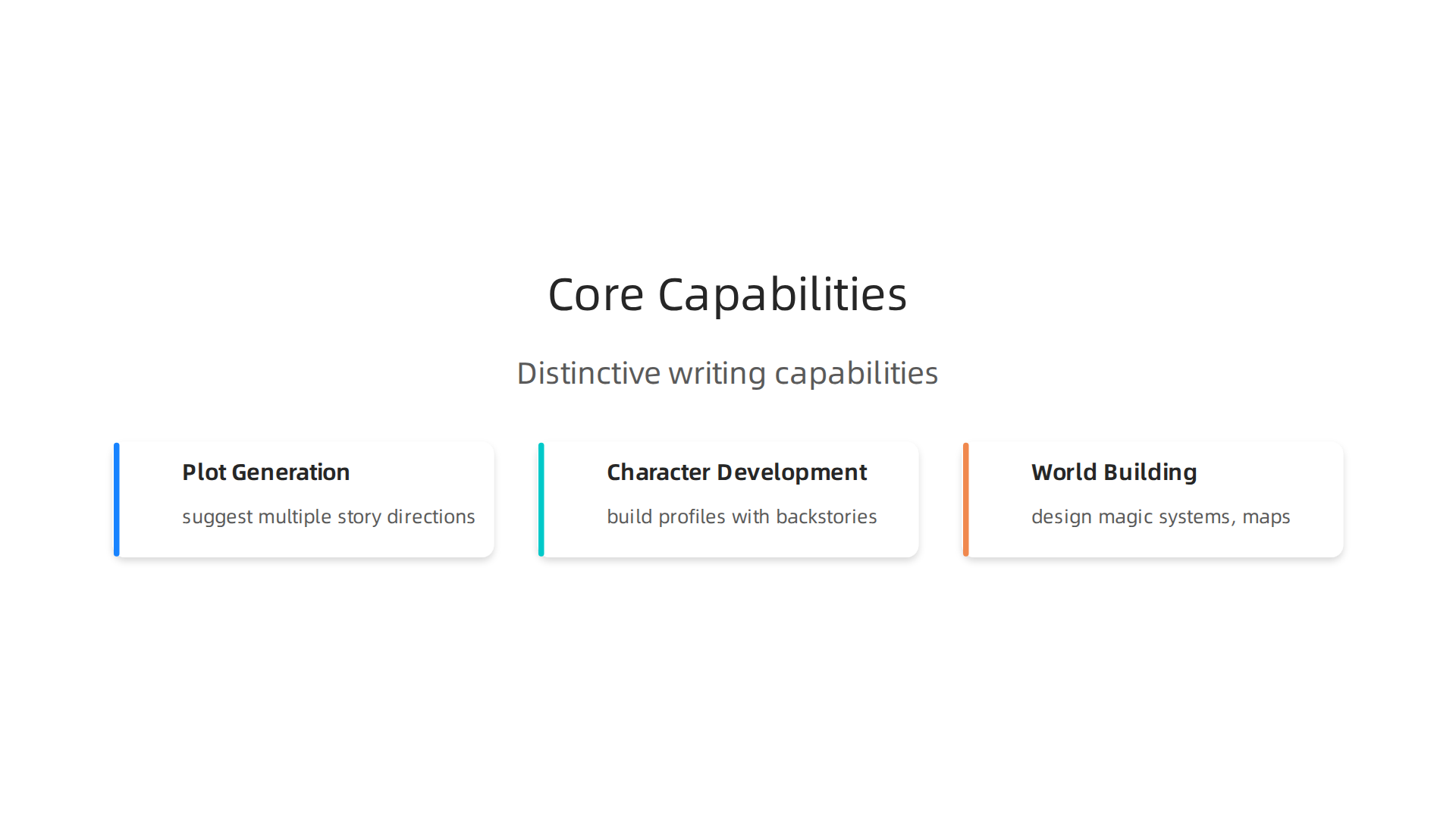
First, plot generation. You give it a premise, and it can suggest multiple directions your story could go. Second, character development. It can build character profiles with backstories, personality traits, and even flaws that drive conflict. Third, world-building. If you are writing fantasy or sci-fi, it can help you design a magic system, a map, or a history for your world. Dialogue also gets a boost. Instead of stiff exchanges, the AI can write conversations that reveal character and move the plot forward.
The Technology Behind the Magic
Under the hood, these tools rely on large language models. But not just any models. The best ones have been further trained on millions of words of fiction. They understand narrative voice, show versus tell, and subtext. In 2026, context windows have grown large enough that an AI can hold an entire chapter in its memory. That means it remembers who said what and what happened in scene one when you reach scene ten.
These models are also getting better at following style guides. You can tell the AI "write this scene in the voice of a noir detective" and it adapts. The result is a tool that feels less like a machine and more like a writing partner who knows your genre.
If you want to understand the bigger picture of how AI systems work, check out this guide to core concepts of computer AI. It explains the foundational technology that makes these creative tools possible.
In short, an AI story writer is a specialized tool for anyone who wants to turn ideas into stories faster, without losing the human touch.

The next section will walk you through the top options available right now.
Top AI Story Writer Tools in 2026: Features and Comparison
So which ai story writer tools actually deliver in 2026? I tested several to find out. The right one depends on your genre, budget, and how much control you want. Here is a quick look at the top contenders and what makes each stand out.
The Best AI Story Writer Tools at a Glance
| Tool | Best For | Key Feature | Pricing |
|---|---|---|---|
| Sudowrite | Fiction writers and novelists | Story Bible, chapter-by-chapter guidance, and tools like "Describe" and "Shrink Ray" | Subscription, around $22/month for Professional |
| NovelAI | Genre fiction (fantasy, sci-fi, horror) | Genre-specific AI models with strong world-building and prose quality | Subscription-based |
| Claude (Anthropic) | Long-form narrative and literary fiction | Holds plot threads across long documents; consistent character voice | Subscription, $20/month for Plus |
| Jasper AI | Versatile content creation | Brand Voice, story plot templates, and character description tools | Subscription-based |
| Raptor Write | Fast AI-assisted fiction workflows | Lightweight and speed-focused | Free |
How They Compare
Sudowrite is often the first pick for serious fiction writers. Its dedicated toolkit maps directly onto the actual writing and revision process.
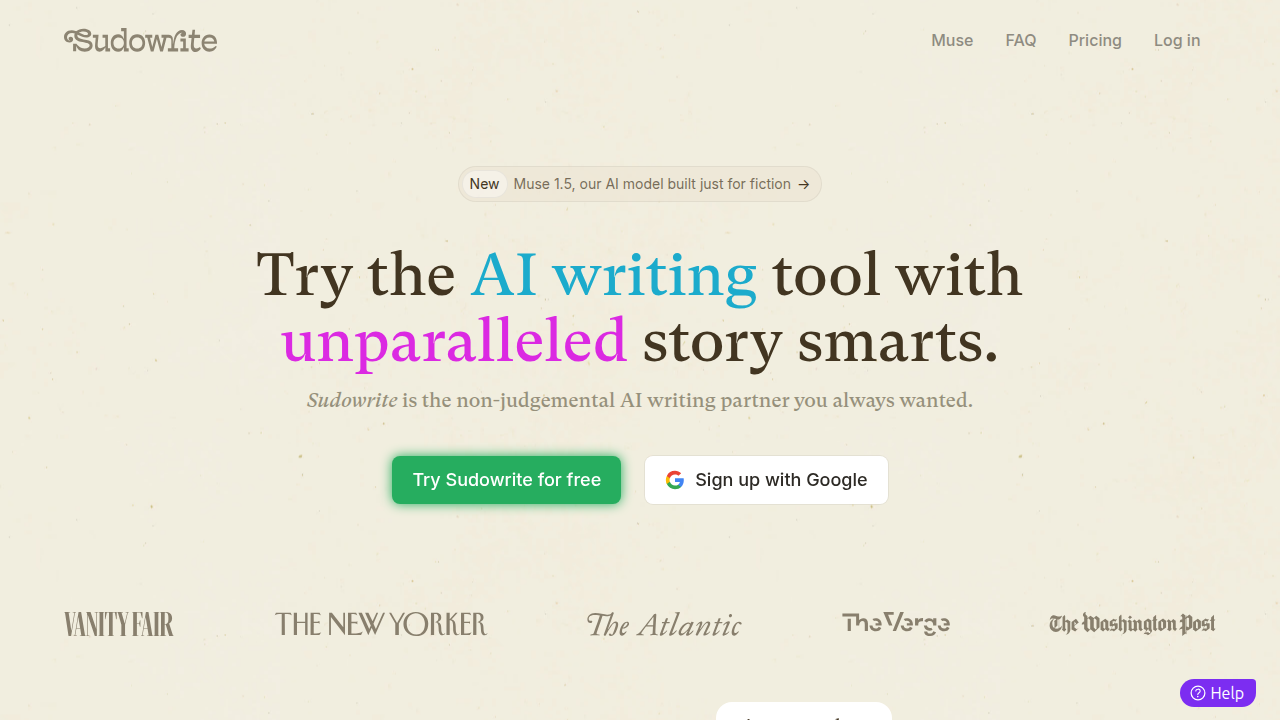
According to this roundup of the best AI tools for writing fiction in 2026, Sudowrite is ideal if you want a tool built specifically for novels, scene writing, and character development.
NovelAI outshines general‑purpose tools when it comes to genre fiction. It handles fantasy magic systems, sci‑fi tech, and horror atmosphere with natural fluency.
Claude shines for long‑form storytelling. It keeps track of complex narratives and follows detailed style instructions, making it a strong collaborator for literary writers.
Jasper AI offers a huge library of templates, including ones for story plots and character descriptions. It is a versatile choice if you also need to write marketing copy or blog posts.
Raptor Write is a free option that focuses on speed. It is great for fast drafts and brainstorming without bells and whistles.
What to Consider When Choosing
Think about your biggest writing challenge. Do you struggle with plot structure? Go with Sudowrite or Jasper. Need human‑sounding dialogue and deep narrative? Claude is your match. Building an entire fantasy world? NovelAI makes that easier. If you are on a tight budget, Raptor Write lets you start for free.
For a deeper look at how AI writing tools fit into your broader workflow, check this guide to the best writer AI tools in 2026. It covers tools beyond pure story writing.
The AI story writer landscape changes fast. If you want to stay current with the newest tools and trends, consider subscribing to The AI Newsletter Worth Reading for daily updates delivered straight to your inbox.
How AI Story Writers Handle Plot Development and Character Creation
Okay, so you have your tools picked out. But how do you actually use an AI story writer to build a plot and create characters that feel real? Let me walk you through what works and what doesn’t.
Brainstorming Plot Points and Twists
The biggest strength of an AI story writer is idea generation. Stuck on what happens next? You can feed it your current chapter summary and ask for three possible plot twists. The AI will spit out options you might never have thought of. The trick is to be specific. Instead of saying "give me a twist," try something like "the detective has just found a clue that contradicts the main suspect’s alibi. What are three surprising but believable developments from here?"
One of the most useful tips for getting good output is to start with a detailed outline, not a vague prompt. According to this guide to AI story writing tools in 2026, "the more specific your outline – character names, settings, key plot points, chapter goals – the better the AI’s output. Generic prompts produce generic stories." That is gold.
Developing Character Arcs
Characters drive stories. AI can help you build them from the ground up. You can define personality traits, speech patterns, motivations, and even physical descriptions in a character profile. Then when you ask the AI to write a scene, it will keep those details consistent. Most dedicated tools like Sudowrite let you store a "Story Bible" with all this info.
But here is where you need to watch out. If you only use a general chatbot and don’t give it character notes, it will often invent contradictory details in the middle of a chapter. That is why serious writers prefer tools that maintain a persistent story memory.
Best Practices for Better Results
After testing many tools, here are the practices that give you the most natural, nuanced storytelling:
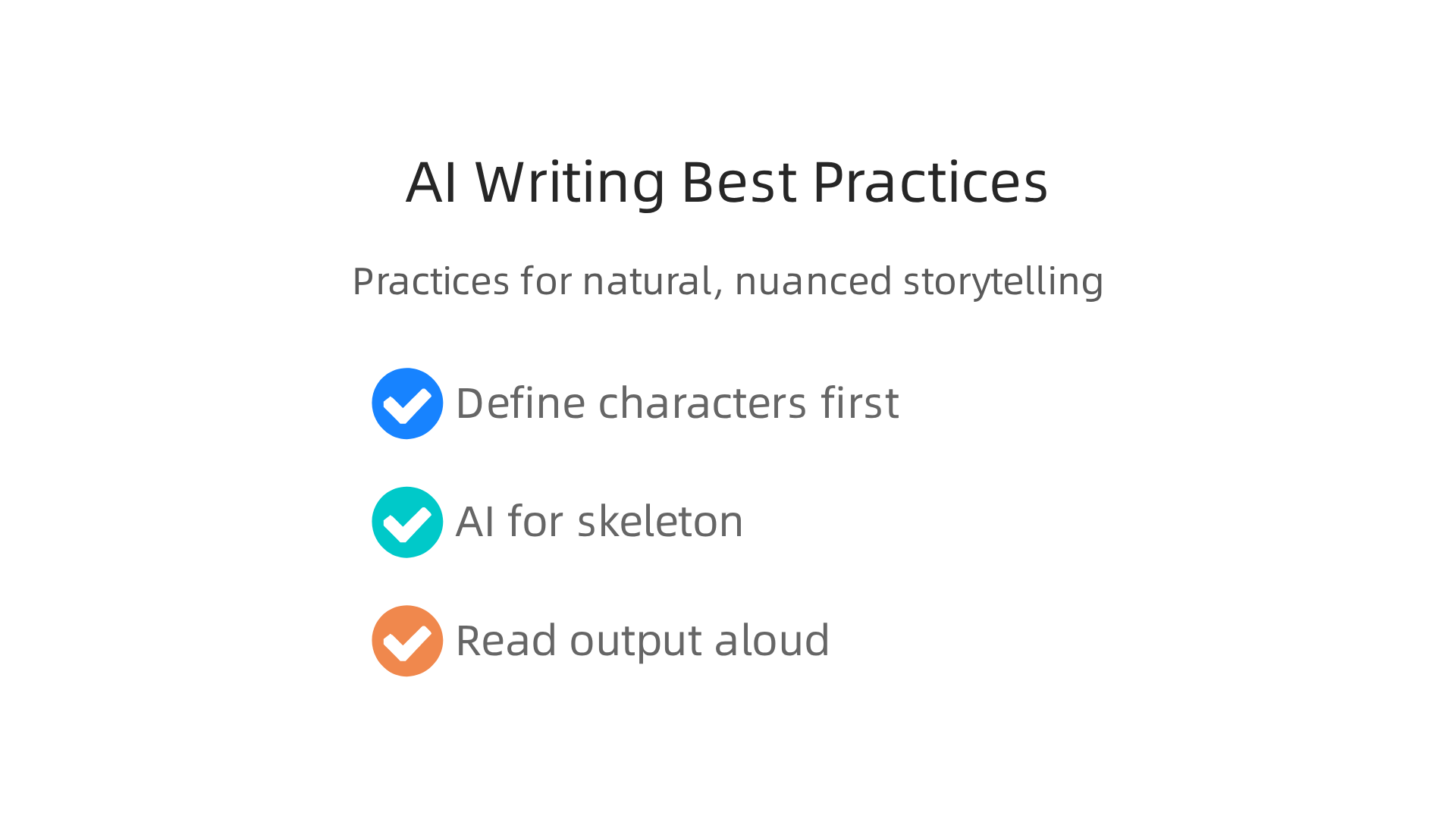
- Define your characters first. Before you write a chapter, create a profile for each main character. Include their voice, goals, and flaws. The AI will reference that when generating dialogue and actions.
- Use the AI for the skeleton, then rewrite in your voice. Let the AI handle plot progression, scene transitions, and dialogue structure. Then go back and rewrite key passages so they sound like you.

This is the fastest way to get a story that does not feel robotic.
- Read your output aloud. AI prose often looks fine on the screen but sounds stiff when spoken. Reading aloud catches awkward sentences and unnatural dialogue quickly.
The Real Limitations You Need to Know
AI story writers still have clear limits. The biggest one is maintaining consistent voice across a long novel. Even the best tools can drift after many chapters. You have to actively check and correct. Another problem is clichés. AI loves overused phrases like "it was a dark and stormy night" unless you actively push it away. Finally, long-form coherence is tough. The AI might forget a subplot it set up 10 chapters ago if you do not remind it.
These are not dealbreakers. They just mean you cannot set the AI on autopilot and walk away. You are the director. The AI is your assistant.
If you want to take your AI writing to the next level, learning to humanize the output is essential. Check out this guide on how to humanize AI text for practical methods to make your stories sound less mechanical and more like you.
Understanding these basics of plot and character development will make any AI story writer you choose much more useful. Now let us look at some real world examples of AI written stories and what we can learn from them.
Expert Perspectives: Using AI for Storytelling Without Losing Your Voice
Let’s hear from people who use AI story writers every day. Authors and editors have learned how to work with AI without losing what makes their writing special.

They face the same worries you probably have right now.
What Authors Say About AI
Jimmy Soni, a biographer who spent six years researching his book on PayPal, talks openly about using AI in his writing process. In his interview, he explains that AI helps him with research and structuring, but it never replaces the human touch. He calls AI a tool that makes writers better, not a replacement for them. You can hear his full thoughts in this conversation about writing with AI.
Other experts agree. A detailed guide on how to win as a writer in the AI age from 2026 highlights the rise of the "AI-conversant writer." These are authors who train AI on their own voice and use it at every stage. One author, Christopher Penn, even measures his writing across 48 text metrics and forces the AI to match that fingerprint. The result? Stories that sound like him, not like a machine.
The Big Concerns: Originality and Copyright
Many writers worry that AI stories will feel copied or lack emotional depth. That fear is real. But the best approach is to use AI as a creative partner, not a ghostwriter. Let it suggest plot twists. Let it handle dialogue beats. Then rewrite everything in your voice. The emotional weight comes from you.
Some authors also worry about copyright. AI output is tricky legally. The safest path is to treat AI as a brainstorming buddy and always write the final draft yourself. That way the story is yours.
Practical Strategies from Real Writers
Here is what works for authors who use AI without losing their identity:
- Build a story bible. Keep character profiles, settings, and style notes in one place. Dedicated AI tools for fiction let you store this so the engine remembers your world across chapters. Check out this comparison of best writer AI tools in 2026 to find one that supports persistent memory.
- Use AI for the skeleton, not the skin. Let it generate scene structure and transitions. Then layer in your dialogue, emotions, and descriptive details.
- Treat AI like a writing partner. Ask it for feedback on your drafts. Some authors use AI to debate their own writing, catching blind spots they missed.
Keeping Up With the AI Writing World
The tools and best practices change fast. If you want to stay current on how AI is shaping writing and storytelling, one of the best ways is a daily newsletter that cuts through the noise. I recommend The AI Newsletter Worth Reading. It gives you clear, concise updates on what matters in AI every day. That way you spend less time hunting for news and more time writing.
The Business Case for AI Story Writers: Market Trends and Investment Opportunities
Let’s look at the numbers. The market for AI story writers and AI-powered content creation is growing fast. In 2026, the global AI-powered content creation market is valued at $3.6 billion, and it is expected to reach $11.7 billion by 2033, growing at a compound annual rate of 18.2%. That comes from the latest AI Powered Content Creation Market report. Storytelling tools are a big piece of this pie. When you zoom in on AI story generators alone, the market is projected to grow at about 5.8% each year from 2026 to 2033, according to the AI Story Generator Tool Market forecast on LinkedIn.
These numbers tell a clear story. Businesses across media, marketing, and entertainment are hungry for tools that can help them create stories faster. And they are spending money to get them.
Who Is Leading the Pack?
Several companies have already stepped up as leaders. Jasper and Writesonic are front-runners for general content creation. For narrative-focused work, ShortlyAI and NovelAI specialize in generating detailed storylines with character development and plot twists. These tools help writers break through blocks and build worlds faster.
In 2025, The Walt Disney Company partnered with OpenAI in a $1 billion deal. That shows how seriously big entertainment players take AI storytelling. They see it as a way to produce scripts, subtitles, and promotional content at scale.
Why Investors Are Interested
Venture capitalists and angel investors are paying attention for a few reasons.
- High demand. Nearly 90% of content marketers now use AI writing tools, and 94% of content agencies use AI in their workflows. These are 2026 stats from the AI Writing Statistics report on CleverType. The user base is already huge and growing.
- Productivity gains. AI-assisted writers save an average of 62% of time per article. That translates into real cost savings for companies.
- Personalization at scale. Brands need to produce personalized stories for different audiences. AI tools make that possible without hiring an army of writers.
For investors, the thesis is simple: every company is becoming a media company. They all need stories for blogs, ads, social media, and internal communication. An ai story writer that can generate consistent, on-brand narratives solves a real pain point.
What to Watch For
The biggest opportunities are in tools that combine AI generation with human editing workflows. The best investments will go to companies that help users keep their voice while leveraging AI. Tools that offer persistent memory, style matching, and easy revision are the ones that stick.
If you want to learn more about which AI companies are worth watching, check out our guide on mastering investing in AI startups. It covers the key metrics and signals that savvy investors look for in 2026.
The market is moving fast. The writers and investors who understand these trends now will be the ones telling the best stories tomorrow.
Future Directions: Where AI Storytelling Is Headed in 2027 and Beyond
So what comes next for the ai story writer? The next few years will bring changes that feel almost like science fiction. Let’s break down the biggest trends.
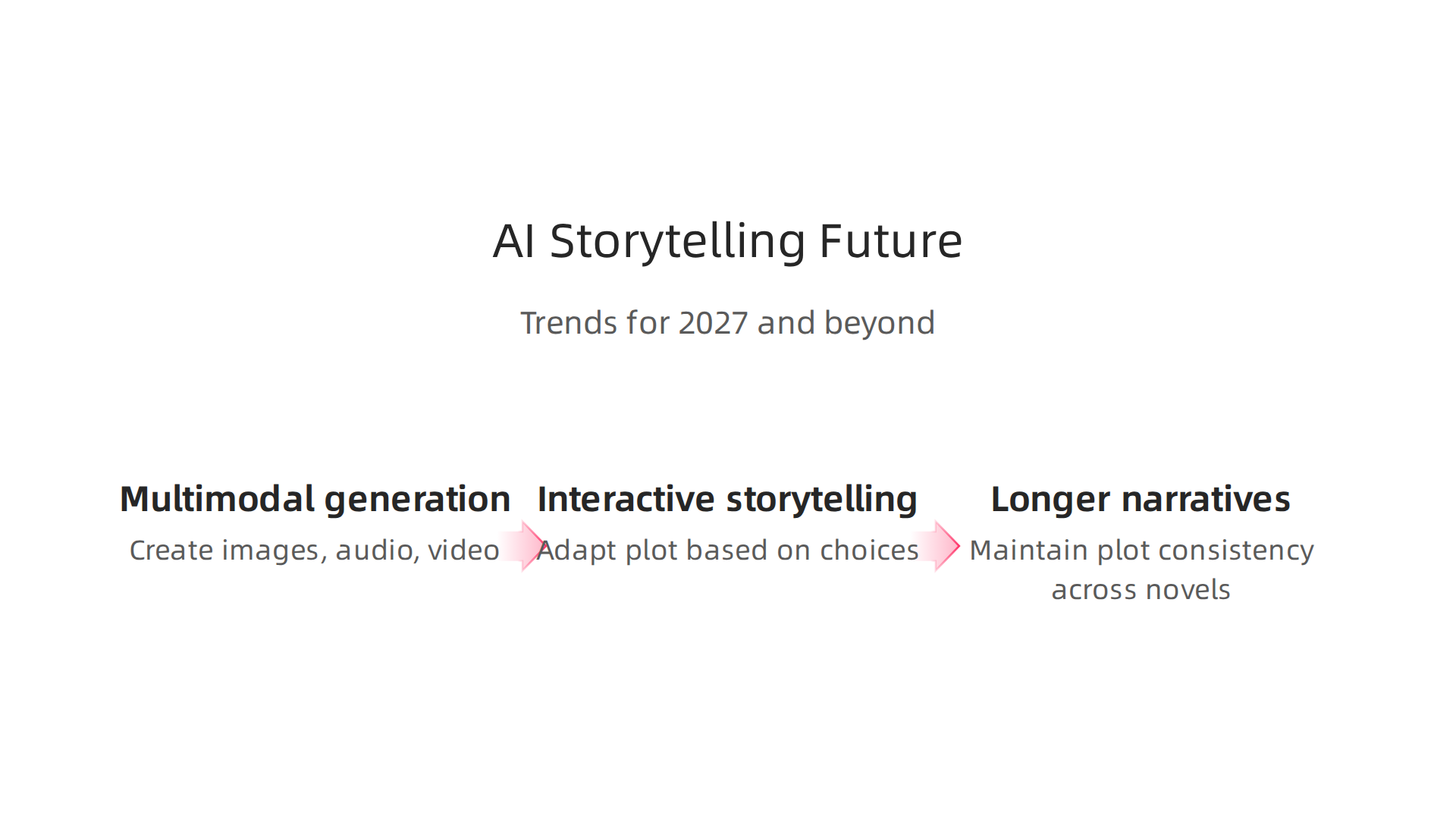
Multimodal generation is the first big shift. Instead of just writing text, future story tools will create images, audio, and even short video clips that match the narrative. Imagine telling a fantasy story and having the tool generate a map, a character portrait, and a sound effect for the dragon all in one go. This is already starting to happen, and it will only get better.
Interactive storytelling is another frontier. Think of choose-your-own-adventure stories, but powered by AI that adapts the plot based on reader choices in real time. Game developers and educational publishers are already testing these systems. They allow for deep, personalized experiences that traditional writing struggles to deliver.
Longer narratives are also coming. Today’s free generative ai tools can handle short articles and stories. But by 2027 and beyond, we will see tools that maintain plot consistency across novels, series, and even entire fictional universes. Persistent memory and character arc tracking will become standard features.
Impact on Publishing, Gaming, and Education
These changes will hit several industries hard. In publishing, indie authors will use AI to prototype stories faster, while traditional publishers will use it to generate outlines and marketing copy. In gaming, non-player characters (NPCs) will have their own backstories and evolving dialogue, making worlds feel more alive. In education, an ai answer generator could help students understand complex topics by generating personalized explanations in story form. These are not distant possibilities. According to detailed projections for AI advancement by 2027, the capabilities needed for these applications are arriving sooner than most people expect.
The Need for Responsible AI
But there is a catch. As AI storytelling grows more powerful, ethical questions become urgent. Who owns a story written by an AI? How do we prevent AI from spreading misinformation through convincing fake narratives? And how do we ensure that human creativity stays at the center, not replaced but enhanced? These are not easy questions.
The best path forward is to use AI as a partner, not a replacement. Writers and developers who embrace responsible AI use will build trust with their audiences. If you want to stay on top of these fast-changing trends, consider subscribing to The AI Newsletter Worth Reading for daily updates on what works and what matters.
For a deeper look at the technology behind these shifts, check out our guide on multimodal and agentic AI trends in 2026. It explains the building blocks that will power the next generation of story tools.
The future of storytelling is not just about better tools. It is about how we choose to use them.
Summary
This article explains what an AI story writer is, how modern generative models are tailored for fiction, and why these tools matter for writers, marketers, educators, and businesses. It covers core capabilities—plot generation, character creation, worldbuilding, and dialogue—plus the underlying technology that lets models keep longer context. The piece compares leading 2026 tools (Sudowrite, NovelAI, Claude, Jasper, Raptor Write), shows how to pick the right one for your genre and budget, and offers practical workflows for brainstorming, drafting, and preserving your authorial voice. It also discusses limitations—voice drift, clichés, and long-form coherence—plus expert strategies for using AI without surrendering creative control. Finally, it outlines market trends, investment angles, and future directions like multimodal and interactive storytelling so readers can choose tools and practices that scale with their projects.