Introduction
Have you ever felt like artificial intelligence is moving faster than you can track? You are not alone. In 2026, AI is no longer a futuristic concept. It is actively reshaping industries from healthcare to finance, and the results are real. Hospitals use AI to spot diseases earlier. Banks rely on it to catch fraud. Even your favorite streaming service uses AI to recommend what to watch next.
But here is the challenge. The pace of AI innovation is overwhelming. New tools, platforms, and breakthroughs appear every week. Professionals across every sector struggle to separate hype from what actually works. You need a clear picture of the most important artificial intelligence applications so you can make smart decisions for your work, your career, or your investments.

That is exactly what this article delivers. We have put together a structured overview of the most impactful uses of AI today, backed by data and expert insights. Whether you are just starting to ask "what is artificial intelligence with examples" or you are already familiar with the basics and want a deeper look, this guide will help you understand where AI adds real value right now.
Think of this as your ai overview for 2026. We cover everything from everyday tools to enterprise systems, and we keep it practical. If you want to dig even deeper into how businesses are scaling AI successfully, check out our guide on scaling artificial intelligence in enterprise operations.
Before you dive into the applications, here is a quick tip. The best way to stay current is to get smart updates delivered straight to your inbox. The Deep View Newsletter gives you clear, daily AI news and analysis so you never miss what matters. It is the kind of resource that turns information overload into actionable knowledge.
AI in Healthcare and Life Sciences: Diagnosis, Drug Discovery, and Beyond
Let’s start with a real problem. A patient walks into a clinic with a suspicious lung nodule. The radiologist has 100 scans to read that day. Fatigue sets in. A subtle early cancer gets missed. That scenario happens more than we like to admit. But in 2026, AI is changing that story.
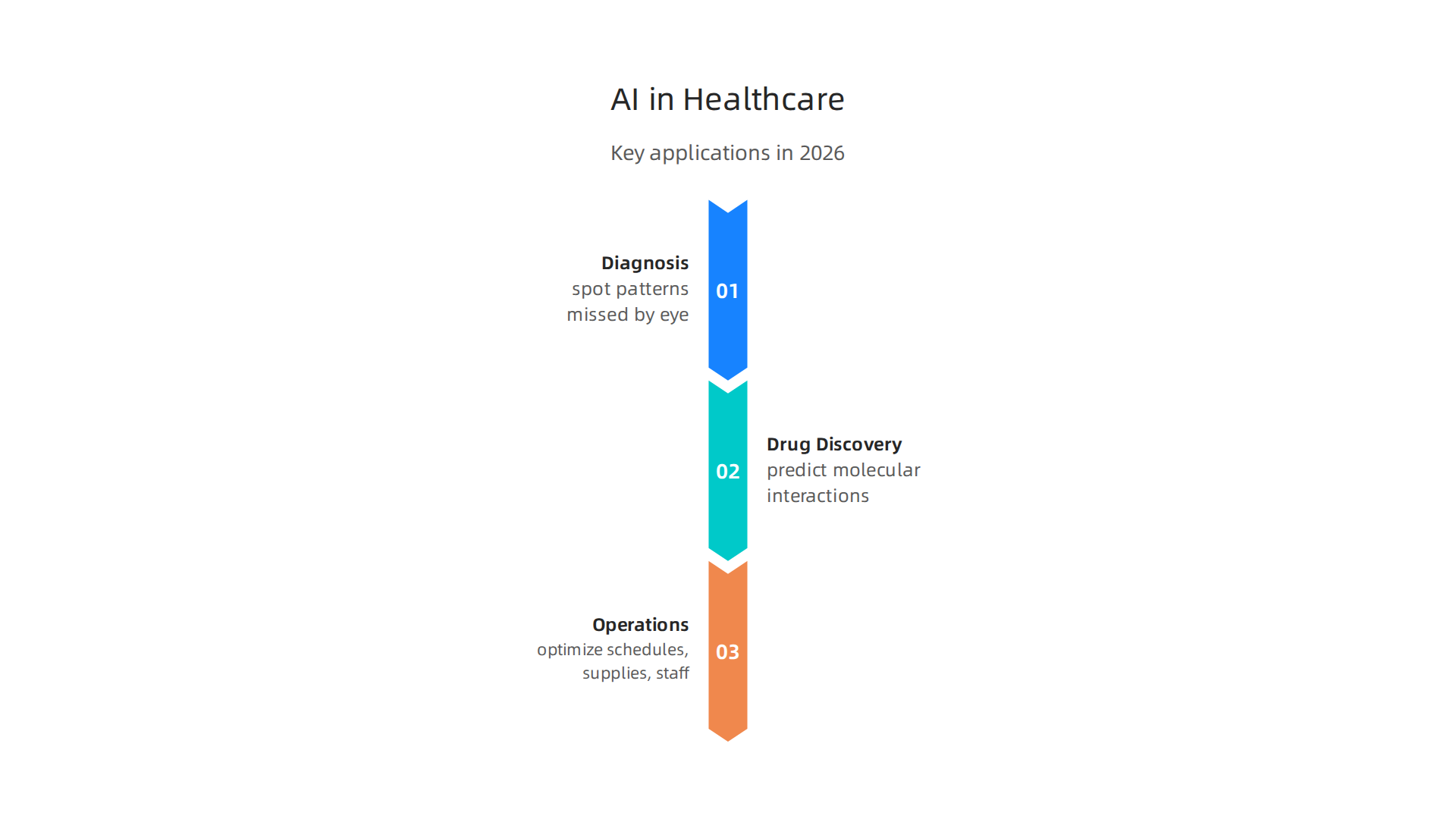
AI-powered diagnostic tools now match or even beat human experts in reading medical images. In radiology and pathology, these systems spot patterns the human eye can miss. They don’t get tired. They don’t lose focus. One recent breakdown of 31 AI use cases for healthcare shows that tools are already helping with everything from mammogram analysis to detecting diabetic retinopathy.
The accuracy is impressive, and the impact on early diagnosis is huge.
Beyond imaging, machine learning is also speeding up drug discovery. Instead of testing thousands of compounds in a lab over years, researchers now use models that predict molecular interactions and even protein folding. What used to take a decade can now happen in months. The NBER recently highlighted how AI can even deliver cognitive behavioral therapy effectively, cutting down symptoms of depression and anxiety. That’s a whole new way to think about mental health care.
Then there’s the behind-the-scenes work. Hospitals run on schedules, supplies, and staff. AI helps optimize all of it. From predicting patient admission rates to managing operating room schedules, these systems cut waste and improve care. The global AI in healthcare market was worth over $56 billion in 2026 and is projected to explode past $1 trillion by 2034. That growth tells you how much hospitals are betting on this technology.
If you are exploring how to bring these kinds of tools into your own organization, you might find our guide on scaling artificial intelligence in enterprise operations useful. The principles of scaling AI are similar whether you are in a hospital, a bank, or a factory.
The bottom line: AI is not just a nice addition to healthcare. It is becoming a core part of how we diagnose, treat, and manage care. That makes it one of the most important artificial intelligence applications you need to watch in 2026.
AI Transforming Financial Services: Fraud Detection, Trading, and Risk Management
Now imagine this: You swipe your card at a coffee shop. Two seconds later, your bank sends you a fraud alert for a purchase you never made. That speed is not magic. It is machine learning working in real time.
Financial services have embraced AI faster than almost any other industry.
According to McKinsey, 79% of financial services companies now use AI in some part of their operations. That number keeps climbing. And for good reason. The results are huge.
Catching Fraud Before It Hurts
Machine learning models now scan millions of transactions every second. They learn normal spending patterns for each customer. When something looks off like a sudden big purchase in another city the system flags it instantly. Some of these models catch fraud with over 95% accuracy. Banks use them to stop scams before money leaves your account. For a deeper look at how AI is reshaping entire industries, you can check out our guide on how videos on artificial intelligence can help you master AI. It gives you a clear AI overview across many fields.
Smarter Trading Machines
Algorithmic trading used to mean following simple rules like buy low, sell high. But in 2026, trading systems use natural language processing (NLP) to read news headlines, social media posts, and even central bank statements. They analyze sentiment and execute trades in milliseconds.
This is one of the most powerful artificial intelligence applications in finance today. A machine can scan 10,000 news articles in seconds and decide whether the market will go up or down. Human traders cannot keep up with that speed. The best ones use AI as a partner to make better decisions.
Better Lending Decisions
Credit risk is changing too. Banks used to look only at credit scores and income. Now they bring in alternative data like utility payments, rental history, and even social media behavior. Machine learning models find patterns that predict whether someone will pay back a loan.
This opens up credit for people who were invisible to the old system. It also lowers losses for lenders. Everyone wins.
What AI Means for You
Whether you bank, invest, or borrow money, AI is already working behind the scenes. It makes transactions safer, trading faster, and lending fairer. The future of AI in finance looks even more personal. Imagine a bank that knows your financial goals and helps you save automatically.
If you want to stay ahead of these changes and get daily insights on the biggest AI companies and trends, consider subscribing to the The Deep View Newsletter. It delivers clear, useful AI updates straight to your inbox.
This is what is artificial intelligence with examples in finance. Real tools solving real problems. And it is only getting bigger.
Autonomous Systems and Robotics: From Self-Driving Cars to Warehouse Automation
Now switch gears. Imagine a package arriving at your door just hours after you ordered it. Or a self-driving car picking you up in a city you have never visited. That is not science fiction anymore. That is artificial intelligence applications in the real world, running on autonomous systems and robotics.
In 2026, this technology has gone mainstream. Let us look at three big examples that show what is artificial intelligence with examples in the physical world.
Self-Driving Vehicles Hit the Streets
Autonomous vehicle fleets are now deployed in dozens of cities globally for ride-hailing and delivery. Companies like Waymo, Cruise, and Baidu have expanded their services well beyond test areas.
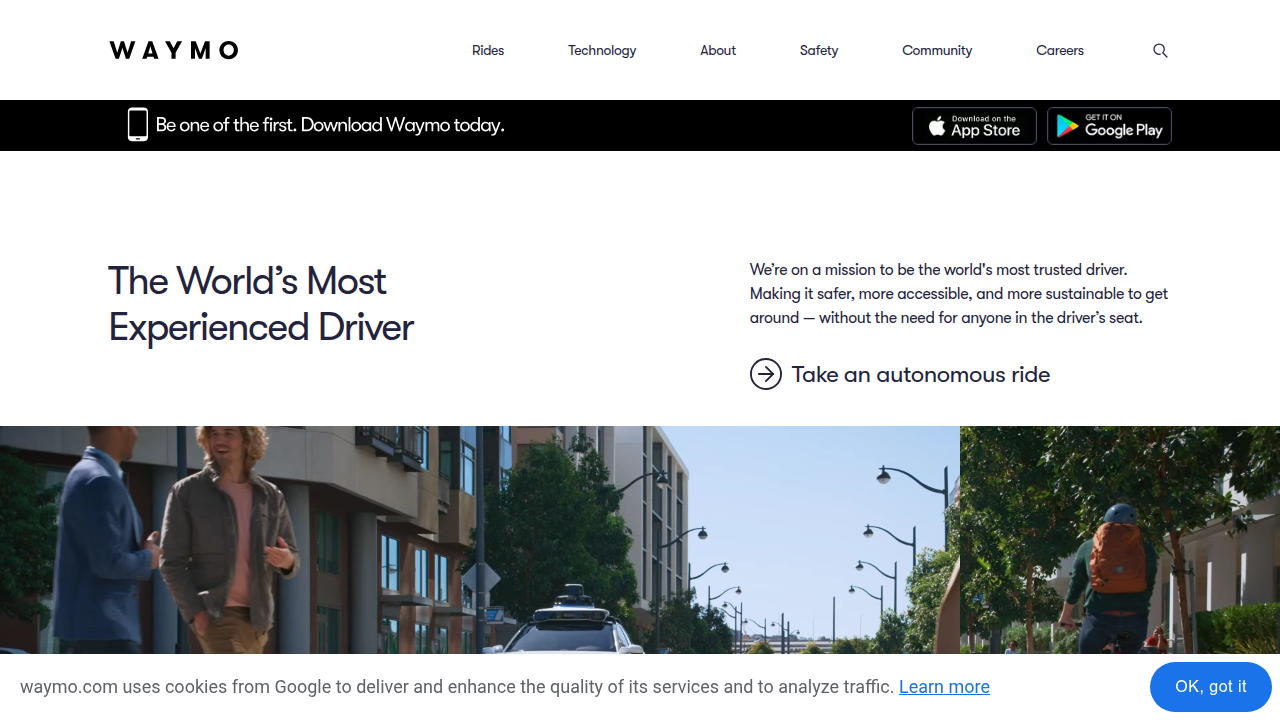
These cars use a mix of cameras, LiDAR, and deep learning models to navigate busy streets. They do not get tired or distracted. And they are already safer than human drivers in many conditions. This is a prime example of ai overview in action: a full system that senses, decides, and moves on its own.
Smart Robots That See
Industrial robots equipped with computer vision are improving manufacturing efficiency by a wide margin. In factories around the world, these robots inspect products, sort parts, and assemble items with incredible speed. They catch defects the human eye would miss. According to the AI Automation Stats 2026 report, the AI automation market crossed $169.46 billion this year, and 88% of enterprises now use AI automation in at least one function. Computer vision is a big part of that growth. These robots do not just repeat the same motion. They adapt when something changes on the line.
Cobots: Robots That Work With You
Collaborative robots, or cobots, are working right alongside humans in logistics and assembly.

They handle heavy lifting, repetitive packing, and precise sorting. People handle the thinking, decision making, and exceptions. This partnership makes warehouses faster and safer. In fact, Code Wave reports that 23% of enterprises are now scaling agentic AI systems that can handle complete workflows independently.
The future of AI here is clear. We will see more autonomous systems, smarter robots, and closer human-machine teamwork.
To keep up with these fast changes, stay informed with trusted daily insights. Consider subscribing to The Deep View Newsletter for clear updates on AI trends, including autonomous systems and robotics.
For more on how companies are scaling AI operations across their businesses, check out our guide on HubSpot AI enterprise operations for scaling artificial intelligence in 2026. It offers a practical ai overview of the tools and strategies driving this shift.
We just saw how autonomous systems and robots are reshaping the physical world. Now let’s talk about something that’s changing the digital world just as fast. Generative AI is the technology behind tools that write, draw, make videos, and even write code.
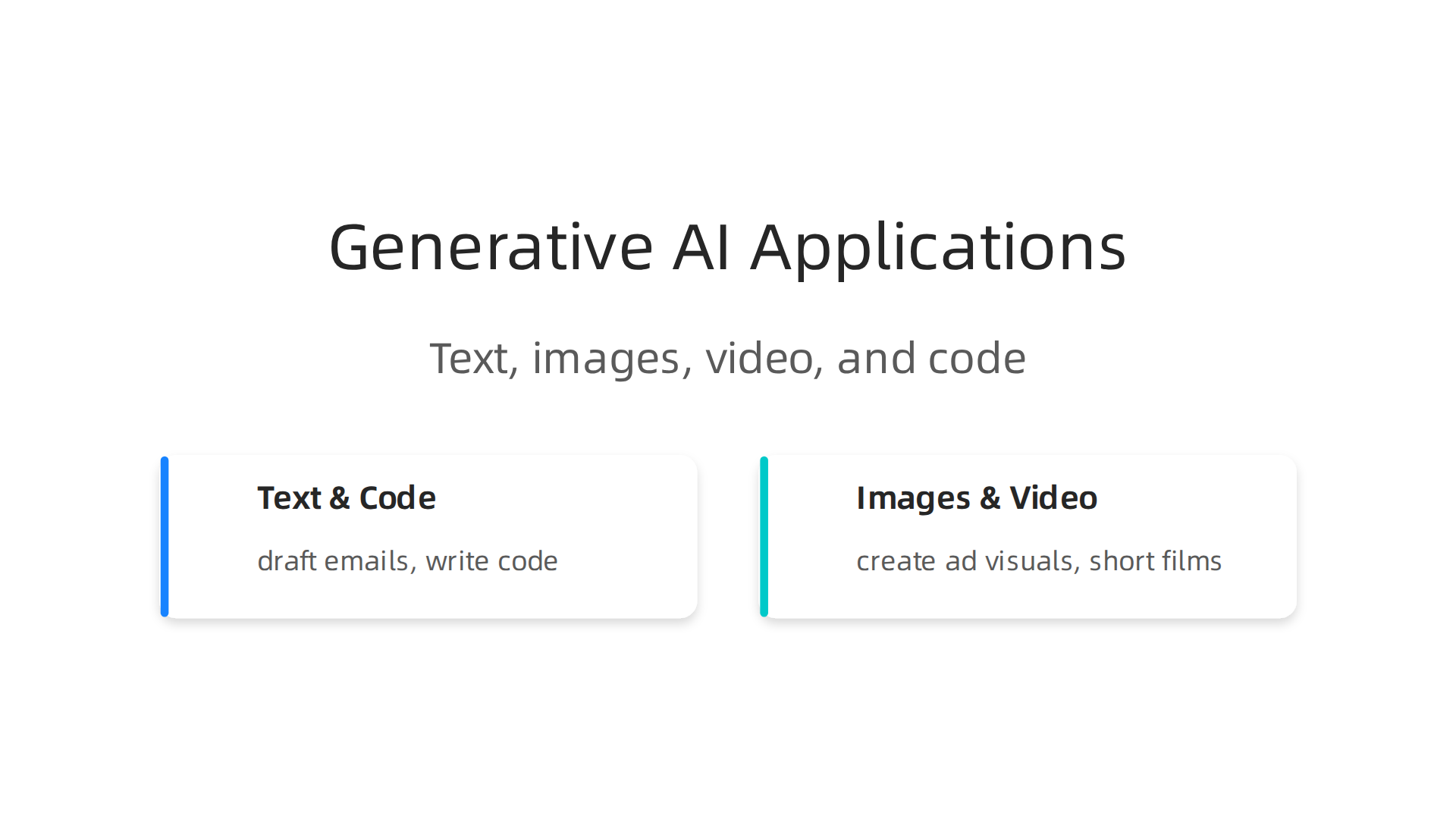
It’s one of the most exciting artificial intelligence applications out there. And in 2026, it’s everywhere.
How Businesses Use Generative AI for Text, Code, and Customer Service
Large language models, or LLMs, are the brains behind chatbots you talk to on websites, tools that draft emails or reports, and assistants that help programmers write code faster. Think of ChatGPT, Claude, or Gemini.
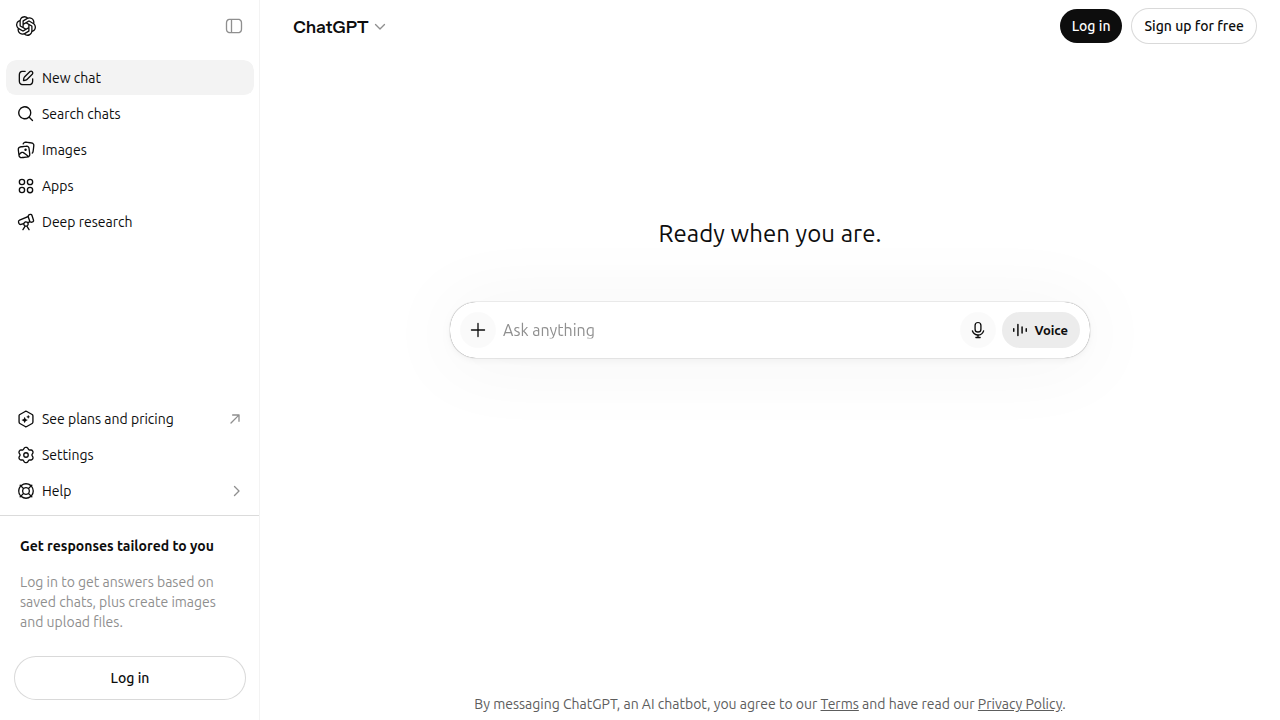
These models understand your request and generate human-like text in seconds. That’s a perfect answer to what is artificial intelligence with examples for anyone new to the field. According to the 2026 AI Index Report from Stanford HAI, the estimated value of generative AI tools to U.S. consumers reached $172 billion annually by early 2026. That’s a huge jump in just a year.
Across industries, generative AI is the most adopted AI technology, with an average of 81.3% of organizations using it, according to the State of AI 2026 report by Vention. In marketing alone, 64% of companies have already built generative AI use cases (Itransition). And 98% of marketers either use generative AI now or plan to within the next 18 months (Zapier). So if you feel like every business is trying to create content with AI, you’re right.
From Prompts to Photorealistic Images and Video
Image and video generation tools have improved so much that you can now type a sentence and get back a studio-quality picture or a short film. Marketers use these tools to create ad visuals, product mockups, and social media posts in minutes. Designers use them to brainstorm concepts. Tools like Midjourney, DALL-E 3, and Runway make it easy. This is a great ai overview of how far the technology has come.
But there’s a catch. The future of ai in content creation brings real concerns. Copyright questions are messy. Who owns an AI-generated image? Misinformation is another worry. Fake videos and realistic images can spread lies quickly. That’s why many companies now push for watermarking. You’ll start seeing invisible markers on AI content to tell you what’s real and what’s machine-made.
The Bottom Line for Creators and Businesses
Generative AI saves time and money. It helps you write, design, and code faster. But you still need human judgment to make sure the output is accurate, safe, and on-brand. If you want to learn how to make AI content sound more natural, check out our guide on how to humanize AI text with proven techniques and top tools.
And to stay ahead of all these fast changes, get clear daily updates. Subscribe to the The Deep View Newsletter for honest, no-nonsense AI news that helps you understand the trends shaping 2026.
AI for Enterprise Operations and Productivity: Customer Service, Supply Chain, and HR

You probably deal with AI chatbots every time you ask for customer support. In 2026, these systems handle a huge share of service inquiries, often cutting response times by half. That’s one of the most practical artificial intelligence applications in business today. According to AI Automation Stats 2026, 88% of enterprises now use AI in at least one function. And customer service is a top area. Chatbots powered by large language models understand your problem and solve it fast without making you wait. Some go further and handle complex returns or account changes on their own.
Supply chain operations have changed too. AI now predicts demand better than old methods. It watches inventory levels and orders stock before you run out. That cuts waste and saves money. Companies using supply chain AI report fewer delays and less overstock. This is a perfect example of what is artificial intelligence with examples for anyone learning how AI improves logistics.
HR teams also rely on AI more than ever. Resume screening used to take days. Now AI scans thousands of applications in minutes and picks the best fits. It also reads employee surveys to check how people feel about their work. Some systems even predict who might quit so managers can step in early. These tools make hiring faster and keep teams happier.
If you want to see how one platform ties all these use cases together, read our guide on HubSpot AI for enterprise operations. It shows you a real system that scales customer service, supply chain, and HR with AI.
And to stay ahead of every new development, get honest daily updates. Subscribe to the The Deep View Newsletter for clear AI news that helps you understand where the future is heading.
Frontier Research and Foundation Models: LLMs, Multimodal AI, and the Next Wave
So we just saw how AI is already changing real business operations. But the real magic happens in the labs. In 2026, foundation models are getting bigger and smarter.

And they are doing something new. They now understand text, images, and audio all at once. That’s called multimodality. It means you can show a picture to a model and ask it questions about what it sees. Or you can record a voice memo and get a written summary back. This is where the artificial intelligence applications that matter most will come from in the next few years.
The numbers back this up. According to the Stanford HAI 2026 AI Index Report, generative AI tools added an estimated $172 billion in value to U.S. consumers in early 2026. That is a huge jump from just a year earlier. And it shows how fast these models are becoming part of everyday life.
What is really exciting in 2026 is that open-source models are catching up to the big proprietary ones. Companies like Meta with Llama and Mistral with their models are letting anyone download and use them. This means smaller teams and even individual developers can build powerful AI without paying huge fees. That democratization is one of the biggest shifts in the ai overview right now. It is changing who gets to play in this space.
At the same time, researchers are focusing hard on making models more efficient and better at reasoning. They want AI that thinks step by step and explains its logic. And they are working on alignment, making sure these models do what we want and stay safe. The Master of Code data shows that 40% of enterprise applications will include task-specific AI agents by the end of 2026. That means these models are moving from general chat to doing actual jobs.
This is where the future of ai is heading. Soon models will not just answer questions. They will plan, execute, and learn on their own. To understand how close we are to that reality, check out our guide on what artificial general intelligence images actually mean and how to choose them. It helps you see the difference between today’s AI and true general intelligence.
And if you want to follow every breakthrough as it happens, you need a reliable daily source. Subscribe to the The Deep View Newsletter for clear, honest updates on frontier research and the companies leading it.
Ethical and Societal Implications: Bias, Regulation, and the Future of Work
All this progress in frontier models sounds amazing. But here is the truth we cannot ignore. As we build smarter systems, we also build in our own flaws. Artificial intelligence applications in 2026 still struggle with bias.
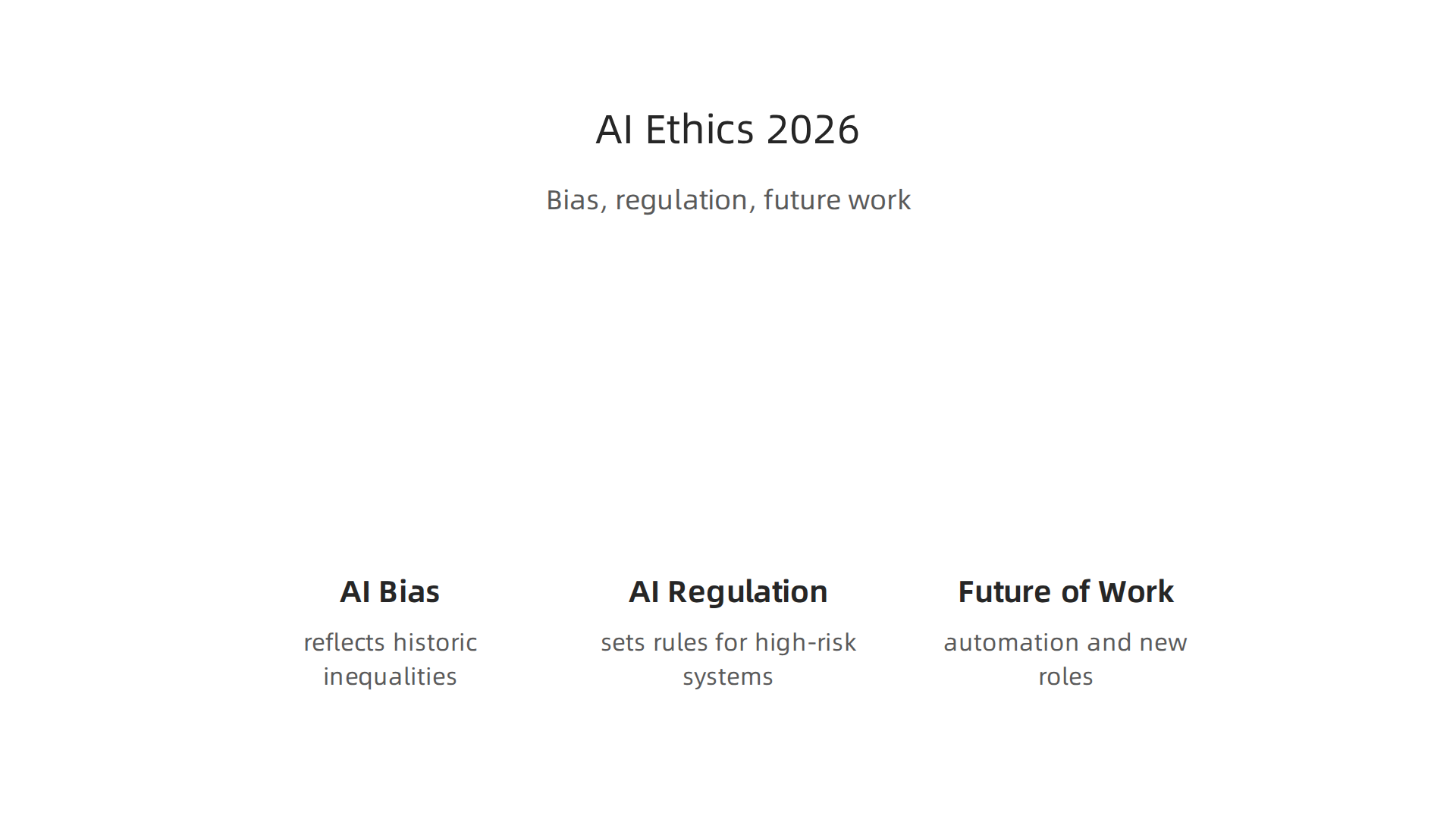
The data these models learn from often reflects historic inequalities. A hiring tool might favor certain resumes. A facial recognition system might work worse for dark skin tones. Without care, AI can repeat and even magnify the problems we already have. That is why responsible AI must protect human rights like privacy, equality, and freedom from discrimination.
Governments are stepping in. The EU AI Act is the biggest example. It entered into force in 2024 and will be fully applicable by August 2026. This law sets clear rules for high-risk AI systems, including those used for employment decisions. Companies must show their models are fair, transparent, and safe. Similar laws are popping up around the world. If you are building or buying artificial intelligence for your business, you need to know what is coming. The AI regulation landscape for 2026 is complex, but knowing the rules helps you stay ahead.
What about jobs? This is the fear most people have. Will AI replace us? The picture in 2026 is more subtle than panic headlines suggest. The SHRM State of AI in HR 2026 Report found that 77% of HR professionals say AI use has had no impact on their job security. At the same time, some tasks are being automated. The World Economic Forum predicts AI and information processing will affect 86% of businesses by 2030. But new roles are being created too. The key is reskilling. Companies that invest in their workforce now will thrive. For a deeper look at what is artificial intelligence with examples in everyday work, check out our guide on how to humanize AI text with proven techniques. It shows you how to use AI while keeping a human touch.
Navigating all these ethical and regulatory shifts is not easy. But you do not have to do it alone. Get clear, honest daily updates on the biggest stories in AI ethics and regulation with The Deep View Newsletter. Subscribe here to stay informed and make better decisions.
Summary
This article gives a practical, structured overview of the most impactful artificial intelligence applications in 2026, showing where AI is already delivering real value and where it’s headed next. It walks through major domains — healthcare (diagnosis, drug discovery, operations), financial services (fraud detection, algorithmic trading, lending), autonomous systems and robotics, generative AI for content and code, and enterprise productivity (customer service, supply chain, HR) — and explains the underlying advances in foundation models and multimodality. The piece also covers ethical and regulatory challenges like bias and the EU AI Act, plus the workforce implications and the need for reskilling. Readers will come away able to identify high-value AI use cases, understand practical benefits and risks, and find next steps and resources to evaluate or scale AI inside their organizations.