Introduction
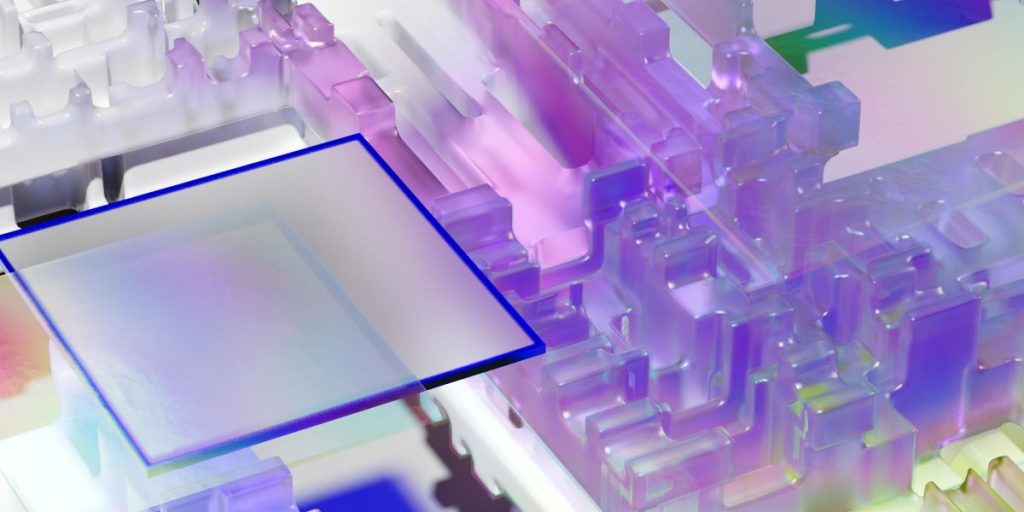
You see them everywhere. A glowing brain floating inside a glass case. A humanoid robot staring into the distance. A web of bright lights that looks like a map of the human mind. These are the most common results when someone searches for "artificial general intelligence images". But here is the truth. True artificial general intelligence does not exist yet. It is still a goal, not a finished product. So how can we take a picture of something that has not been built yet?
The way we show AGI shapes how people understand it. A misleading "picture of artificial intelligence" can create fear, false hope, or confusion.

Investors rely on these visuals to make funding decisions. The public uses them to form opinions about what is coming next. Even researchers admit that the way we visualize AGI influences the direction of the science itself. According to Wikipedia, artificial general intelligence is a hypothetical type of AI that would match or surpass human capabilities across nearly everything. That is a massive idea. And it is very hard to capture in a single photo.
This is why we need to talk about the "image artificial intelligence" we choose to use. In 2026, companies like OpenAI and DeepMind are making bold claims about how close we are to reaching AGI. Some say we are 70 percent there. Others argue we are still far away. The "videos on artificial intelligence" and images that accompany these claims play a huge role in how believable they feel.
In this article, we will clear up the confusion. We will look at what AGI really is, why its visual representation matters so much, and how you can find or create "artificial general intelligence images" that actually make sense. You will learn how to spot misleading visuals and understand what real progress looks like.
If you want to stay updated on the latest breakthroughs in AI and AGI, getting clear daily information is the best way to cut through the hype. That is why I recommend checking out The Deep View Newsletter.
It delivers practical insights straight to your inbox. And if you want to see how AI is already creating content today, take a look at our guide on how text to video AI works in 2026. It shows a real step toward the kind of general intelligence we hope to see one day.
What is AGI? Defining Artificial General Intelligence
So what does "artificial general intelligence" actually mean? It is a simple question with a complicated answer. And that is part of why the picture of artificial intelligence we see online can be so confusing.
According to Wikipedia, artificial general intelligence is a hypothetical type of AI that would match or surpass human capabilities across virtually all tasks. That is a massive claim. And it helps us understand why we cannot just snap a real photo of it yet.
The idea of AGI actually comes from psychology. Researchers studying human intelligence noticed something they called the "g factor," a general mental ability that seemed to underlie everything from math to music. AGI aims to replicate that broad intelligence in a machine. That is the goal.
Now, here is the important contrast. Almost every AI system you use today is what experts call "narrow AI." Think about ChatGPT helping you write an email, DALL-E creating an image, or your GPS finding the fastest route. These tools are incredibly good at one specific thing. But they cannot learn a new task on their own. An AGI would be different. It could reason, plan, and solve problems across many different areas without needing to be retrained from scratch.
Researchers point to several key properties that define AGI. A detailed study in Cosci Press breaks down the core traits. The most important ones include:
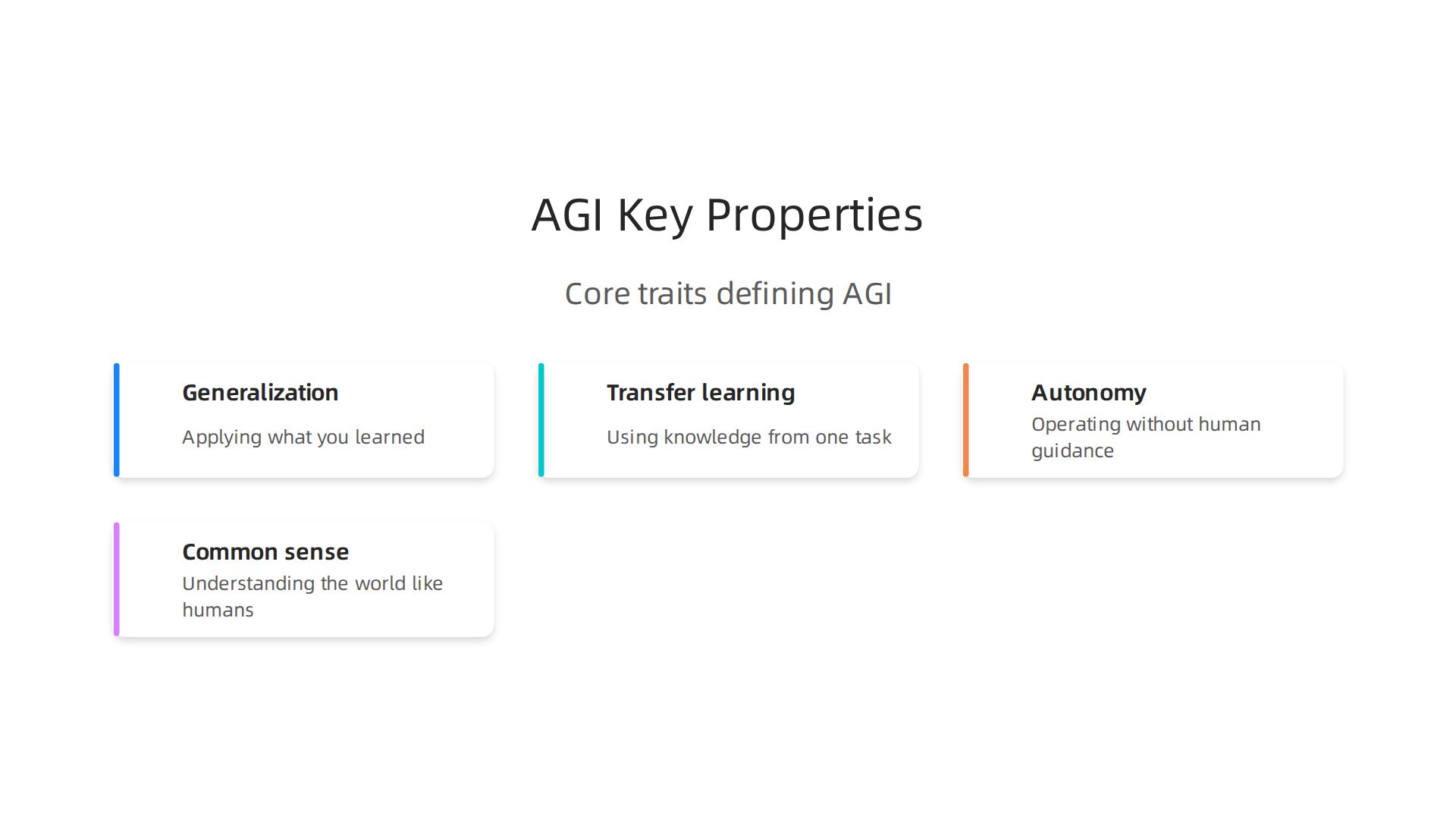
- Generalization: Applying what you learned in one area to a completely new situation
- Transfer learning: Using knowledge from one task to help with another task
- Autonomy: Operating without constant human guidance
- Common sense: Understanding the world the way humans do, without needing every rule spelled out
Common sense is the hardest one. Machines still struggle with it.
To help track progress, DeepMind published a framework in 2025 that defines five levels of AGI, from basic to superhuman. This gives researchers a structured way to measure how close we are getting.
So where do we actually stand in 2026? It depends on who you ask. OpenAI claims we are about 70 percent of the way there. But a prominent cognitive scientist argues we are nowhere close. That gap shows just how slippery this definition really is.
This lack of a finished product is exactly why artificial general intelligence images are so open to interpretation. Without a real system to photograph, creators fall back on symbols like glowing brains, circuit board patterns, or humanoid robots. None of these capture what AGI actually is. They just show what we imagine it might look like.
If you want to see how today’s narrow AI actually works instead of just dreaming about tomorrow’s AGI, check out our guide on how videos on artificial intelligence can help you master AI in 2026.

It shows the real tools we have right now.
And to stay on top of every new breakthrough in this fast moving space, I recommend The Deep View Newsletter. It delivers clear daily AI updates straight to your inbox. No hype. Just facts.
The Challenge of Visualizing AGI
If you search for artificial general intelligence images online, you will see a lot of glowing brains, humanoid robots, and circuit board patterns. They look cool, but here is the problem: none of them are real. We have no actual picture of artificial intelligence that is truly general. And that makes every image you see a guess.
The biggest reason is simple. AGI does not exist yet. According to DataCamp’s overview, AGI is still a hypothetical system. No machine today can match human intelligence across all tasks. So any image artificial intelligence creators use is based on imagination, not reality.
That leads to a second problem. AGI is an abstract concept. It is not a single object or machine you can photograph. It is a set of abilities like reasoning, planning, and learning. How do you take a picture of a set of abilities? You cannot. The abstract nature of AGI means there is no universally accepted visual.

A study in the Philosophical Transactions of the Royal Society explains how modeling the world is a core challenge for both natural and artificial intelligence. That complexity makes a simple image impossible.
Then there is the risk of oversimplification. When creators use human-like robots or glowing brains, they accidentally make AGI seem too human or too simple. A researcher at IBM Watson once gave a talk on this exact challenge, showing how difficult it is to visualize something that does not yet have a physical form. The visual metaphors we use can mislead people about what AGI really is.
If you want to see how today’s AI actually creates images and videos instead of guessing about tomorrow’s, check out our guide on text-to-video AI in 2026. It shows real tools that work right now, using narrow AI to generate visuals. That is the current state of image artificial intelligence.
The ARC-AGI benchmark also shows just how far we are from general intelligence. It tests how well an AI can learn and generalize from very few examples, something humans do easily. The fact that even the best AI systems still struggle with this benchmark proves we are not ready for a real photo. We are still stuck with symbols and guesses.
Historical Attempts: From Sci‑Fi to Academic Visualization
You have probably seen the classic sci‑fi images. A chrome robot with glowing red eyes. A human brain wrapped in wires. A skull with circuits inside. These artificial general intelligence images have been around for almost a century. But here is the thing: they are not based on real research. They are just guesses from storytellers.
Science fiction started it all. Movies like Metropolis (1927) and books by Isaac Asimov gave us humanoid robots and thinking machines. Those fictional pictures of artificial intelligence shaped how generations imagined AGI. Even today, stock photo searches for “AGI” still pull up those same glowing brains and metal faces. The problem is that these images make AGI look like a single object you could touch. But as we covered earlier, AGI is closer to a set of abilities than a thing.
As AI research got serious in the mid‑1900s, academics and companies tried their own visuals. Early computer scientists used flowcharts and block diagrams to explain how a thinking machine might work. By the 1980s and 1990s, those charts turned into neural network diagrams with circles and arrows. They looked more like wiring schematics than brains. These technical pictures were more accurate but still abstract. They showed the structure of an algorithm, not a true picture of artificial general intelligence.
Today, the shift is clear. Modern visualizations are almost never humanoid. Instead, you see complex networks, heat maps, and geometric patterns. This change mirrors a bigger shift in AI research. Instead of trying to build a robot that thinks like a person, researchers now focus on deep learning and pattern recognition. As one researcher at IBM Watson pointed out, visualizing this kind of intelligence is incredibly hard because it has no physical form. The ARC‑AGI benchmark tests how well an AI can learn from just a few examples. That skill is far removed from a robot body.
If you want to see how modern tools actually generate visuals today, check out our guide on text‑to‑video AI in 2026. It shows how narrow AI creates videos right now, which is very different from those old sci‑fi guesses.
The best way to stay updated on real AGI progress is through a trusted daily source. Get clear, daily AI updates from The Deep View Newsletter. It cuts through the hype and gives you the facts.
Key Elements in AGI Imagery
So what do modern artificial general intelligence images actually show? Most blend two worlds: biology and technology. You will often see glowing neuron shapes next to circuit board lines. A human brain merged with metal. This mix is not random.
A 2026 study found that AI systems solve visual tasks using internal strategies the human brain may not use at all. That explains why many picture of artificial intelligence looks abstract instead of lifelike. Creators try to show an intelligence that thinks differently from us.
Common motifs include:
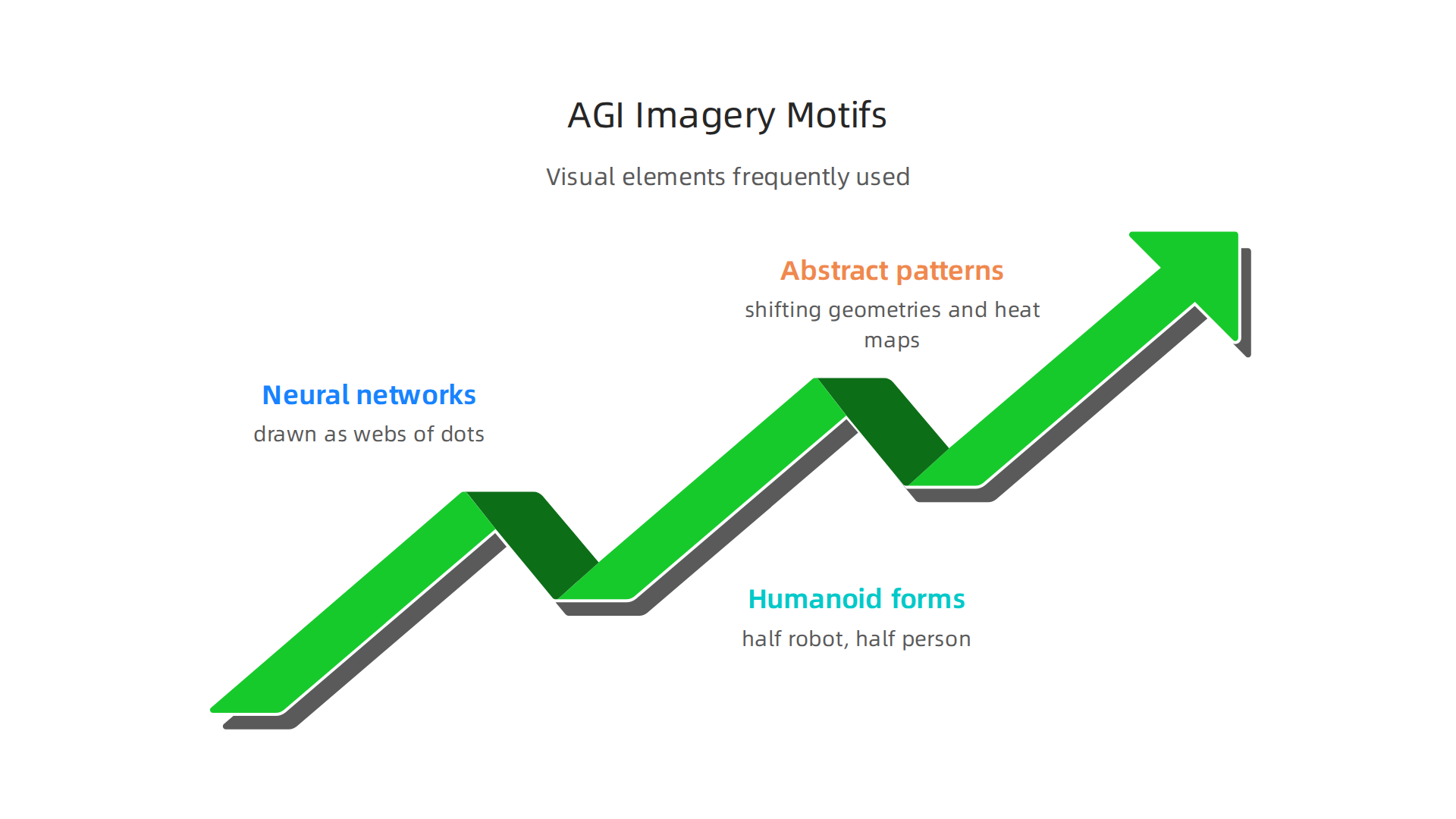
- Neural networks drawn as webs of colorful dots and lines
- Humanoid forms that are half robot, half person
- Abstract patterns like shifting geometries and heat maps
These elements appear in almost every image artificial intelligence today. They reflect two things: the way deep learning works under the hood, and our old cultural habit of imagining smart machines as people in metal skin.
If you want to see how AI handles moving imagery, check out our guide on videos on artificial intelligence. It shows how modern tools create video, which relies on the same brain like patterns.
For a daily look at real AGI progress, get clear updates from The Deep View Newsletter. It cuts through the hype and shows you what the latest research actually means.
Neural Networks and Brain Analogies
You have probably seen the classic image artificial intelligence: a glowing web of dots and lines that looks just like a brain scan. These visuals make AI feel familiar and alive. But here is the thing. That brain like picture of artificial intelligence may be misleading.
A 2026 study found that AI systems solve visual tasks using internal strategies that the human brain may not use at all. So when you look at an image artificial intelligence based on neuron shapes, remember that real AI learning works differently under the hood. The metaphor helps us grasp complexity, but it leaves out how machines actually process information.
Today, creators are updating these visuals. Instead of simple neural webs, you now see attention maps and transformer architectures in modern artificial general intelligence images. These newer graphics highlight the parts of an input the model focuses on, revealing a more honest view of how AI really thinks.
This shift matters because understanding the true mechanism behind AI helps you use it better. If you want to see how modern neural networks power real world tools, check out our guide on text to video AI in 2026. It shows how transformer based models create video from scratch, a process far removed from simple brain analogies.
To stay ahead of these rapid changes, get daily clarity from The Deep View Newsletter. It cuts through the hype and explains what the latest research actually means for your work.
Embodiment and Humanoid Forms
When you picture artificial general intelligence, what comes to mind? For most people, it is a humanoid robot. Think of movies like Terminator or Her. These metal and plastic bodies become the default visual for smart machines. They look like us, so we assume they think like us too.
But here is the thing. This image artificial intelligence comes with a built in tension. On one hand, a humanoid form suggests a helper. A robot that can open doors, carry groceries, and care for the elderly. That feels hopeful. On the other hand, the same shape can feel threatening. A machine that walks, talks, and might replace your job or even challenge your place in the world.
That is why many AI companies today deliberately avoid humanoid visuals in their brand. They show abstract interfaces, glowing data streams, or simple chat bubbles instead. They want you to see a tool, not a rival. A 2026 study even found that today’s AI systems solve visual tasks using strategies the brain does not use. So the human form is not just misleading. It is inaccurate.
If you want to see how the industry actually shows off its technology, check out our guide on how videos on artificial intelligence can help you master AI in 2026. It breaks down which visual cues are honest and which are just hype.
To stay sharp on what these images really mean for your business, get the daily update from The Deep View Newsletter. It filters the noise and gives you the real story behind the pictures.
Abstract and Futuristic Concepts
So if humanoid shapes are misleading, what do accurate artificial general intelligence images look like? Many designers now turn to abstract motifs. Think geometric shapes, pulsing light beams, and swirling digital patterns. These picture of artificial intelligence options suggest raw intelligence without a human face or body. They feel smart but not threatening.
This shift is more than artistic preference. A 2026 study found that today’s AI systems solve visual tasks using internal strategies the brain does not actually use. Because machines process information differently, it makes sense to show them as something other than humans. Abstract visuals align better with a non human AGI. They remind us that general intelligence might look like a shimmering grid or a data stream, not a walking robot.
The rise of text-to-image tools has also created a new wave of abstract AGI art. Anyone can now generate an image artificial intelligence that feels futuristic. Want to see how these generative tools work? Check out our breakdown of text-to-video AI in 2026 to understand the tech behind the visuals.
For a clearer picture of where AGI is really heading, get the daily update from The Deep View Newsletter. It helps you separate real breakthroughs from the flashy imagery.
The Role of AGI Images in Communication and Marketing
When you hear the term “AGI,” what picture comes to your mind? For most people, that first mental image comes from the visuals they see in news articles, startup websites, or social media posts. In 2026, artificial general intelligence images are often the very first touchpoint between the public and a complex, futuristic technology. That first impression matters a lot.
Companies know this. Big labs like Google DeepMind and OpenAI, and smaller startups, use very different visual strategies. A well funded lab might show sleek, abstract patterns to signal deep, mysterious intelligence. A startup trying to attract venture capital might show a glowing brain or a friendly robot to suggest approachability and innovation. These choices are not random. They are designed to build a specific brand identity.
Brand storytelling, as explained in The Complete Brand Archetype Guide 2026, shows how visual choices tap into universal patterns that connect with people on a psychological level. An abstract, geometric picture of artificial intelligence can make a company feel cutting edge and scientific. A more humanoid image can make the same technology feel safe and understandable.
This visual branding shapes real world outcomes. Investors see a polished image artificial intelligence and feel more confident about putting money into a project.

The imagery also influences public policy. When lawmakers see pictures of AGI that look threatening or out of control, they may push for harsh regulations. When they see calm, helpful visuals, they may be more open to supporting research. The way we show AGI directly affects how the world treats it.
For startups and labs, choosing the right visual identity is a strategic move. It helps attract top talent who want to work on something that looks smart and exciting. It also helps build trust with customers who may be wary of AI. Want to see how different AI companies present themselves through video and visuals? Check out our guide on how videos on artificial intelligence can help you master AI in 2026 to see real examples.
Ultimately, the artificial general intelligence images we see today are shaping tomorrow’s expectations. They are more than decoration. They are a key part of how we understand and interact with this powerful technology. Stay ahead of the visual trends and the real news behind them. Get the daily update from The Deep View Newsletter to separate flashy marketing from genuine breakthroughs.
Analyzing the Most Common AGI Visual Archetypes in 2026
If you search for "artificial general intelligence images" today, you will notice clear patterns. Most AGI images fall into one of four main visual archetypes. Each one sends a very different message to the viewer.
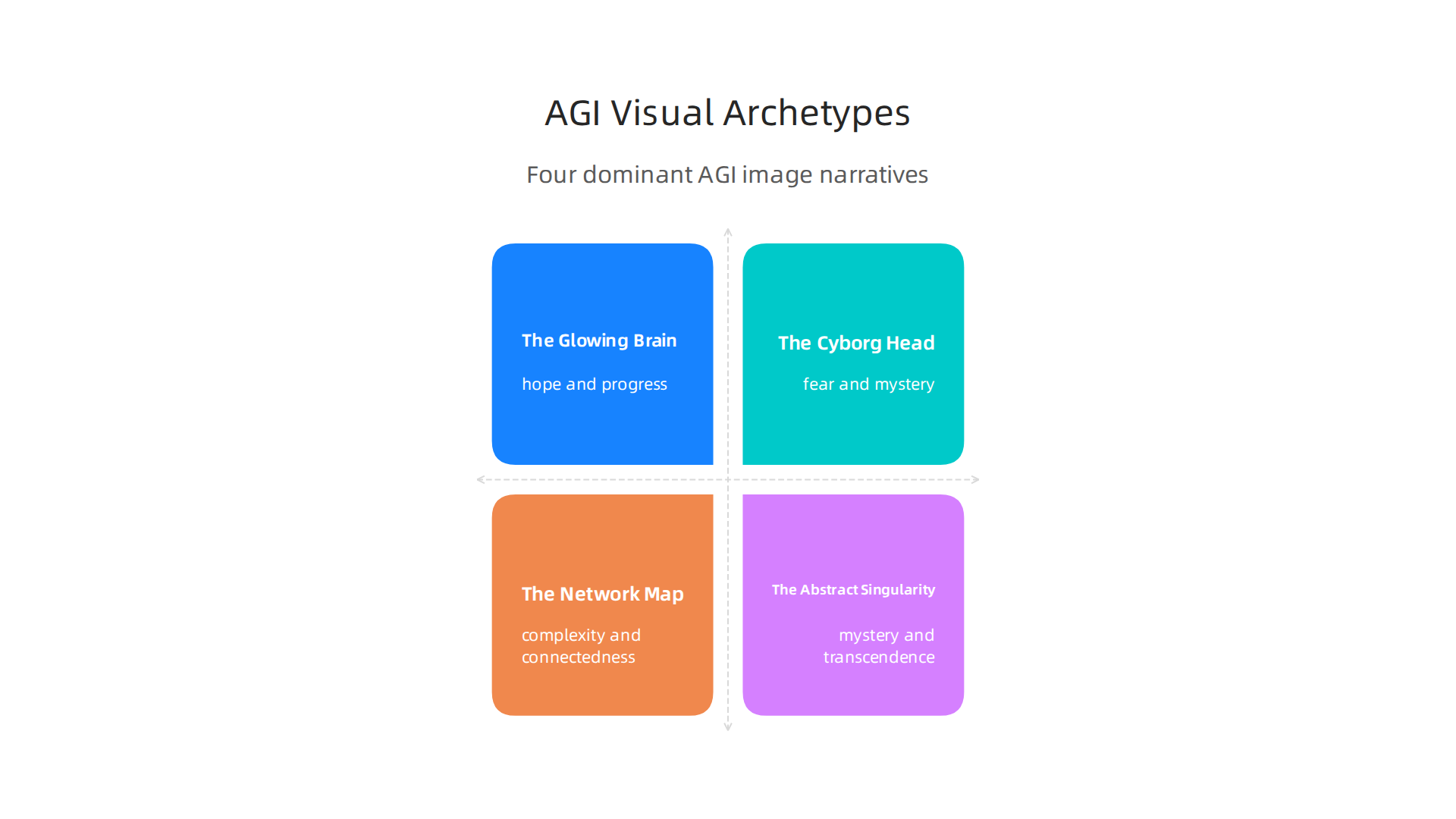
The Glowing Brain
This is the most popular choice. It shows a human brain glowing blue, pink, or purple against a dark background. The narrative here is hope and progress. It tells people that AGI comes from human intelligence and will help us solve big problems. Companies that want to seem optimistic and collaborative often pick this picture of artificial intelligence.
The Cyborg Head
A metallic or futuristic human face, half organic and half machine. This archetype plays on fear and mystery. It reminds us of sci-fi movies where AI takes over. Startups or labs that want to seem powerful or awe inspiring sometimes use this look. It gets attention, but it can also make people uneasy.
The Network Map
A web of glowing dots and lines that looks like a galaxy or a brain scan. This image artificial intelligence suggests complexity and connectedness. It works well for companies that want to appear deeply technical. It says, “We understand the inner workings of AGI.” This archetype is common in B2B marketing.
The Abstract Singularity
A bright point of light, a swirl of colors, or a geometric shape that feels almost magical. The narrative here is mystery and transcendence. It makes AGI seem like something beyond normal understanding. This choice is popular with labs doing frontier research. It signals that they are working on something truly new.
These visual patterns are not accidents. They tap into the same psychological triggers that brand experts use. As the Develop Brand Archetype framework explains, archetypes connect with people on a deep, unconscious level. The artificial general intelligence images we see are carefully selected to trigger specific emotions.
A visual audit of 2026’s top AI companies shows a clear shift. In early 2025, glowing brains were everywhere. Today, more companies are moving toward abstract singularity images. They want to seem less human and more advanced. This change mirrors the industry’s focus on building AGI that is not just a bigger chatbot.
Want to see how these visual trends show up in actual product demos and explainer videos? Our guide on text to video AI in 2026 shows how companies turn their visual identity into moving content.
The way we picture AGI today tells us what companies believe about the future. Are they building a partner, a tool, or something entirely new? The answer is right there in the image. To stay on top of the real stories behind the pictures, get the daily update from The Deep View Newsletter. It cuts through the visual noise and delivers the facts.
How to Choose or Create Effective AGI Visuals
So you need a picture of artificial intelligence for your website or presentation. Which archetype do you pick?
It is easy to just grab the first glowing brain you see. But here is the thing. Your choice teaches people how to feel about your work.
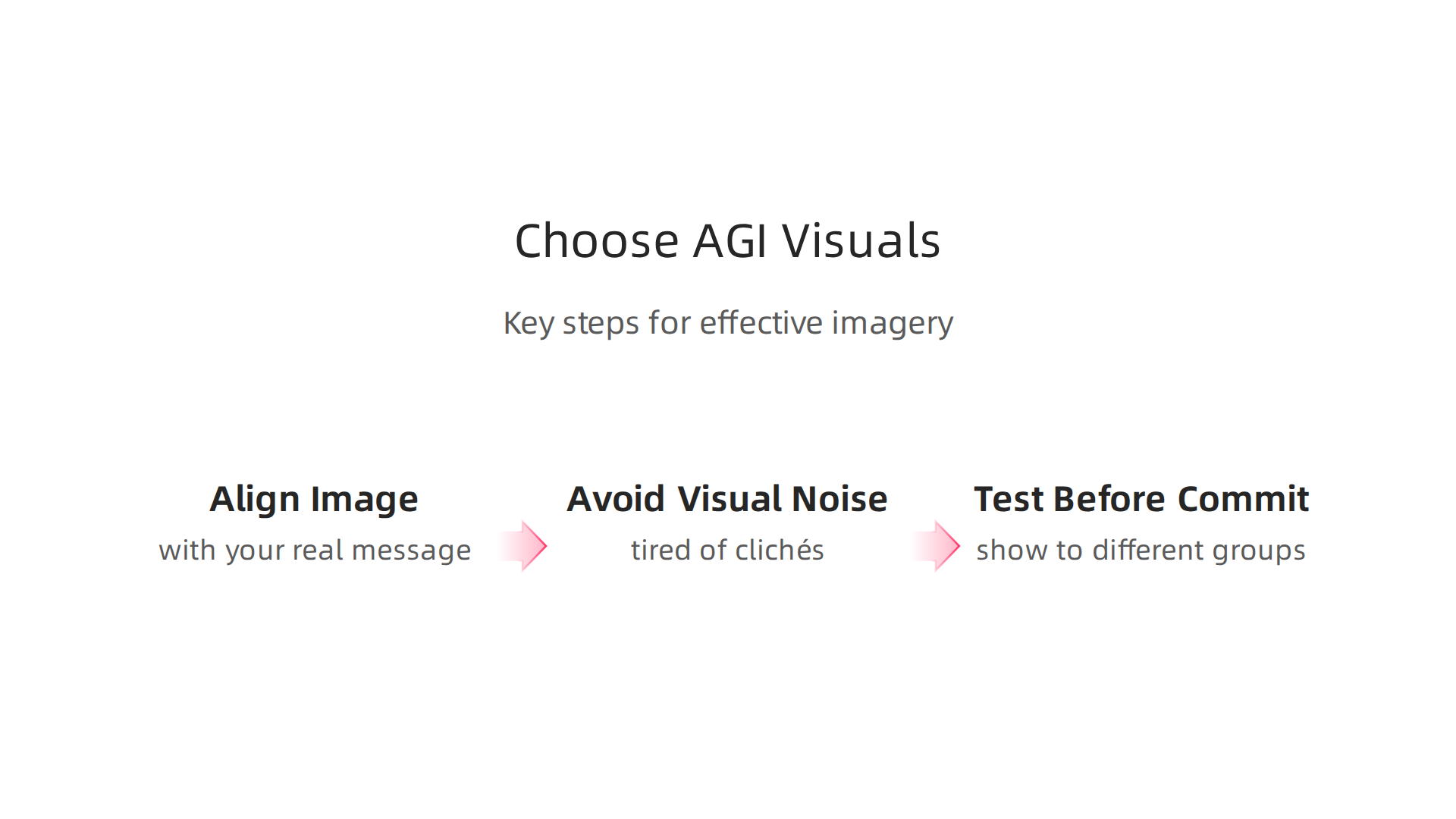
Align your image with your real message.
First, look inward. What is your organization actually trying to say? If you want to be seen as a trustworthy partner, a warm and organic visual works. If you want to be seen as a technical leader, a systemic network map is better. Your image artificial intelligence must match your brand, not just your favorite sci-fi movie. The graphic design trends for 2026 report shows that audiences now spot fake or generic visuals instantly. They want honest, ethical imagery.
Avoid the visual noise.
Here is the problem. Audiences in 2026 are tired of clichés. The glowing brain is everywhere. The hollow cyborg face is boring. An AI design trend report confirms a shift toward more intentional, less artificial looking graphics. Instead of copying what everyone else does, try abstract or systemic visuals. They are often more accurate anyway. AGI is code and data, not a metal skull.
Test before you commit.
Do not rely on your gut alone. Show your top two artificial general intelligence images to different groups. Show them to your engineers. Show them to your customers. Show them to someone who knows nothing about AI. Ask simple questions. "What does this make you think about the technology?" "Does this feel safe or scary?" If your abstract image confuses people, you need to adjust. If your friendly brain makes experts roll their eyes, you need a new plan.
Your visual identity is the first handshake with your audience. Make it a good one.

And if you want to see how the biggest players are handling these visual choices, stay ahead of the curve. Our guide on how videos on artificial intelligence can help you master AI in 2026 shows how static images lead into full motion content.
Want to see what visuals the market leaders are actually using right now? Stop guessing. Get the daily signal from The Deep View Newsletter. It cuts through the AI noise so you can focus on what matters.
Summary
This article explains why there are no real photos of artificial general intelligence (AGI) and why the images we do see matter so much. It defines AGI versus narrow AI, highlights core properties like generalization and common sense, and shows how abstractness makes AGI hard to visualize accurately. The piece traces visual history from sci‑fi robots to modern network maps and attention visuals, catalogues common archetypes (glowing brains, cyborg heads, network maps, abstract singularities), and explains the messages each sends. It also gives practical guidance for choosing or creating visuals that align with your brand and message, avoiding clichés, and testing images with engineers, customers, and naïve viewers. By reading it you’ll be able to spot misleading graphics, select visuals that communicate honestly, and use tests and tools to refine your AGI imagery for clarity and credibility.