
Staying on top of the world of venture capital can feel like a big challenge in 2026. Every day, there’s a flood of new information: fresh funding rounds, new startup launches, changes in investment rules, and important economic updates. For anyone involved with growing businesses or making smart investments, keeping up with this high volume of news venture capital is truly key.

The problem is clear. With so much happening, it’s easy to get lost. You might miss a big signal about where the market is going, or overlook a key trend that could help you make a better decision. For instance, experts say that in 2026, venture investors really need to be selective and focus on quality. They need good access, smart ways to check investments, and insights from many different markets to do well, according to the Venture capital outlook for 2026: 5 key trends. This means knowing what’s truly important in the daily stream of venture capital stories is more crucial than ever.
If you are an investor, a founder building a new company, or an analyst watching the market, missing important news can lead to lost chances. It might even mean making choices based on old or incomplete information. Think about it: a small piece of news about a new technology or a shift in investor interest could make a big difference for your plans.
This guide is here to help you cut through the noise. We will give you a clear, easy-to-understand look at the most important venture capital developments right now. Our goal is to highlight what really matters and show you how to use this knowledge to your advantage. We will explain how market trends are changing, what types of companies are getting funded, and what experts are saying about the future.
To help you even more with the constant stream of updates, consider signing up for our daily newsletter. It’s designed to deliver the most important AI and technology insights directly to you.
The AI Newsletter Worth Reading
Macro VC Trends to Watch (capital flows, valuations, sector rotations)
To truly cut through all the venture capital news, it helps to understand the big picture. Let’s look at the major trends shaping where money goes, how much companies are worth, and which types of companies are getting the most attention in 2026.
We’re seeing a lot of money flow into venture capital, but it’s often split across fewer, very large deals. Artificial intelligence (AI) companies continue to grab most of this investment. For example, in the first part of 2026, the biggest deals for AI and machine learning startups saw a huge amount of capital deployed, leading to high levels of investment in specific sectors. This is according to the Q1 2026 PitchBook-NVCA Venture Monitor.
This strong interest, especially in AI, has also pushed company values upward. These values, called valuations, show how much companies are thought to be worth. Many companies, particularly those in their early stages, are seeing their worth grow. This makes the venture market seem very active, with both investment and fundraising holding steady. Reports show that valuations have continued to trend upwards across different financing stages, reinforcing the market’s recovery, as noted in the Q1 2026 Venture Beacon: Key VC Market Trends.
While AI is clearly the leader, there are also shifts in where other investment money is going. This is known as sector rotation. It means investors move their focus from one industry to another based on new opportunities and growth potential. Even as AI remains a top choice, it is smart to keep an eye on other rising areas. Understanding these changes is key for anyone involved in venture capital stories, as it helps explain how deals are made and what kinds of companies successfully get funding.
For a deeper look into how private equity firms handle AI investments, check out our guide on Private Equity in AI: How Firms Invest, Build Value, and Spot Opportunities. If you’re an investor, founder, or analyst wanting to keep up with all the big changes, our 2026 Comprehensive AI Guide for Investors, Founders, and Analysts can help you stay informed.
Understanding the bigger picture of where money flows in venture capital is important. Now, let’s zoom in on actual funding rounds. These specific deals offer valuable insights, acting like small stories that show what’s really happening in the market. Knowing how to read these stories is a key part of following the news venture capital in 2026.
When we look at funding rounds, we often ask three main questions:
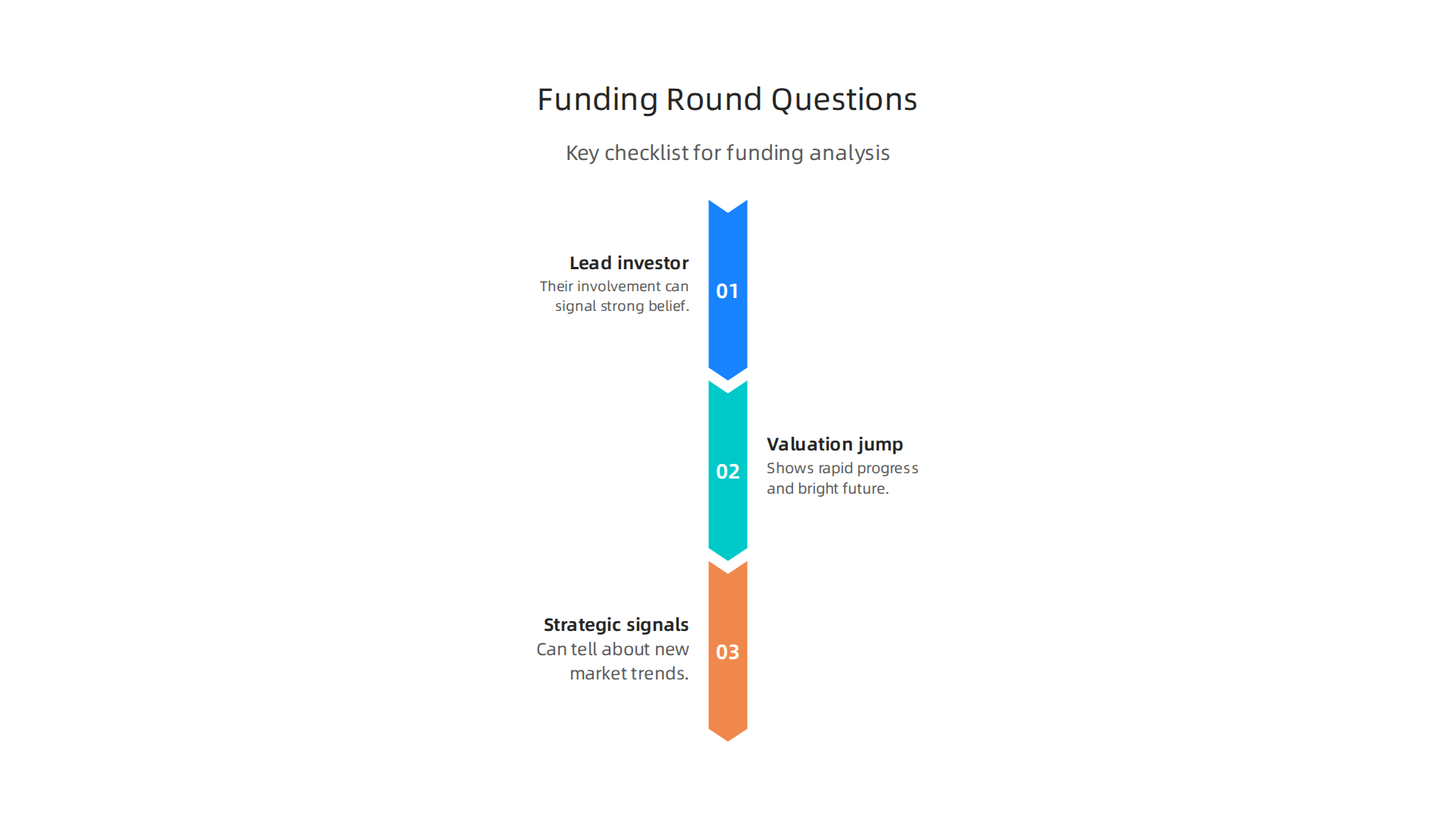
- Who is the lead investor? Big-name venture capital firms or well-known angels often bring more than just money. Their involvement can signal strong belief in a company, which can attract even more attention and talent.
- Was there a big jump in valuation? This means the company’s worth grew a lot from its last funding round. A significant jump shows that investors see rapid progress and a bright future.
- What strategic signals does it send? Sometimes, an investment can tell us about new market trends or important partnerships. For example, a large investment in a particular AI tool might signal that this type of technology is becoming very important across many businesses.
These signals help us understand patterns, whether it’s a small seed round or a huge late-stage deal. Seed funding often shows new ideas and teams gaining early support. These are the ventures that are just starting to prove their value. Later-stage funding, on the other hand, means companies are growing fast and might be getting ready for bigger steps, like selling to another company or going public.
In the first half of 2026, global startup investment reached a record $510 billion, showing just how active the market is, especially in AI. This is a big jump from previous years. Interestingly, the total exit value also hit a record $2.2 trillion in the first half of 2026, driven by some very large public offerings. This means many companies backed by venture capital are successfully moving onto their next big stage. You can learn more about the different kinds of investors and their roles in our guide on AI startup investors.
Watching these funding rounds helps you understand who’s getting ahead and why. It’s like tracking the pulse of innovation and growth. For anyone eager to keep up with the latest venture capital stories, paying attention to these individual deals provides crucial details not always seen in broader market reports.
Get Clear Daily AI Updates
If you’re looking to cut through the noise and get reliable insights into AI and venture capital, consider signing up for The AI Newsletter Worth Reading. It provides clear daily updates to help you stay informed without being overwhelmed.
The total exit value in the first half of 2026 was a record $2.2 trillion. This big number shows that many companies backed by venture capital are successfully finding their next big step. But what do these "exits" really mean for everyone involved? These events are crucial signals for Limited Partners (LPs), who invest in venture funds, and for founders building their businesses.
Exits happen when a venture-backed company is sold or goes public. These are key moments for investors to get their money back and for founders to see their hard work pay off. The main ways companies exit are:
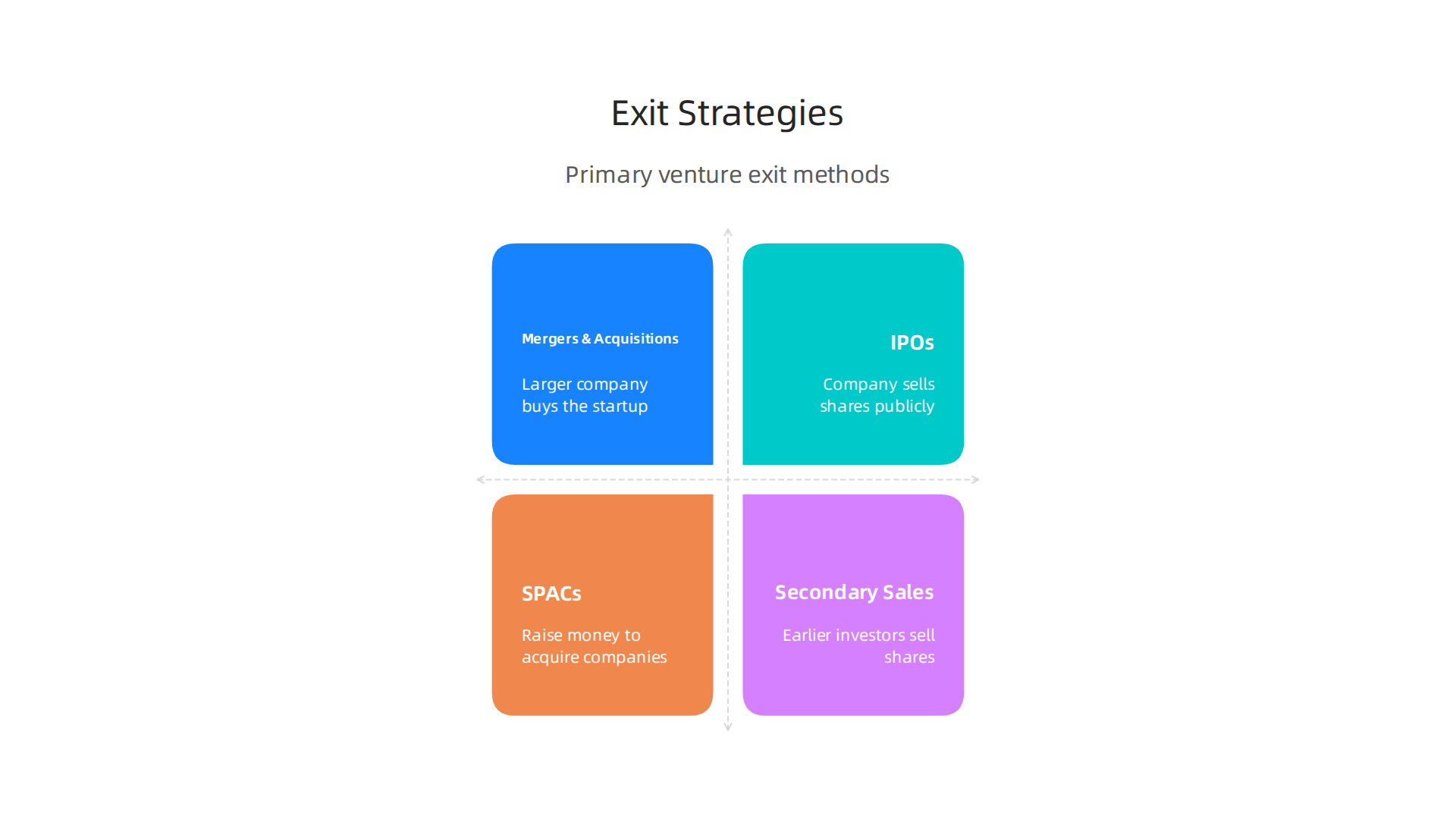
- Mergers & Acquisitions (M&A): A larger company buys the startup. This is often the most common way for a company to exit.
- Initial Public Offerings (IPOs): The company sells its shares to the public for the first time on a stock exchange. This allows anyone to buy a piece of the company.
- SPACs (Special Purpose Acquisition Companies): These are "blank check" companies that raise money to buy a private company, making it public without a traditional IPO.
- Secondary Sales: Earlier investors or employees sell their shares to other private investors. This lets them get some money out before a big exit event.
Looking at recent exit activity, the first quarter of 2026 saw a high amount of exit value, reaching $347.3 billion. This made 2026 already the second-highest year for exit value ever, even with just one quarter done Q1 2026 Venture Monitor. This surge in value was largely driven by a few very big IPOs, often called "mega-IPOs," which are public offerings that raise $1 billion or more VC/GE Newsletter August 2026. For example, a large IPO from a company like SpaceX greatly boosted the overall numbers in the second quarter of 2026, when global venture capital exit value jumped to about $1.9 trillion VC Benchmark Q2 2026.
However, while the value of exits was very high, the number of exits actually slowed down a bit. In the first half of 2026, the count of private equity and venture capital exits was down 6% compared to the first half of 2025 Pace of Private Equity Exits Slows. This means fewer companies are finding exit paths, but the ones that do are often very large deals.
What do these trends tell LPs and founders?
- For LPs: High exit values, even if driven by a few big deals, mean that their investments in venture capital funds can still bring big returns. This encourages them to keep putting money into new funds. They want to see consistent exit opportunities. Understanding how venture capital firms invest to build value is key for LPs, especially in areas like private equity in AI.
- For Founders: A strong exit market with high valuations can be good news. It means there’s a clear path for their company to grow and eventually provide a return to investors. However, a slowdown in the number of exits also means it might be harder for smaller or less mature companies to find a buyer or go public. This puts more pressure on founders to build truly standout companies. Getting smart about investment strategies is always helpful with an AI funding playbook.
Secondary markets also play a big role. These markets allow early investors or employees to sell their shares to others before a main exit event like an IPO. This "secondary liquidity" can help investors get cash sooner. It also affects how companies are valued, as private shares can be traded. If there’s a lot of activity in secondary markets, it can make fundraising easier, as new investors see more ways to get their money out. This is a crucial part of following the ongoing news venture capital.
Regulation, Policy, and How It Shapes VC Activity
While looking at market numbers like exit values helps us understand what’s happening, another big piece of the puzzle is how government rules and policies change how venture capital works. These rules can create new chances or bring new risks, especially when companies invest across different countries. Staying up to date on the latest news venture capital, including changes in laws, is super important for investors.

In 2026, we’ve seen some important updates in rules that affect how venture capitalists invest, especially in cross-border deals. For example, China put out new rules on outbound investment, called State Council Order No. 837, which became active on July 1, 2026. These rules make it harder for Chinese investors to send or use certain technologies, services, or data outside the country if they are banned or restricted by Chinese law China’s New ODI Regulation: What the 2026 State Council Rules Mean for Outbound Investment. This means venture funds need to be very careful about who they invest in and what kind of tech is involved, especially when dealing with critical minerals or other sensitive areas China’s New Outbound Investment Regulations: Implications for Critical Minerals Companies.
On the other hand, some countries are making it easier for foreign investors. India, for example, changed its venture capital laws in March 2026. These changes allow investors from countries that share a border with India to own a bit more of Indian companies, up to 10% without controlling the company Venture Capital Law India 2026. This move helps bring more money into India’s innovative companies and shows how different countries handle foreign venture capital. India’s market regulator also has a framework for Foreign Venture Capital Investors (FVCIs) to help with cross-border investments Foreign Venture Capital Investors.
Beyond cross-border deals, compliance is a big topic. Since January 1, 2026, SEC-registered investment advisors, including many venture capital firms, now have strict rules to follow regarding anti-money laundering (AML) programs VC Compliance Guide. This means funds must have plans to spot and stop illegal financial activities. Also, there are growing concerns about national security and investment risks, with government offices giving advice on how to avoid fake deals and sanctions National Security Regulation & Investment Risk. These changes mean that understanding how to decode venture capital meaning, including its funding stages and investor expectations, is more complex than ever.
All these policy changes affect how venture capital firms plan their investments. They have to think about legal risks, market access, and the overall political climate. For anyone keen on the daily happenings in the venture capital world, staying informed through reliable sources is key.
If you want to keep up with these important changes and other big news in venture capital, consider subscribing to The AI Newsletter Worth Reading.
After understanding the big rules and policies that shape venture capital, it is time to look closer at the companies themselves. For venture capitalists, finding the next big thing means keeping up with the news venture capital and spotting promising startups early. This section will talk about what makes a startup stand out and how these ideas help investors choose where to put their money.
When venture capital firms look for startups to watch, they check for a few key things:
- Real Progress (Traction): This means the startup is showing actual growth. Are customers using their product a lot? Are sales going up? For example, in 2026, we see many AI infrastructure startups getting big funding because they are building the important tools for artificial intelligence. Some of these companies, like Nscale, received billions in funding in early 2026 for building AI clouds and data centers AI Infrastructure Market Fundraising Deals (2026). This kind of strong customer interest and fast growth is a huge green light for investors.
- How They Make Money (Unit Economics): Venture capitalists want to see if a startup can make a good profit from each customer or product it sells. It is about proving that the business model works and can grow without losing too much money on each new sale. This shows the business is healthy and has a clear path to becoming very profitable.
- The People Behind the Idea (Team): A great idea needs a great team to make it happen. Investors look for founders and key team members who have experience, are passionate, and can lead the company through tough times. Strong leaders mean the company has a better chance of success.
- What Makes Them Special (Defensibility): Why is this startup hard to copy? Maybe they have a special technology, a strong brand, or a unique way of doing things that no one else can easily do. This makes the company safer for investment and helps it stay ahead of rivals.
These company-level signals are super important for venture capital firms when they make their portfolio decisions. They do not just look at one thing, but how all these parts fit together. If a startup shows great traction, has clear ways to make money, is led by an amazing team, and has something truly special, it becomes a top candidate for investment. This helps venture capital firms find companies that will grow into the biggest AI companies in 2026.
For instance, the AI infrastructure sector has attracted a lot of capital. Over 600 AI infrastructure startups received funding in 2026, showing where much of the venture capital is flowing 623 AI Infrastructure Startups (2026) — Recently Funded. Investors are keenly watching these areas, often following the AI infrastructure funding trends 2026 to spot the next big opportunity. Keeping up with these kinds of venture capital stories gives a good idea of what’s happening in the market. To learn more about how investors find promising companies, you can read about how to identify, evaluate, and track top AI companies.
After spotting promising startups based on their growth, team, and unique ideas, venture capitalists also look at the very foundation these companies build upon. This means focusing investments on the "enablers" of innovation: the infrastructure and service providers. These are the companies making the tools, systems, and platforms that other AI businesses need to grow.
Venture capital firms put money into three main areas here:
- Developer Tools: These are software programs that help other companies create and improve their AI. Think of them as the building blocks for new AI applications.
- Cloud Infrastructure: This includes things like big data centers and specialized computing power (like GPU clouds). These powerful systems are vital for running complex AI models.
- Specialized AI Platforms: These are tools built for very specific AI jobs, helping companies do things like process huge amounts of data or make AI models work faster.
These investments are not just about helping one company; they’re about building the entire ecosystem for AI. Actually, in 2026, some of the biggest tech companies plan to spend a lot of money on AI compute, data centers, and networking. This spending might reach almost $690 billion, showing just how important this backbone is for AI to keep growing AI Capex 2026: The $690B Infrastructure Sprint.
By watching where this infrastructure money goes, venture capitalists can see big shifts in how developers are building AI. If lots of investment flows into new kinds of developer tools or cloud services, it signals that these are the areas where many new AI projects will take off. This offers important insights into how fast new AI technologies are being adopted. For instance, while overall infrastructure software as a service (SaaS) investments saw a drop in value in late 2025, they are still a key area being shaped by more people using AI Infrastructure And SaaS VC Trends Being Shaped By AI …. This kind of news venture capital helps investors stay ahead.
Investors are also looking at very specific parts of infrastructure, like the companies creating new AI networking chips. These chips are important for how AI systems talk to each other, making them faster and more efficient AI Infrastructure Startup Funding 2025-2026 – New Market Pitch. Keeping up with these detailed venture capital stories helps investors understand the deeper currents of the market. To learn more about these foundational components, consider reading about understanding AI domains and platforms.
Staying informed about these investments in infrastructure is vital. It’s like knowing which roads are being built to figure out which towns will grow the fastest. For venture capital firms, this means closely tracking these trends to support the companies that are truly enabling the future of AI.
The AI landscape is always changing. To stay on top of the most important developments, you need a reliable source.
The AI Newsletter Worth Reading
The AI landscape is always changing. To stay on top of the most important developments, you need a reliable source. Knowing what’s happening now helps you plan for what comes next.
Short-term Forecasts and What to Do Next (quarterly playbooks)
Looking at 2026, venture capital continues to pour money into AI companies. This is a big trend. In the first half of 2026, a lot of money went into AI, especially through huge deals of $100 million or more. Actually, AI took up about 86% of all venture capital dollars in the first half of the year, with $412.7 billion deployed in megadeals alone Q2 2026 PitchBook-NVCA Venture Monitor. Even though there’s a lot of money, the number of deals is often smaller, meaning bigger checks go to fewer companies. This trend shows a strong focus on AI, which captured 65.4% of all deal value in 2025, reaching $320 billion across 15,352 deals in the U.S. NVCA Releases 2026 Yearbook: Charts a Venture Industry in ….
Alongside these funding patterns, big policy changes are also happening. For example, China put new rules in place for outbound investments starting July 1, 2026. These rules make it clear that companies can’t export or use certain technologies, services, or data that are restricted by Chinese law China Outbound Investment Regulations 2026. This impacts how some AI businesses operate globally. The US also has regulations about national security and investment risk, which can affect venture capital stories and deals National Security Regulation & Investment Risk. These kinds of rules are important for anyone involved in global venture capital.
So, what should you do with this news venture capital information?
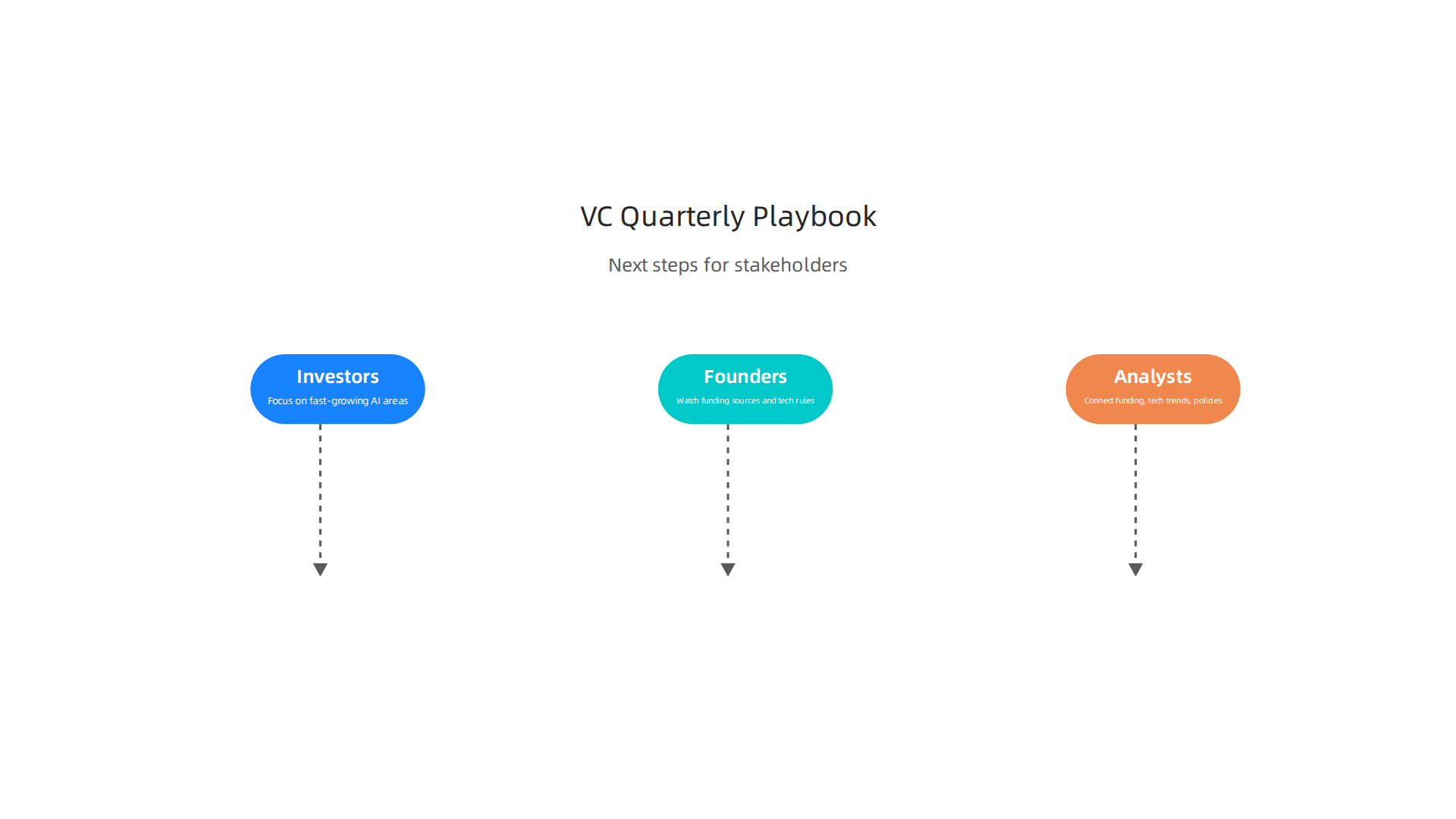
- For Investors: Think about focusing on AI areas that are still growing fast, even as larger amounts of money go into fewer deals. Understand the new rules for international investments, especially those from China and the US, to avoid problems. Staying on top of global private market trends helps you see where the next opportunities are Global Private Market Trends in 2026. To better navigate this, explore a complete AI funding playbook master 2026 investment strategies.
- For Founders: If you’re building an AI startup, be very aware of where your funding comes from and how your technology might be affected by trade rules. If you deal with international partners, make sure you understand the regulations for exporting technology. Also, look for those specific niches in AI that are attracting significant, but perhaps less visible, capital. Finding top private equity VC firms focused on AI 2026 can guide your search.
- For Analysts: Your job is to connect the dots between big funding numbers, specific technology trends, and government policies. When you see a major policy change, like China’s new investment rules, consider how it will shape different parts of the AI market. This helps provide clear advice for clients. You can always refer to a 2026 comprehensive AI guide for investors founders and analysts for more insights.
By keeping these short-term forecasts in mind, everyone in the AI ecosystem can make smarter choices.

Understanding these trends helps you not just react to the market, but to also help shape it.
Summary
This guide breaks down the key venture capital developments shaping 2026, with a strong focus on how AI is concentrating capital into fewer, larger deals and pushing valuations higher. It explains macro trends (capital flows, sector rotation, and valuation movement), how to read individual funding rounds for meaningful signals, and why record exit values can coexist with fewer exit events. The article also covers regulation and policy changes that affect cross-border investing and compliance, including notable shifts from major markets. You’ll learn the company-level signals investors use—traction, unit economics, team, and defensibility—and why enablers like developer tools, cloud infrastructure, and specialized AI platforms attract funding. Practical short-term guidance outlines what investors, founders, and analysts should do next to capitalize on opportunities and manage risk. Overall, the guide helps you cut through daily VC noise so you can make smarter, timely decisions in the fast-moving AI investment landscape.